
Advice
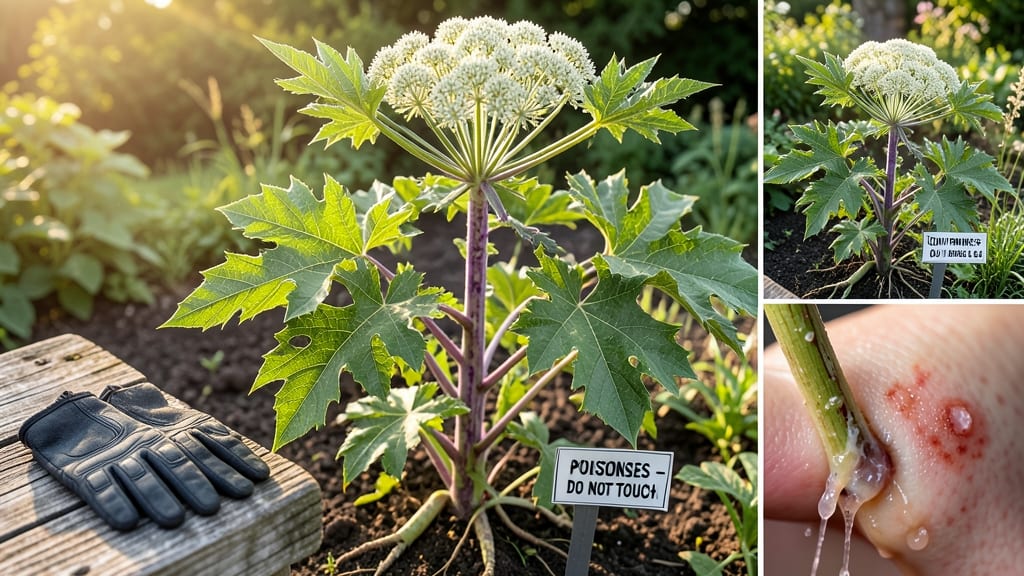
Yes, hogweed is poisonous because its sap contains toxic chemicals that cause painful skin reactions when exposed to sunlight. Giant hogweed, in particular, triggers phytophotodermatitis—a severe burn requiring immediate medical attention. Always avoid direct contact and wear protective gear during removal.
Hogweed's danger comes from its phototoxic sap, which contains compounds called furanocoumarins.
When this sap touches skin and is exposed to UV light, it creates a chemical reaction that damages cells, leading to blisters and long-lasting scars. 🔥 Giant hogweed's stems can reach heights of 14 feet, making it especially risky in gardens or wild areas where accidental brushes happen.
Even touching the plant and then handling food or pets can transfer the sap's harmful effects.
If you suspect exposure, wash the affected area immediately with soap and water, then avoid sunlight for at least 48 hours. Medical treatment may include steroid creams or pain relief for severe reactions.
The good news? Hogweed's effects are preventable with proper precautions—like wearing long sleeves, gloves, and using tools to remove it without direct contact.
💡 In This Article
- How Hogweed Sap Triggers Skin Reactions
- Safe Removal and Handling Tips for Hogweed
How hogweed sap triggers skin reactions
The danger begins when hogweed sap—packed with furanocoumarins like psoralen—contacts skin. These compounds are naturally phototoxic, meaning they become harmful only when exposed to UV light (UVA/UVB rays).
Within minutes of sunlight exposure, the furanocoumarins bind to DNA in skin cells, disrupting their normal function and triggering an inflammatory response. This process is called phytophotodermatitis, and it's why giant hogweed causes reactions even hours after initial contact.
Giant hogweed's sap contains 10-100 times more furanocoumarins than common hogweed varieties, making it far more dangerous. The reaction typically starts with redness and itching within 12-48 hours, then progresses to blisters and oozing lesions by 48-72 hours.
Severe cases can leave permanent scars or cause hyperpigmentation that lasts months. The sap's effects aren't limited to skin—it can also irritate eyes and mucous membranes if splashed.
What makes this reaction unique is its delayed onset. Unlike chemical burns that cause immediate pain, phytophotodermatitis develops gradually, often catching people off guard. For example, someone might touch hogweed while gardening, then develop blisters only after spending time outdoors later that day.
The severity depends on factors like UV intensity, duration of exposure, and individual skin sensitivity. Areas with fair skin or minimal melanin are particularly vulnerable.
Medical treatment focuses on managing symptoms rather than reversing the reaction. Dermatologists often prescribe topical steroids to reduce inflammation, along with oral antihistamines for itching. In severe cases, blister care and infection prevention become critical.
The key to avoiding complications is immediate washing with soap and water and avoiding sunlight for at least 48 hours after exposure. Even then, some reactions may persist for weeks.
Here's what the science shows about the reaction timeline:
- 0-12 hours: Mild redness and warmth (often mistaken for a sunburn)
- 12-48 hours: Blister formation and intense itching (peak reaction phase)
- 48-72 hours: Blister rupture and potential scabbing (highest risk for infection)
- 1 week+: Scarring or hyperpigmentation in severe cases
The good news is that hogweed's effects are preventable with proper precautions. Understanding the chemical process behind phytophotodermatitis helps explain why this plant demands respect—not just fear. The reaction isn't contagious, but its delayed nature makes it particularly insidious. 💫