
Pruning
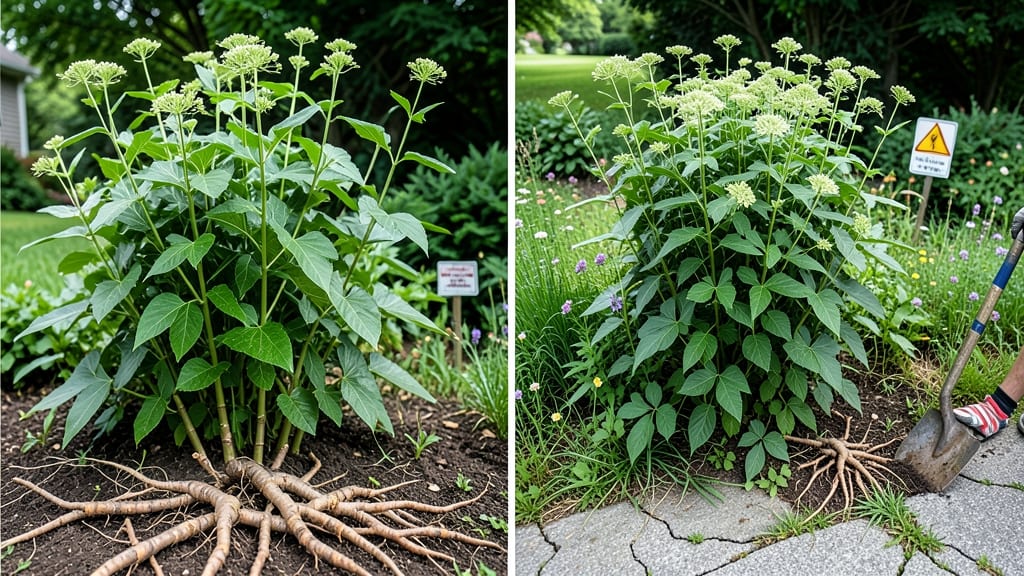
Japanese knotweed is harmful because it spreads aggressively, damages foundations, drains soil nutrients, and is illegal to plant or dispose of improperly in many regions, including the UK and parts of the U.S.
Japanese knotweed earns its reputation as an ecological menace thanks to its rhizome network, which can spread up to 23 feet per year and survive deep underground for decades.
This relentless growth cracks concrete, weakens building foundations, and outcompetes native plants, creating ecological deserts. 🔥 In the UK alone, property values can drop by 10% or more if knotweed is found on-site, making it a homeowner's nightmare on multiple fronts.
Beyond property damage, the legal risks add another layer of complexity. Many regions classify it as a noxious weed, meaning improper handling can result in hefty fines or even criminal charges.
I’ve seen cases where homeowners faced $10,000+ in removal costs just to comply with local regulations—proof that this plant’s harm extends far beyond its physical impact.
💡 In This Article
- How Japanese Knotweed Destroys Property and Ecosystems
- Legal Consequences and Removal Solutions for Japanese Knotweed
How japanese knotweed destroys property and ecosystems
Japanese knotweed's destruction begins with its underground rhizome system—thick, woody stems that can grow 23 feet per year and penetrate concrete up to 7 feet deep. These rhizomes store energy for decades, allowing regrowth even after cutting.
The plant's rapid expansion exerts 600 pounds of pressure per square foot on surrounding structures, cracking driveways, lifting paving stones, and compromising foundation integrity over time.
The ecological damage is equally severe. Japanese knotweed forms dense monocultures that block sunlight, smothering native plants and reducing biodiversity. Studies show it can reduce soil organic matter by up to 40% while increasing soil erosion rates by 300% due to its shallow root system destabilizing topsoil.
The plant's high biomass production also alters water cycles, creating dry microclimates that further stress local ecosystems.
Property owners face financial ruin when knotweed invades their land. The plant's presence can trigger mortgage lender requirements for professional removal before property sales, adding $15,000-$30,000 to transaction costs.
Insurance policies often exclude coverage for knotweed-related damage, leaving homeowners bearing full responsibility for repairs that can exceed $50,000 for severe infestations.
What makes knotweed particularly dangerous is its classification as a Schedule 9 noxious weed in the UK and a prohibited species in many U.S. states. This legal designation means even accidental transport of plant fragments can result in £5,000+ fines or criminal prosecution.
The plant's ability to regenerate from tiny rhizome fragments—just 2 inches long—makes containment nearly impossible without professional intervention.
Ecologically, knotweed's impact extends to wildlife habitats. Bird species that rely on native plant communities for nesting and food sources see 30-50% declines in population when knotweed dominates an area. The plant's lack of nutritional value for herbivores also disrupts food chains, creating cascading effects throughout local ecosystems.
Understanding these mechanisms reveals why knotweed requires immediate, professional treatment. The plant doesn't just grow—it systematically dismantles both human infrastructure and natural habitats with equal efficiency. 💥
For homeowners, the key takeaway is that knotweed isn't just a garden nuisance—it's a full-scale ecological and financial crisis waiting to happen. Prevention through early detection and professional management remains the only viable defense against this invasive powerhouse.