
Advice
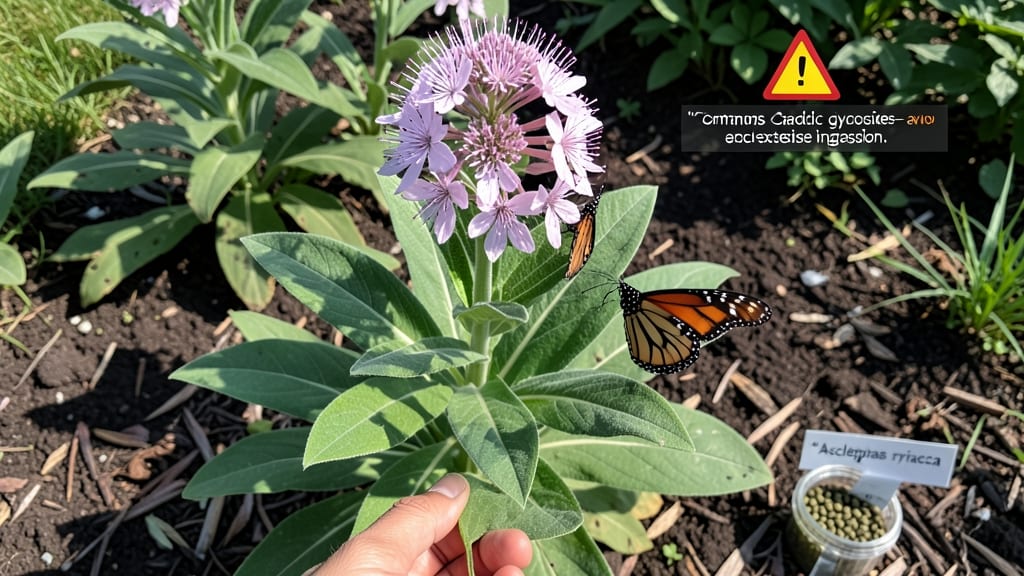
Milkweed is poisonous to humans when ingested, containing cardiac glycosides like ouabain that can cause nausea, vomiting, and irregular heartbeats. Touching it may irritate skin, but direct ingestion is dangerous—especially seeds, which are highly toxic if consumed raw or in large amounts.
Milkweed's toxicity comes from its natural chemical defenses, which include compounds like ouabain and uscharidin.
These cardiac glycosides interfere with your body's cell function, particularly in your heart, leading to symptoms like dizziness or even cardiac issues in severe cases. 🌿 While touching milkweed might cause mild skin irritation, swallowing even small amounts—especially the seeds—can be life-threatening.
Children and pets are particularly vulnerable due to their smaller size and curiosity.
If you're growing milkweed for monarch butterflies, always wear gloves when handling it and wash your hands thoroughly afterward. Never consume any part of the plant, and dispose of cuttings carefully to avoid accidental ingestion by animals.
The beauty of milkweed lies in its ecological benefits, but respecting its toxicity ensures safety for everyone.
💡 In This Article
- Toxic Compounds in Milkweed and Their Effects on Humans
- Safe Handling and Gardening Precautions for Milkweed
Toxic compounds in milkweed and their effects on humans
The toxicity of milkweed stems from its production of cardiac glycosides, a class of compounds that act like natural poisons. The two most potent in milkweed are ouabain (found in the sap and leaves) and uscharidin (concentrated in the seeds).
These chemicals interfere with the sodium-potassium pumps in your cells, which are essential for maintaining proper heart rhythm and nerve function. When ingested, they cause your heart to beat irregularly by disrupting the electrical signals that control contractions. 🔥
Symptoms of milkweed poisoning typically appear within 30 minutes to 2 hours after ingestion and include severe nausea, vomiting, diarrhea, abdominal pain, and dizziness. In more serious cases, cardiac arrhythmias (irregular heartbeats) or even cardiac arrest can occur, particularly in children or individuals who consume large amounts.
The seeds are especially dangerous because they contain the highest concentration of these toxins—just 10-15 seeds can be lethal to a small child, while an adult might experience symptoms after consuming 20-30 seeds.
What makes milkweed's toxicity particularly insidious is how it affects different body systems. The cardiac glycosides don't just target the heart—they also disrupt the gastrointestinal tract, leading to intense cramping and dehydration.
The sap can cause skin irritation or allergic reactions in sensitive individuals, but the real danger lies in accidental ingestion. Children are at higher risk because they're naturally curious and may mistake milkweed pods for interesting toys or snacks.
Pets, especially dogs, are also vulnerable if they chew on milkweed stems or pods while exploring outdoors. 🐶
The severity of symptoms depends on several factors, including the amount ingested, the individual's size and health, and whether the toxins were consumed raw or cooked. Interestingly, some indigenous cultures have historically used milkweed fibers for textiles, but only after extensive processing to remove toxic compounds.
Even then, prolonged exposure could still pose risks. The key takeaway is that while milkweed plays a crucial ecological role as a host plant for monarch butterflies, its chemical defenses make it a serious health hazard when ingested.
For those who handle milkweed regularly—like gardeners or researchers—understanding these compounds helps explain why proper precautions are essential. The cardiac glycosides don't break down easily in the environment, which is why milkweed plants are often found in areas where other plants struggle to grow.
Their toxicity is a survival mechanism, but for humans, it's a reminder to admire milkweed from a safe distance and never consume any part of the plant. The beauty of its pink flowers and ecological importance shouldn't overshadow the very real dangers it poses when mishandled. ✨
If you suspect someone has ingested milkweed, seek immediate medical attention. Symptoms can escalate quickly, and treatment may involve activated charcoal to absorb the toxins or medications to stabilize heart function. Prevention through education and proper handling is always the best approach when dealing with this fascinating yet hazardous plant.