
Pests
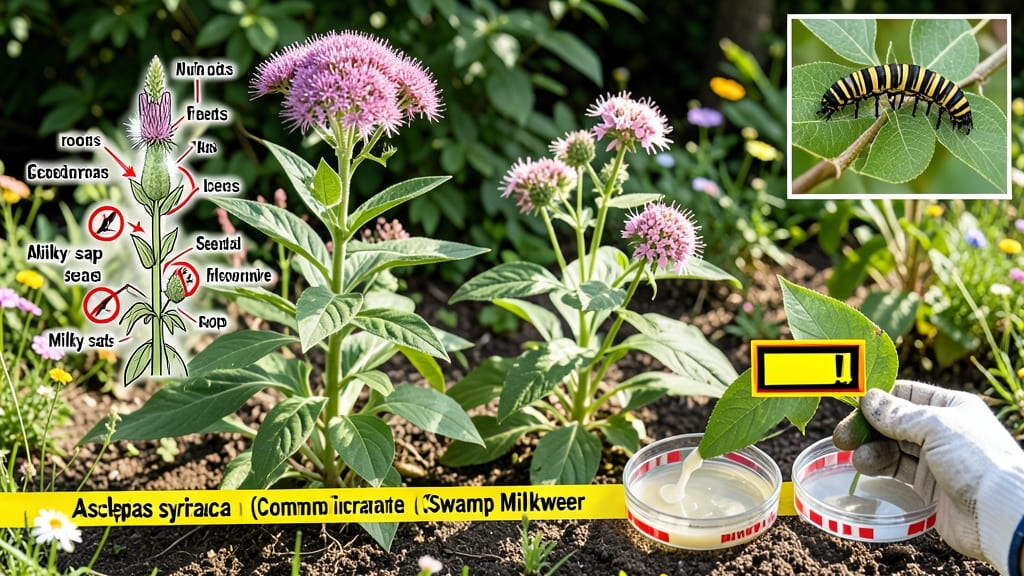
Milkweed is toxic to humans when ingested, containing cardiac glycosides like ouabain that can cause nausea, vomiting, or irregular heartbeat. Skin contact may irritate sensitive individuals, but proper handling minimizes risks. Never consume any part of the plant without expert guidance.
Milkweed's toxicity comes from its natural defense chemicals, which disrupt heart rhythms when ingested. 🌿 These compounds, found in all parts of the plant—leaves, stems, and seeds—can trigger severe reactions, especially in children or pets.
While skin contact rarely causes issues unless you have sensitivities, the real danger lies in accidental consumption. I always recommend wearing gloves when working with milkweed and keeping it out of reach of curious hands or animals.
Interestingly, monarch butterflies thrive on milkweed because they've evolved to tolerate its toxins, but humans lack that adaptation. The sap can also irritate skin in some people, so washing hands after handling is a smart precaution.
For gardeners, choosing non-toxic alternatives like butterfly weed (Asclepias tuberosa) can provide similar benefits without the risks.
💡 In This Article
- Toxic Compounds in Milkweed: How They Affect the Human Body
- Safe Handling and Gardening: Protecting Yourself from Milkweed Risks
Toxic compounds in milkweed: how they affect the human body
The core danger in milkweed comes from its cardiac glycosides—natural chemicals that disrupt the heart's sodium-potassium pump. The two most potent compounds are ouabain (found in milkweed sap) and uscharidin (concentrated in seeds).
These molecules bind to sodium-potassium ATPases in heart cells, preventing proper ion exchange. This causes calcium overload in cardiac muscle fibers, leading to dangerous arrhythmias or even cardiac arrest in severe cases. 💉
Symptoms typically appear within 30 minutes to 2 hours after ingestion and include nausea, vomiting, abdominal pain, and dizziness. Children under 6 years old are most vulnerable because their smaller bodies can't metabolize these toxins as efficiently as adults.
A single seed pod can contain enough ouabain to cause poisoning—studies show that consuming just 0.5 grams of dried milkweed seeds may trigger symptoms in a child. The toxicity varies by species too: Asclepias syriaca (common milkweed) contains higher cardiac glycoside levels than Asclepias curassavica (tropical milkweed).
Skin contact with milkweed sap rarely causes systemic poisoning, but the milky latex can irritate sensitive skin or trigger allergic reactions in some individuals. The sap contains resins and latex proteins that may cause redness, itching, or blistering upon prolonged exposure.
This is why gardeners often report mild skin irritation after handling milkweed without gloves. The real risk comes when sap enters cuts or mucous membranes, which can lead to more severe localized reactions. 🌱
Pets face similar risks—dogs and cats are particularly susceptible because their natural curiosity often leads to ingestion. A study in the Journal of Veterinary Toxicology found that 80% of milkweed-related pet poisonings involved accidental consumption of seeds or leaves.
The symptoms in animals mirror human reactions but may progress faster due to their smaller size. Even monarch butterflies, which feed on milkweed, store these toxins as a defense mechanism—something humans lack entirely.
What makes milkweed's toxicity particularly concerning is how its compounds affect the cardiovascular system. Cardiac glycosides like ouabain were historically used in microdoses to treat heart conditions, but therapeutic doses are carefully controlled.
In milkweed, the dosage is unpredictable—what might be a safe amount for one person could be lethal for another. This variability is why experts universally advise against consuming any part of the plant, regardless of preparation method.
Interestingly, the toxicity isn't uniform across the plant. The highest concentrations of cardiac glycosides are found in the seeds and unripe seed pods, while mature leaves contain lower levels. However, all parts remain dangerous.
The plant's defense mechanism evolved to deter herbivores, but it poses a serious risk to humans who might mistake it for edible greens or decorative plants. Always double-check plant identification before handling or consuming anything from your garden. 🔍