
Aphids
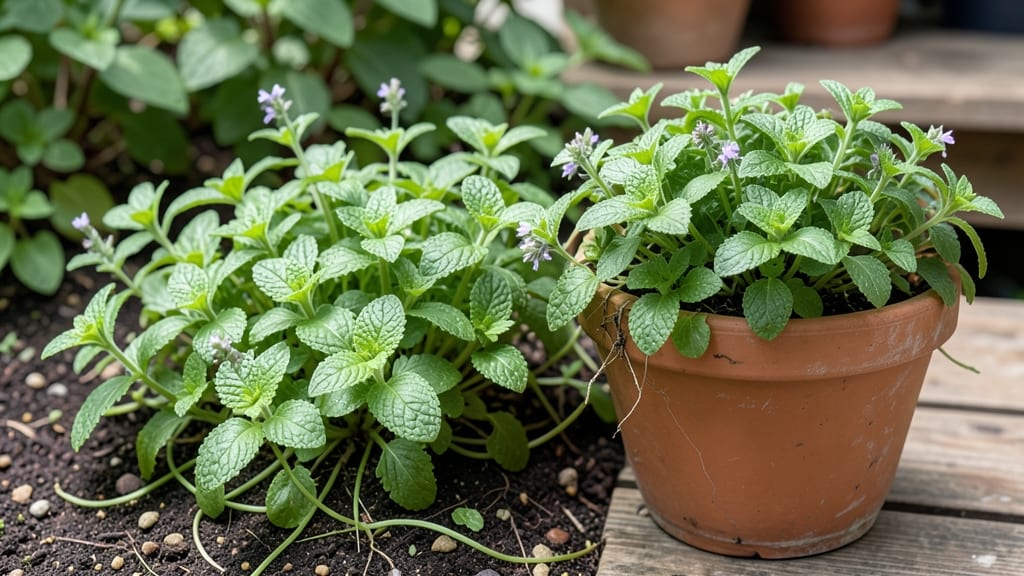
Mint isn't a weed but a cultivated perennial herb valued for its flavor, fragrance, and health benefits—its rapid growth and spreading roots, however, often lead gardeners to treat it like one.
Mint belongs to the Mentha genus, which botanists classify as a beneficial herb rather than a weed. 🌿 Unlike true weeds that thrive without human care, mint has been cultivated for centuries for teas, cooking, and even medicinal uses like soothing digestion.
The confusion stems from its tenacious growth habit—once planted, mint's underground runners can spread aggressively, crowding out other plants if left unchecked.
Gardeners often face this dilemma: mint's usefulness clashes with its invasive tendencies. The key to managing it lies in containment—growing it in pots or using root barriers can prevent it from taking over your garden while still letting you enjoy its fresh leaves.
Harvesting regularly also discourages excessive growth, ensuring you get the benefits without the chaos.
💡 In This Article
- Botanical Classification: Why Mint Isn’t a Weed
- Controlling Mint’s Invasive Growth in Gardens
Botanical classification: why mint isn’t a weed
Mint belongs to the Mentha genus, which botanists categorize as a perennial herb rather than a weed.
The key distinction lies in its cultivation history—mint has been domesticated for over 2,000 years, prized in ancient Egyptian, Greek, and Roman cultures for medicine, culinary uses, and even as a natural breath freshener.
Unlike weeds, which typically lack economic or cultural value, mint's leaves contain menthol (up to 40% of its oil content), giving it its signature cooling sensation and medicinal properties.
The confusion arises from mint's rhizomatous root system, which spreads horizontally underground, sending up new shoots every 10-15 centimeters.
This growth pattern mirrors invasive weeds like creeping charlie, but the difference is intent: weeds spread uncontrollably in disturbed soils, while mint's spread is a botanical adaptation to thrive in moist, well-drained conditions—exactly what gardeners provide when they plant it. 🌱 What makes mint "behave" like a weed is its aggressive colonization, which occurs when gardeners allow it to grow unchecked in open garden beds.
Ecologically, mint plays a positive role unlike most weeds. Its lavender-purple flowers bloom from summer to fall, attracting bees and butterflies—making it a pollinator magnet. Studies show mint can increase pollinator activity by up to 30% in garden plots compared to non-flowering herbs.
This dual nature—useful herb and potential garden nuisance—explains why it's often misclassified. The botanical definition of a weed is a plant growing where it's not wanted, not its growth habit alone.
Historically, mint's classification shifted with human needs. In the 19th century, it was widely cultivated in European kitchen gardens for culinary and medicinal purposes, but its spread led to it being labeled a "nuisance" in formal gardens.
Today, botanists classify mint based on its genetic and economic value, not its growth pattern. The USDA Plant Database even lists common mint (Mentha spicata) as a "desirable garden plant" despite its invasive tendencies.
What truly separates mint from weeds is its controlled cultivation. Gardeners who grow mint in containers or raised beds prevent its spread entirely, proving its classification hinges on human management—not inherent botanical traits.
The International Code of Nomenclature for algae, fungi, and plants (ICN) explicitly excludes cultivated plants like mint from weed classifications unless they're growing wild outside cultivation.
Consider this: dandelions (Taraxacum officinale) are classified as weeds, yet their flowers feed bees and their roots are edible. Mint, however, offers direct human benefits through its leaves, oils, and flowers—making its classification as an herb far more accurate than as a weed.
The real issue isn't botanical but practical: gardeners must actively manage mint's growth to enjoy its benefits without the chaos. 💫