
Advice
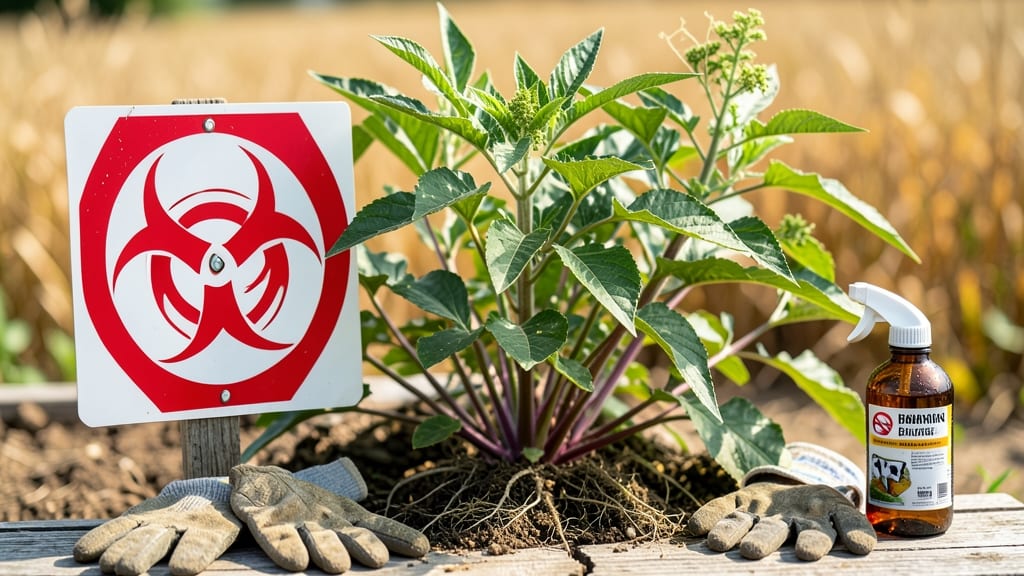
Yes, pigweed is poisonous to humans and pets, containing oxalates and saponins that can cause skin irritation, digestive upset, or allergic reactions when ingested or handled improperly. Always wear gloves when removing it from gardens or landscapes.
Pigweed's toxicity comes from its chemical composition, which includes oxalic acid and saponins—compounds that disrupt cellular function in humans and animals. 🔥 The severity of reactions varies, with some people experiencing only mild skin irritation while others face more serious digestive issues like vomiting or diarrhea.
Unlike some garden weeds, pigweed doesn't just cause discomfort; prolonged exposure can lead to more severe allergic reactions, especially in sensitive individuals or pets. This is why gardeners should treat it with caution, using protective gear and proper disposal methods to prevent accidental ingestion or contamination of other plants.
What makes pigweed particularly dangerous is its resilience and rapid growth. Once established, it can spread quickly, making it a persistent problem in gardens and landscapes. The roots are deep-seated, so simply pulling it out often leads to regrowth unless you address the entire root system.
For those dealing with infestations, I recommend using a combination of gloves, long sleeves, and sealed disposal bags to minimize exposure. If you're unsure about handling it safely, consider consulting a local agricultural extension office for removal advice tailored to your region.
💡 In This Article
- Toxic Compounds in Pigweed: Oxalates, Saponins, and Health Risks
- Safe Removal and Disposal Methods for Pigweed in Gardens
Toxic compounds in pigweed: oxalates, saponins, and health risks
Pigweed's toxicity stems primarily from two key compounds: oxalic acid and saponins. Oxalic acid, found in concentrations of 0.5-1.5% of the plant's dry weight, binds with calcium in the body to form needle-like crystals that irritate tissues.
This is why handling pigweed can cause painful skin reactions, including rashes or blisters, especially on broken skin. The saponins, meanwhile, act as natural detergents that disrupt cell membranes, leading to gastrointestinal distress when ingested.
The severity of reactions depends on exposure levels and individual sensitivity. For example, a 100-gram ingestion of fresh pigweed could trigger symptoms like nausea, vomiting, or diarrhea within 30-60 minutes in humans.
Pets are even more vulnerable—dogs and cats often experience more severe reactions due to their lower body weight and different metabolic processing. Some pigweed varieties, like carpenterweed (Polygonum arifolium), contain higher oxalate levels than others, making them particularly hazardous.
Beyond these compounds, pigweed also contains nitrates in varying amounts, which can convert to nitrites in the body and interfere with oxygen transport in red blood cells. This is especially concerning for livestock grazing on contaminated pastures.
The combined effects of these chemicals make pigweed a multi-faceted threat, requiring careful handling to avoid accidental poisoning. Even indirect exposure—like touching contaminated soil and then eating without washing—can lead to reactions in sensitive individuals.
What's particularly alarming is how these toxins interact with the body. Oxalates, for instance, don't just cause immediate irritation—they can accumulate in tissues over time, potentially leading to kidney stones in chronic cases.
Saponins, while less studied in humans, have been shown in animal studies to cause liver and spleen damage at higher doses. This dual threat means pigweed shouldn't be dismissed as just another garden nuisance; it demands respect and proper handling protocols.
Interestingly, some pigweed species have been used in traditional medicine, but only in highly controlled, purified forms. For example, Amaranthus species (a relative) have been studied for their potential antioxidant properties—but these benefits come from specific processing methods that remove the toxic compounds.
This highlights the fine line between beneficial and harmful plant properties, emphasizing why wild pigweed should never be consumed without expert guidance.
For gardeners, the risk extends beyond direct contact. Pigweed's deep root system means that even dead plants left in the soil can regrow, maintaining their toxicity. The plant's rapid spread also increases the chance of accidental ingestion by pets or children.
Understanding these mechanisms helps explain why pigweed removal requires more than just a quick pull—it's about breaking the plant's life cycle while minimizing exposure risks.