
Pests and Diseases
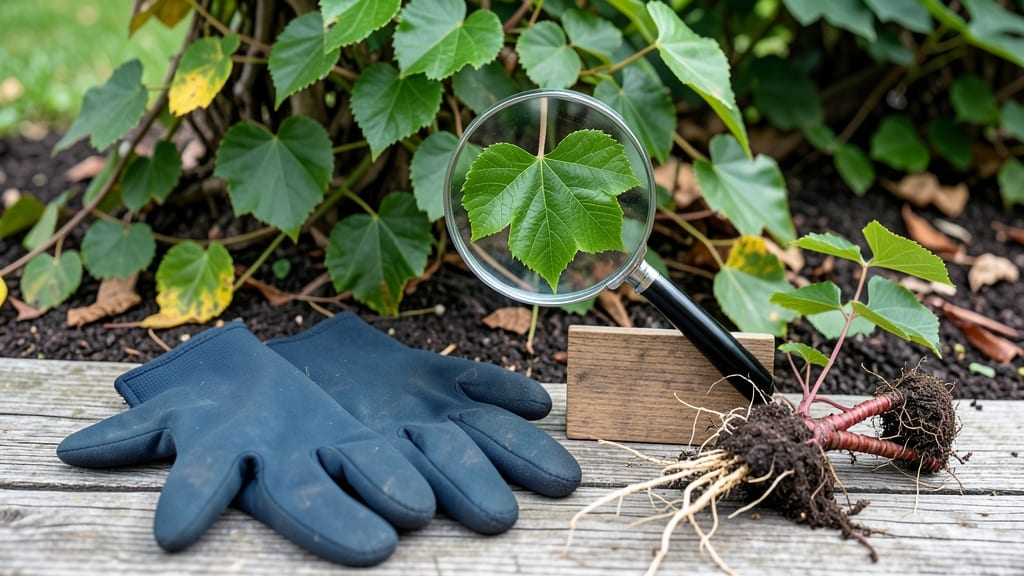
Poison ivy isn't classified as a weed—it's a toxic vine or shrub from the cashew family that spreads aggressively, though its woody structure and toxic oils set it apart from true weeds botanically.
Poison ivy's confusion with weeds comes from its rapid spread and unwanted presence, but its biological traits tell a different story. 🌿 As a perennial plant with woody stems, it's actually more closely related to trees than to annual weeds like crabgrass.
The real giveaway is its toxic oil (urushiol), which true weeds lack—this chemical defense makes it a noxious invasive rather than a simple nuisance plant.
What makes this distinction important is how you should handle it. Unlike weeds that you can simply pull or smother with mulch, poison ivy requires protective gear and targeted removal methods.
Many gardeners mistakenly treat it like a weed, only to find it regrowing from roots or spreading through root fragments. The key difference? True weeds are non-woody and don't contain toxic compounds that require specialized handling.
💡 In This Article
- Botanical Classification: Why Poison Ivy Isn’t a Weed
- How to Manage Poison Ivy Like an Invasive Plant
Botanical classification: why poison ivy isn’t a weed
The confusion stems from poison ivy's rapid, aggressive growth and its tendency to pop up where it's unwanted—just like weeds. But botanically, it belongs to the Anacardiaceae family, which includes cashews and mangoes, not the typical weed families like Asteraceae (dandelions) or Poaceae (crabgrass).
This woody vine or shrub can grow up to 50 feet long and lives for decades, unlike annual weeds that complete their life cycle in one season.
What truly sets poison ivy apart is its woody structure and toxic resin. True weeds are generally non-woody plants that reproduce quickly through seeds or runners, while poison ivy develops thick, persistent stems that can regenerate from roots or even small stem fragments.
The plant's urushiol oil, which causes severe allergic reactions, is another key difference—no true weed contains such potent irritants. 🌿 This chemical defense system is more typical of trees or shrubs than weeds.
The scientific distinction matters because it affects how we classify and manage these plants. Weeds are typically defined as plants growing where they're not wanted, without considering their ecological impact or toxicity.
Poison ivy, however, is classified as a noxious invasive species in many regions due to its ability to outcompete native plants and its health risks. This classification requires different control measures than those used for common garden weeds.
Consider the growth habits: poison ivy spreads through both seeds and vegetative reproduction (root sprouts), while most weeds rely primarily on seeds. The vine's ability to climb trees and cover large areas quickly makes it more like a shrub than a weed.
Even its leaves—compound with three glossy leaflets—are more complex than the simple leaves of typical weeds. These botanical features explain why it's often mistaken for a weed despite its fundamental differences.
Another critical factor is its ecological role. True weeds often play neutral or even beneficial roles in ecosystems, while poison ivy can dominate landscapes, displacing native vegetation. This invasive behavior is more similar to aggressive shrubs than to the opportunistic growth patterns of weeds.
Understanding these distinctions helps gardeners and land managers choose appropriate control strategies that actually work.
The bottom line is that poison ivy's weed-like appearance masks its true botanical nature. Its woody structure, toxic compounds, and invasive growth habits place it firmly in the shrub category rather than the weed classification.
This scientific perspective is why specialized removal methods are needed—unlike weeds, poison ivy won't simply disappear with a quick pull or mulch application. ✨