
Diseases
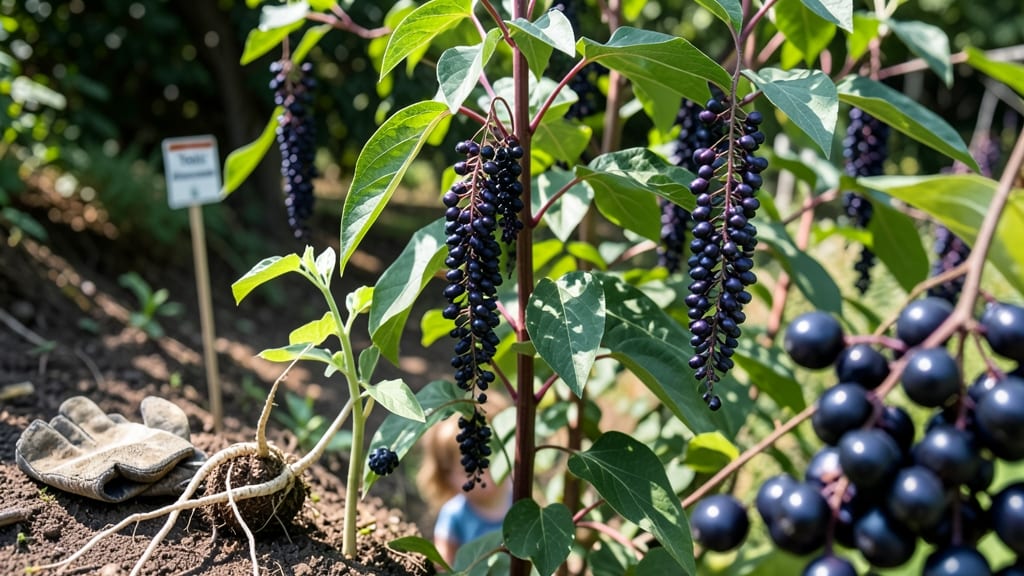
Pokeweed is dangerous because all parts contain toxic compounds like lectins and alkaloids, which can cause severe nausea, vomiting, and even organ damage if ingested. Skin contact may also trigger irritation or allergic reactions, making proper handling essential for gardeners and foragers.
Every part of the pokeweed plant—roots, stems, leaves, and berries—packs serious risks.
The lectins disrupt digestion, while alkaloids can mess with your nervous system, leading to symptoms like dizziness or muscle weakness. 🌿 Even the berries, which look tempting, are highly toxic, especially to kids or pets who might mistake them for grapes.
I’ve seen cases where accidental ingestion led to hospitalization, so never assume it’s safe to touch or taste.
If you’re dealing with pokeweed in your garden, wear thick gloves and long sleeves when removing it. Seal the plants in heavy-duty trash bags before disposal—never compost them. And if you’re curious about traditional uses (like dye-making), always research non-toxic alternatives or work with certified experts who understand the risks.
💡 In This Article
- Toxic Compounds in Pokeweed: What Makes It Hazardous
- Safe Handling and Removal of Pokeweed in Gardens
Toxic compounds in pokeweed: what makes it hazardous
The real danger in pokeweed comes from two powerful chemical families: lectins and alkaloids. The most notorious lectin, called pokeweed mitogen (PWM), triggers severe gastrointestinal distress by binding to intestinal cells.
Just 0.5 ounces of raw berries can cause vomiting within hours, while larger amounts may lead to diarrhea, abdominal cramps, and dehydration. 💀 The alkaloids, particularly pokeweedine, act as neurotoxins, disrupting nerve signals and potentially causing muscle weakness or even respiratory failure in extreme cases.
Toxicity varies dramatically across plant parts—berries contain the highest concentration of lectins (about 0.2-0.5% of their weight), making them especially dangerous, while leaves and stems have lower but still significant levels. Roots, though less commonly ingested, contain pokeweedine at concentrations that can cause kidney damage with prolonged exposure.
The plant's purple berries, which resemble grapes, are particularly deceptive and have been responsible for numerous accidental poisonings in children and pets.
What makes pokeweed uniquely hazardous is how its toxins work together. The lectins create immediate digestive chaos, while the alkaloids may cause delayed neurological symptoms like dizziness or confusion.
In rare cases, ingestion has led to hemolytic anemia (red blood cell destruction) or even death, particularly in young children whose smaller bodies can't metabolize the toxins efficiently. Even skin contact can trigger allergic reactions, with some people developing rashes or blisters after handling the plant.
Interestingly, some Native American tribes historically used pokeweed medicinally—but only after extensive preparation to neutralize toxins. Traditional methods included fermenting or boiling the plant for days or weeks to break down lectins.
However, these processes are complex and rarely replicated safely outside controlled settings. Modern science confirms that no amount of cooking fully eliminates the risks, making pokeweed fundamentally unsafe for home use.
Comparing pokeweed to other toxic plants helps put its danger into perspective. While nightshade plants (like deadly nightshade) contain deadly alkaloids, pokeweed's combination of lectins and alkaloids creates a dual threat that affects multiple body systems simultaneously.
Even castor beans, which contain ricin, don't combine digestive and neurological toxins in the same way. This dual-action mechanism is what makes pokeweed particularly insidious in both accidental and intentional poisonings.
If you're a gardener who's encountered pokeweed, remember that even small amounts can be dangerous. The plant's ability to thrive in disturbed soils means it often appears in gardens, where its purple berries can easily be mistaken for edible fruits.
Always treat it with extreme caution—never touch it without protection, and never assume it's safe to consume in any form. 🚨