
Advice
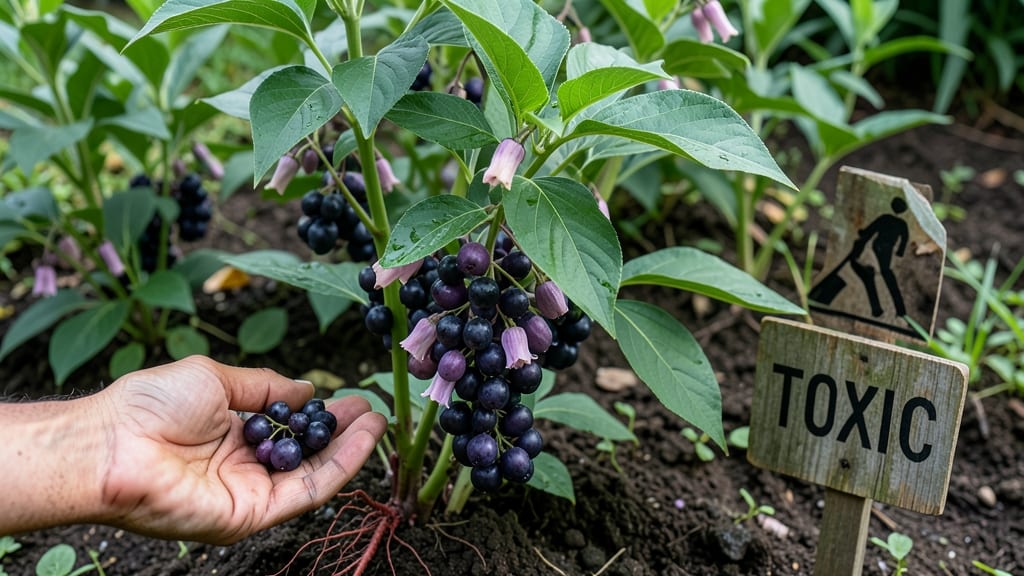
Yes, pokeweed is poisonous to humans, containing toxins like phytolaccatoxin and saponins that cause severe vomiting, diarrhea, and skin irritation upon ingestion or contact. All parts of the plant are toxic, especially raw berries and leaves.
Pokeweed's toxicity comes from its chemical arsenal, including phytolaccatoxin, which targets the digestive system and can lead to severe gastrointestinal distress within hours of consumption. 🌿 Even brief skin contact with the sap may trigger rashes or blisters, while inhaling crushed leaves can irritate respiratory passages.
Cooking doesn't neutralize all toxins—some compounds survive heat treatment, though they may become less concentrated. That's why traditional uses in folk medicine always involve extreme caution and specific preparation methods.
Identifying pokeweed is crucial since it often grows in disturbed soils near homes. The plant's purple stems and clusters of dark berries make it distinctive, but its toxicity means you should never handle it without gloves and long sleeves.
If you suspect ingestion, seek medical attention immediately—symptoms can escalate quickly, especially in children who might mistake the berries for grapes. Proper disposal involves sealing the plant in plastic bags and placing them in household trash, never burning it.
💡 In This Article
- Pokeweed Toxins: How They Affect the Human Body
- Safe Handling and Removal of Pokeweed from Gardens
Pokeweed toxins: how they affect the human body
The pokeweed plant (Phytolacca americana) contains over 30 toxic compounds, with phytolaccatoxin being the most potent. This toxin disrupts cellular membranes in the gastrointestinal tract, causing inflammation and fluid loss that leads to violent vomiting and diarrhea within 30 minutes to 2 hours of ingestion.
The berries, which resemble dark grapes, are particularly dangerous because their sweet-tart flavor can mask the plant's toxicity—especially to children who might eat them raw.
Saponins, another key toxin, create soapy foam when mixed with water and irritate mucous membranes.
These compounds trigger respiratory distress if inhaled (like when crushing leaves) and can cause skin blistering upon contact. 💫 The plant's purple sap contains additional irritants that bind to proteins in human skin, leading to allergic reactions in sensitive individuals.
Even cooked pokeweed retains some toxins—while traditional preparations reduce toxicity, they never fully eliminate it, which is why historical uses required precise processing methods.
Physiologically, phytolaccatoxin works by inhibiting sodium-potassium pumps in cells, disrupting electrolyte balance. This explains why symptoms often include muscle cramps and weakness alongside digestive upset. The severity depends on dosage—eating just 10-20 berries can cause mild symptoms, while consuming larger amounts may require hospitalization.
Interestingly, some Native American tribes used pokeweed medicinally after careful preparation, but these methods involved boiling and fermenting to break down toxins—a process that takes several days and isn't practical for accidental ingestion.
Skin contact with pokeweed sap can cause phytodermatitis, a rash that develops within 24-48 hours of exposure. The reaction resembles poison ivy but often includes blistering and prolonged itching.
Respiratory irritation occurs when wind disperses the plant's powdery seeds, which contain fine particles that can trigger asthma-like symptoms in sensitive individuals. The plant's toxicity persists even after drying, making old growth just as dangerous as fresh.
What makes pokeweed uniquely hazardous is its persistence in ecosystems—it thrives in disturbed soils and spreads aggressively through its berries. Each plant can produce thousands of seeds, ensuring new growth every year.
This resilience means accidental exposure remains common, especially in suburban areas where homeowners might confuse it with edible plants. The plant's hardy nature also means conventional herbicides often fail to eliminate it completely, requiring repeated removal efforts.
For comparison, pokeweed's toxicity is roughly equivalent to that of castor beans (which contain ricin), though pokeweed's effects are more immediate. Unlike ricin, however, pokeweed toxins don't cause delayed liver failure—they primarily target the digestive and integumentary systems.
This makes early medical intervention critical, as symptoms typically peak within 6-12 hours of exposure before gradually subsiding over 24-48 hours, though recovery can take weeks for severe cases.
Understanding these mechanisms helps explain why traditional uses required such extreme caution—even small amounts could be deadly without proper preparation. The plant's complex chemistry means no single cooking method neutralizes all toxins completely, which is why modern medicine advises against any consumption, even of prepared pokeweed products. 🌿