
How To
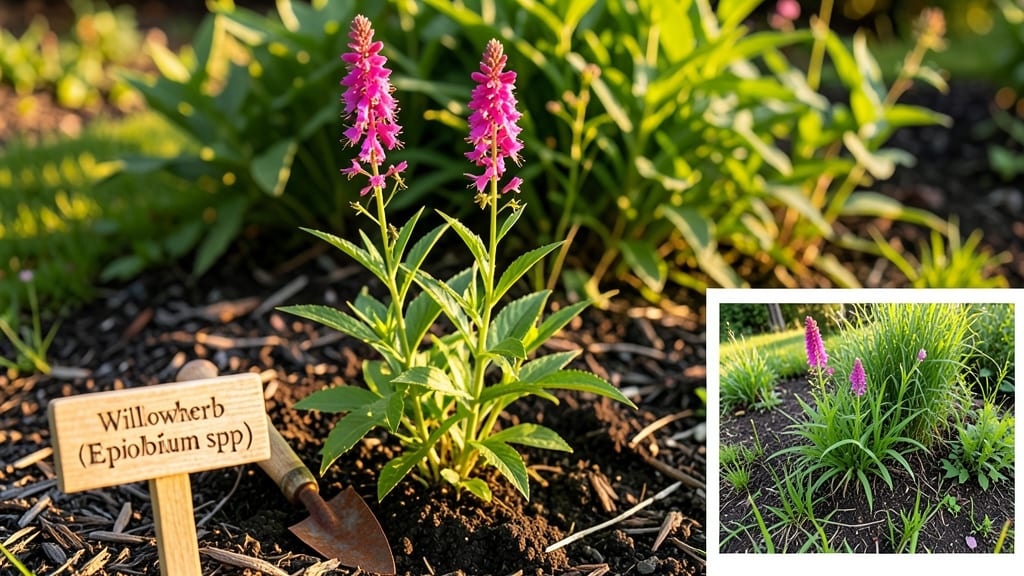
Willowherb is not a weed but a wildflower with ecological value, though its aggressive spread in some regions can make it undesirable in cultivated gardens. Its delicate blooms and pollinator benefits often outweigh its invasive tendencies for many gardeners.
Willowherb belongs to the Epilobium genus, a group of over 200 species native to temperate regions worldwide. 🌸 Unlike true weeds, these plants play a vital role in ecosystems by providing nectar for bees, butterflies, and hummingbirds—especially in early summer when few other flowers bloom.
Their bright pink or purple blossoms also add natural beauty to meadows and disturbed soils, making them valuable in wildlife-friendly gardens. The confusion arises because some varieties spread rapidly, but their ecological contributions often justify their presence.
For gardeners, the key lies in selective management. While species like Epilobium angustifolium (fireweed) can dominate open spaces, their ornamental cultivars (such as the double-flowered 'Roseum') are prized for their long-lasting blooms.
To control unwanted spread, I recommend hand-pulling young plants or mowing before they seed—chemical herbicides are rarely necessary unless the plant is overwhelming native species in your area.
💡 In This Article
- Botanical Classification and Ecological Role of Willowherb
- Managing Willowherb in Gardens: Control vs. Cultivation
Botanical classification and ecological role of willowherb
Willowherb belongs to the Epilobium genus within the Onagraceae family, which includes over 200 species distributed across temperate and alpine regions. Unlike true weeds—such as kudzu or Japanese knotweed—willowherb species are not inherently harmful to ecosystems.
Instead, they thrive in disturbed soils, roadsides, and open meadows, where their bright pink or purple flowers provide critical nectar for pollinators like bees, butterflies, and hummingbirds. 🌿 The confusion stems from their rapid growth and seed dispersal, but their ecological role as a pioneer plant (colonizing bare ground) is essential for soil stabilization and biodiversity.
The genus Epilobium includes both native and introduced species, with some—like Epilobium angustifolium (fireweed)—forming dense stands after wildfires or logging. These plants rely on wind-dispersed seeds, which can travel up to 3 miles, explaining their perceived "invasiveness."
However, their deep taproots prevent erosion, and their foliage supports caterpillars of species like the hummingbird moth. In contrast, true weeds often lack these ecological benefits, instead outcompeting native plants or degrading habitats.
One standout example is Epilobium angustifolium, a species native to North America and Eurasia that blooms from June to September, offering nectar when few other flowers are available.
Its 4-petaled blossoms and willow-like leaves make it a favorite in cottage gardens, while its ornamental cultivars (e.g., 'Roseum') are bred for double flowers and longer vase life.
The key difference between willowherb and invasive weeds lies in their intentional cultivation—gardeners often choose willowherb for its beauty and ecological perks, whereas weeds are typically unwanted by design.
Scientifically, willowherb’s classification as a "weed" is a misnomer rooted in human perspective. True weeds disrupt ecosystems, while willowherb enhances them by providing food and habitat. For instance, Epilobium hirsutum (hairy willowherb) supports over 20 species of insects, including rare butterflies like the heath fritillary.
This ecological value is why many conservationists advocate for controlled populations rather than eradication, especially in wildflower meadows or pollinator gardens. 🌸
To further clarify, consider the invasive vs. native distinction: while some willowherb species (like Epilobium ciliatum) may spread aggressively in gardens, they are not classified as invasive at the federal level in the U.S. or EU.
Their spread is often seasonal and manageable with simple techniques, unlike kudzu, which smothers forests and costs billions in control efforts annually. The solution lies in education and selective management, not blanket condemnation.
For those curious about willowherb’s sensory appeal, its delicate, slightly sweet fragrance and velvety petals make it a standout in floral arrangements. Unlike invasive plants, willowherb’s aesthetic and functional benefits often outweigh its presence, especially in native plant landscapes or low-maintenance gardens.
The takeaway? Willowherb is a botanical gift when understood—and managed—properly. ✨