
How To
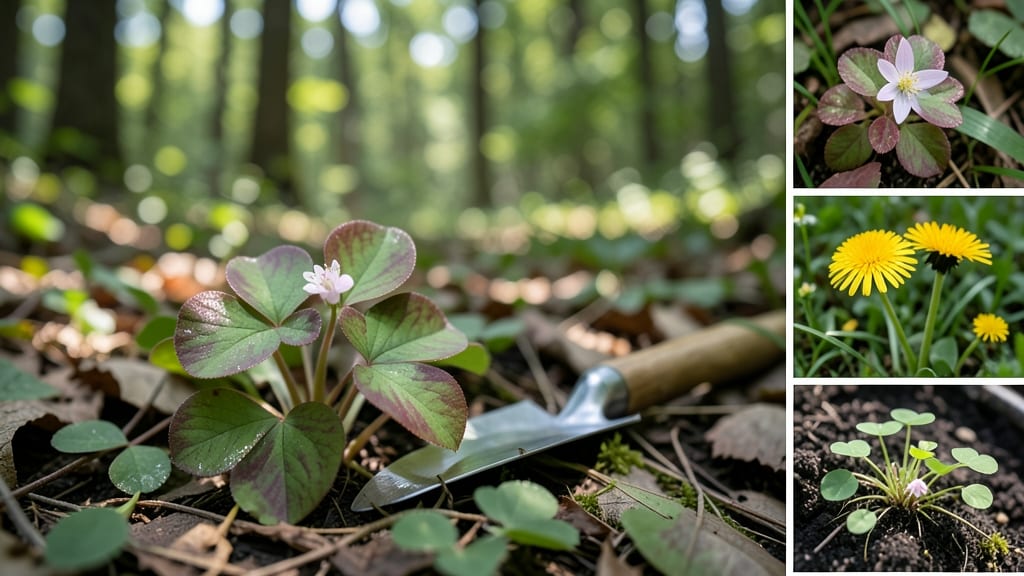
Woodsorrel is not a weed but a beneficial edible plant with tangy, lemony leaves often mistaken for invasive ground cover. It thrives in gardens, improves soil nitrogen, and attracts pollinators while being safe to consume in moderation.
Woodsorrel gets a bad rap because its clover-like leaves and sprawling growth can resemble common garden weeds like oxalis. 🌱 However, this plant is actually a nitrogen-fixing powerhouse, which means it naturally enriches soil health while suppressing weeds by outcompeting them for space.
Many gardeners intentionally grow it as a living mulch or edible ground cover, especially in organic gardens where synthetic fertilizers aren't used.
Beyond its ecological perks, woodsorrel's tangy flavor makes it a prized ingredient in salads or teas. Just be mindful of its oxalic acid content—moderation is key, especially for those with kidney concerns.
I've found it thrives in partial shade and moist soil, making it a low-maintenance addition to any garden plot.
💡 In This Article
- Woodsorrel’s Role in Gardens: Friend or Foe?
- Edible Uses and Harvesting Tips for Woodsorrel
Woodsorrel’s role in gardens: friend or foe?
The confusion around woodsorrel stems from its growth habits—it spreads aggressively in ideal conditions, forming dense mats of heart-shaped leaves that can resemble weeds like oxalis or creeping charlie. However, its ecological benefits set it apart.
Unlike true weeds that deplete soil nutrients, woodsorrel fixes nitrogen through symbiotic bacteria in its roots, adding approximately 20-30 pounds of nitrogen per acre annually—a natural fertilizer for your garden. 🌱 This process improves soil structure while suppressing weeds by outcompeting them for sunlight and space.
Woodsorrel's rapid growth and low-maintenance nature make it a valuable ground cover, especially in shady or moist areas where other plants struggle. Its bright yellow flowers (in species like yellow woodsorrel) attract pollinators like bees and butterflies, boosting garden biodiversity.
Unlike invasive weeds, woodsorrel doesn't spread via underground rhizomes or seeds that choke out native plants—it self-limits when conditions become too dry or sunny. This controlled spread is why many permaculturists and organic gardeners actively plant it as a living mulch.
One key difference between woodsorrel and true weeds lies in their impact on ecosystems. Weeds like creeping charlie (a member of the oxalis family) can form dense, impenetrable mats that smother lawns and gardens. Woodsorrel, however, maintains a balanced growth pattern and even improves soil health over time.
Its leaves contain mild oxalic acid, which can deter some pests naturally, reducing the need for chemical interventions. This dual role as a soil enhancer and pest suppressor makes it a garden ally rather than a nuisance.
Visually, woodsorrel's leaves have a distinctive texture—slightly waxy and tender when young, with a mild lemony aroma when crushed. This sensory contrast to the coarse, often bitter leaves of true weeds helps gardeners distinguish it.
The plant's shallow roots also make it easier to remove if needed, unlike deep-rooted weeds that require persistent digging. For gardeners, this means woodsorrel can be managed without harming the soil structure, unlike invasive species that leave behind stubborn root systems.
Consider these practical benefits when evaluating woodsorrel's role in your garden:
- Soil improvement: Adds organic matter and nitrogen without synthetic inputs
- Weed suppression: Outcompetes invasive species by covering bare soil
- Pollinator support: Provides nectar for bees and beneficial insects
- Edible value: Harvestable leaves add tangy flavor to culinary uses
What most gardeners don't realize is that woodsorrel's "weedy" appearance is actually a sign of a healthy, thriving ecosystem—it indicates rich, moist soil that supports diverse plant life.
Unlike weeds that indicate poor soil conditions, woodsorrel thrives in environments where other beneficial plants can also grow. 🌿 This ecological synergy is why many sustainable gardeners view it as a valuable component rather than a pest.