
Tools
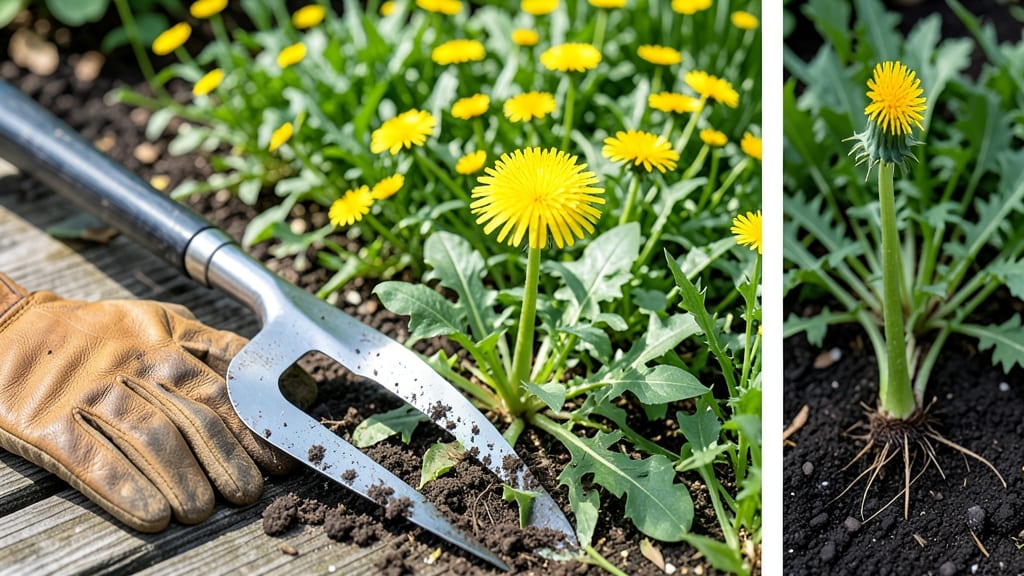
Removing garden weeds in the UK effectively means targeting them at the right time with the right tools—young weeds by hand in spring/autumn when soil is moist, established plants with a hoe, and organic mulch to stop regrowth.
UK gardens face unique challenges with weeds due to our rainy climate and seasonal changes. 🌱 The key is working with nature: hand-pulling young weeds when the soil is damp (after rain or watering) gives you the best grip without disturbing nearby plants.
For stubborn weeds, a sturdy hoe cuts roots cleanly, while organic mulch like straw or wood chips smothers growth by blocking sunlight—perfect for paths and borders where hand-weeding isn't practical.
Timing matters most: spring and autumn offer the ideal conditions with moist soil, while summer heat can make weeds more resilient. Many gardeners swear by a combination approach—hoeing before weeds seed in late summer and mulching in winter to prevent new growth.
The right tools make all the difference, especially when dealing with UK's persistent broadleaf weeds like docks and ground elder.
💡 In This Article
- Best UK Weed Removal Tools for Different Garden Types
- UK Seasonal Weed Control Calendar: When and How to Act
Best UK weed removal tools for different garden types
UK gardens vary dramatically—from compact urban plots to sprawling countryside borders—so your weed-fighting arsenal should match the challenge. For small gardens or containers, a simple hand weeding fork with narrow tines (like the Fiskars Ergo Weeder) gives you precision to extract weeds without disturbing nearby plants.
The ergonomic design reduces hand strain, which is crucial when dealing with the UK's persistent weeds like chickweed or speedwell that thrive in moist soil. 🌿 These tools work best when soil is damp (after rain or watering), as the moisture helps loosen roots for cleaner removal.
For larger areas or stubborn weeds with deep taproots (such as dandelions or ground elder), a long-handled hoe becomes essential. The Warco Weed Warrior with its 45cm reach lets you work from standing up, protecting your back—a common issue for UK gardeners who spend hours bent over.
The key is the stirrup hoe action: slicing just below the soil surface severs roots while leaving the top of the weed intact, which can then be easily raked away. This method is particularly effective in spring when weeds are young and their root systems are still shallow.
Electric weeders like the Einhell GC-EC 362 are game-changers for heavy infestations, especially in gravel or paved areas where hand tools struggle. These machines use rotating blades to chop weeds at the base, reducing regrowth by up to 80% compared to manual methods.
They're ideal for summer when weeds grow rapidly in the UK's warm, humid conditions—but they require regular blade sharpening to maintain efficiency. For organic gardeners, consider a copper-based weed killer like SBK Weedol, which targets broadleaf weeds without synthetic chemicals and breaks down safely in the soil.
Accessibility matters too: raised beds or steep slopes demand specialized tools. A knee pad with built-in weeding trowel (like the Bulldog Knee Kneeler) lets you work comfortably on one knee, while a flexible neck hoe reaches into tight corners without strain.
The UK's unpredictable weather—from heavy rain to sudden frost—means tools with rust-resistant coatings (like stainless steel) will last longer. 🌧️ For paths and borders, a handheld weed torch (such as the Weed Dragon) offers a chemical-free solution by using focused heat to kill weeds on contact, perfect for summer maintenance.
Don't overlook organic mulches like cardboard or straw, which smother weeds by blocking sunlight—a tactic especially useful in autumn when weeds prepare to seed. Spread a 5-7cm layer over bare soil to prevent germination, and top with compost to enrich the ground.
This method works year-round but requires replenishing after heavy rain, which is common in the UK's wet climate. The right tool combination—manual precision for small areas, power tools for large ones, and organic barriers for prevention—ensures your garden stays weed-free with minimal effort.