
Flowers
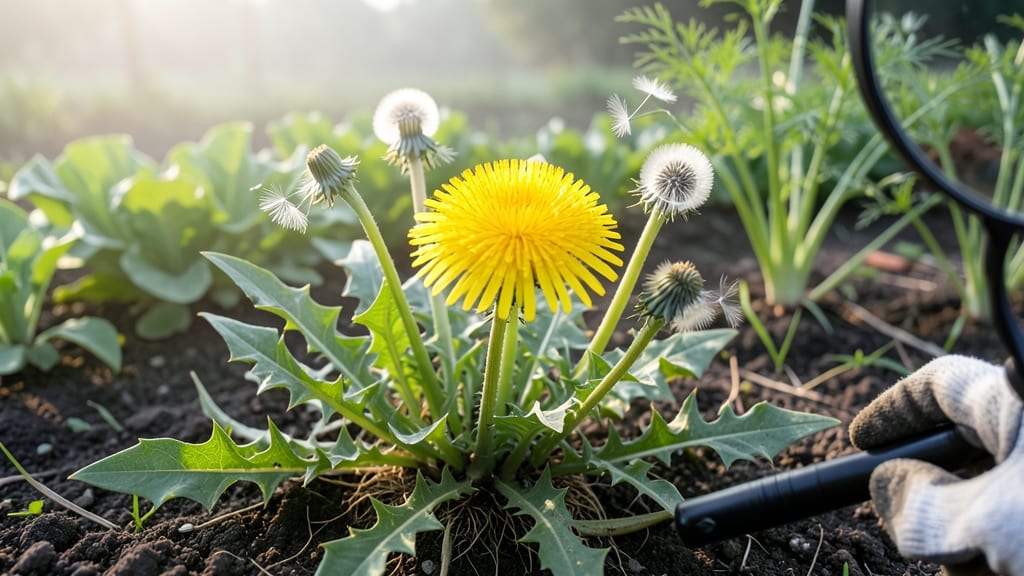
The meaning of "weed" in English varies dramatically: it can describe cannabis plants (botanically), illegal narcotics (as slang), or unwanted vegetation (in gardening), adapting to context from medicinal uses to invasive plant management.
The term "weed" has evolved into a linguistic chameleon, reflecting cultural, legal, and botanical shifts. 🌱 In botanical terms, it originally referred to any unwanted plant competing with crops, but modern usage splits sharply: "weed" now often signals cannabis (especially in medical or recreational contexts), while gardeners still use it to describe invasive species like dandelions.
This duality creates confusion—what's a medicinal plant in one conversation becomes a legal gray area in another, depending on jurisdiction and intent.
What's fascinating is how regional slang further complicates things. While "weed" dominates in North America, British speakers might use "grass" or "pot," showing how language adapts to local norms. Even metaphorically, "weed" can mean wasting time or energy—proof of how deeply embedded this word is in everyday communication.
The key takeaway? Always consider the context before assuming someone's meaning.
💡 In This Article
- Botanical vs. Slang: How "Weed" Shifts Across Contexts
- Gardening Weed: Identifying and Managing Invasive Plants
Botanical vs. slang: how "weed" shifts across contexts
The word "weed" traces its botanical roots to Old English wæde, meaning any plant considered worthless or undesirable in agricultural contexts. By the 16th century, it expanded to include any plant growing where it wasn't wanted, regardless of its actual value.
This broad definition explains why gardeners still use "weed" today to describe plants like crabgrass or pigweed that compete with cultivated crops. The key distinction here is ecological—weeds are defined by their unwanted presence, not their inherent properties.
Fast-forward to modern times, and "weed" took on a dramatically different meaning when it became slang for cannabis, particularly Cannabis sativa and Cannabis indica. This shift occurred in the mid-20th century, accelerated by counterculture movements and the drug's association with rebellion.
The term stuck because of its duality: "weed" could imply both the plant's lowly status (compared to more prized crops) and its potent psychoactive effects.
Legally, this creates a fascinating tension—what's a medicinal herb in Colorado might be classified as an illegal narcotic in neighboring states, all under the same linguistic umbrella.
Regional variations add another layer of complexity. In North America, "weed" dominates cannabis slang, while British English favors "grass" or "pot." Even within the U.S., "Mary Jane" or "ganja" appear in specific communities, showing how language adapts to cultural identity.
The legal landscape further complicates matters: jurisdictions with decriminalized cannabis often use neutral terms like "cannabis product," while law enforcement might default to "illicit weed" to emphasize illegality. This linguistic flexibility reflects deeper societal attitudes toward plant-based substances.
What's often overlooked is how "weed" functions metaphorically. Calling something a "weed" can imply it's invasive or undesirable—whether it's a metaphor for bad habits ("smoking weed") or literal plant management. This versatility makes the word uniquely adaptable, able to shift from a scientific classification to a criminal charge in seconds.
The challenge for speakers? Context is everything. A gardener's "weed" is a botanist's "invasive species," while a teenager's "weed" might be a pharmacist's "medicinal cannabis."
Here's where the science comes in: cannabis's chemical composition—particularly its cannabinoids like THC and CBD—has driven its slang evolution. The plant's psychoactive properties made it a cultural symbol, while its botanical classification (Cannabis) remained technical.
This duality creates a linguistic puzzle where the same word can trigger vastly different mental associations. For example, a doctor discussing "medical weed" might evoke images of relief, while a cop's "street weed" conjures images of crime. The word's power lies in its ability to carry these contrasting meanings simultaneously.
Consider this: the average American might associate "weed" with cannabis, but a farmer in Kansas would think of pigweed clogging irrigation ditches. This discrepancy highlights how language evolves through use—what starts as a neutral botanical term can become loaded with cultural and legal weight.
The next time you hear "weed," pause and ask: is this about plants, laws, or something entirely different? The answer might surprise you.