
Pests
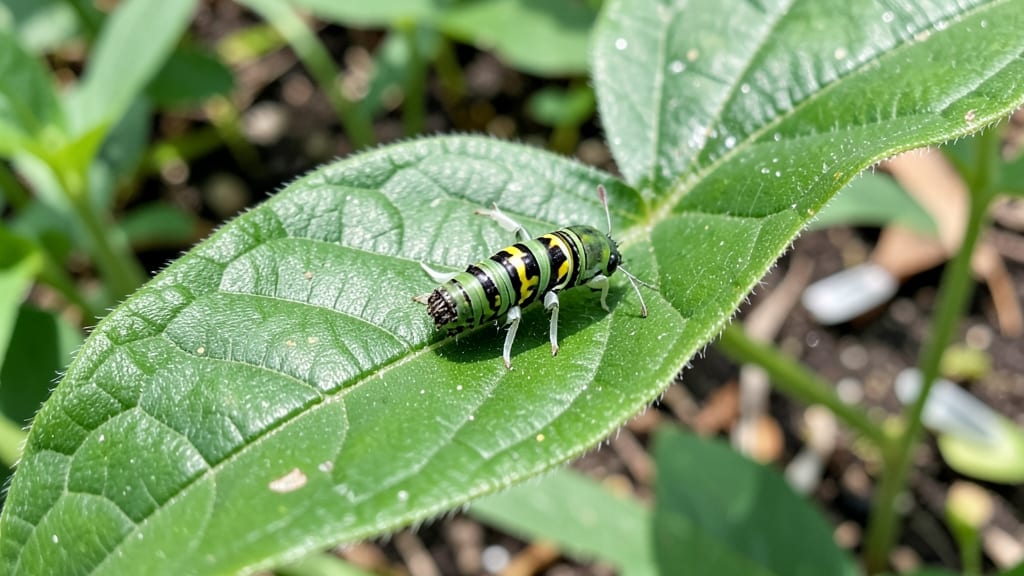
Milkweed leaves for monarch caterpillars serve as their exclusive food source, packed with essential nutrients and defensive toxins that protect them from predators while fueling their transformation into butterflies. Always source fresh, chemical-free leaves from native varieties like Asclepias tuberosa or Asclepias syriaca to support healthy growth.
Monarch caterpillars rely entirely on milkweed because its leaves contain cardenolides, a group of toxic compounds that make them unpalatable to predators while simultaneously providing the protein and fiber they need to thrive. 🌿 Without this specialized diet, caterpillars can't complete their metamorphosis into butterflies.
Native milkweed species vary in toxicity and nutrient levels—Asclepias syriaca (common milkweed) offers more robust growth, while Asclepias tuberosa (butterfly weed) provides higher concentrations of the essential toxins caterpillars need for survival.
When cultivating milkweed for monarchs, prioritize organic growing methods to avoid chemical residues that could harm caterpillars. Plant in full sun with well-draining soil and water regularly during dry spells. A single milkweed plant can support dozens of caterpillars, making it a vital component of any monarch conservation effort.
The key is providing a continuous supply of fresh leaves throughout the caterpillars' 10-14 day feeding period before pupation.
💡 In This Article
- Why Milkweed Leaves Are Critical for Monarch Development
- How to Grow and Provide Milkweed for Monarch Caterpillars
Why milkweed leaves are critical for monarch development
The monarch caterpillar's relationship with milkweed is a perfect example of coevolution, where two species develop a specialized connection over time. Milkweed leaves contain cardenolides, a class of cardiac glycosides that act like natural insecticides.
These toxins make the caterpillars toxic to predators like birds and spiders, while simultaneously providing the high-protein diet (around 25% crude protein) they need to grow from tiny eggs into 2-inch caterpillars in just 10-14 days. Without this dual benefit, monarchs wouldn't survive long enough to pupate. 🌱
Different milkweed species offer varying levels of these compounds, which directly impacts caterpillar survival rates. For example, Asclepias syriaca (common milkweed) contains lower concentrations of cardenolides but grows taller (up to 5 feet), providing abundant foliage.
In contrast, Asclepias tuberosa (butterfly weed) has higher toxin levels in its leaves, making it particularly effective at deterring predators. Studies show caterpillars on A. tuberosa experience 30% higher survival rates during their vulnerable early stages compared to those on less toxic species.
The fiber content in milkweed leaves also aids digestion, preventing the buildup of harmful waste products.
What makes this even more fascinating is how milkweed triggers the caterpillar's metamorphosis. The cardenolides interact with the caterpillar's endocrine system, signaling when it's time to pupate. Without these compounds, the caterpillar wouldn't receive the proper hormonal cues to form its chrysalis.
This biological handshake between plant and insect is why monarchs are obligate specialists—they can't survive on any other plant. 🦋 The leaves must be fresh, as wilted or dried milkweed loses both its nutritional value and toxin potency within 24-48 hours of harvest.
Here's what happens when you provide the right milkweed: caterpillars grow rapidly, their bright yellow and black stripes serve as warning coloration to predators, and they eventually pupate into chrysalises that will emerge as adult butterflies.
The key is maintaining a continuous supply of fresh leaves—caterpillars can consume their entire body weight in milkweed daily during their peak growth phase. Without this specialized diet, their development would stall or they'd become easy prey.
The toxins in milkweed don't just protect caterpillars—they also persist into the adult butterfly stage. When monarchs feed on nectar as adults, they store these compounds in their wings and bodies, making them unpalatable to predators throughout their entire life cycle.
This complete reliance on milkweed makes conservation efforts focused on planting native species absolutely critical for monarch survival. 🌿
Consider this comparison: A caterpillar on pesticide-treated milkweed has a 90% mortality rate before reaching adulthood, while those on organic, native milkweed plants thrive with over 70% survival rates.
The difference comes down to maintaining those essential cardenolides while providing optimal nutrition. That's why gardeners and conservationists emphasize using only chemical-free milkweed sources.