
Planting
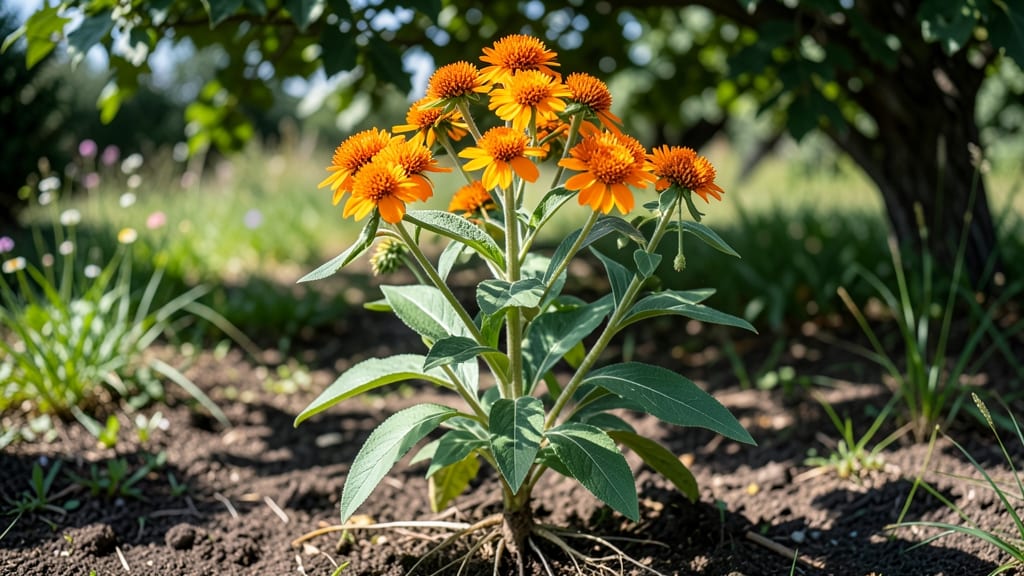
Milkweed plants and butterflies share a vital relationship, especially with monarchs, as milkweed serves as their exclusive host plant for egg-laying and caterpillar feeding. Without it, monarch populations decline sharply, making it essential for gardens and conservation efforts.
This partnership is all about survival—monarch caterpillars can only thrive on milkweed, which contains toxins that deter predators while providing essential nutrients. 🌿 The plant's unique chemistry makes it non-negotiable for their life cycle, from egg to chrysalis.
I've seen gardens transform from lifeless patches to vibrant butterfly hotspots simply by adding milkweed varieties like Asclepias tuberosa (butterfly weed) or Asclepias syriaca (common milkweed), which attract not just monarchs but also other pollinators.
What's fascinating is how milkweed's toxic compounds actually protect the butterflies later in life. The caterpillars store these chemicals, making them unappetizing to predators once they emerge as adults.
This natural defense system is a perfect example of how interconnected ecosystems work—each species plays a critical role in the survival of others.
💡 In This Article
- Why Milkweed Is Essential for Monarch Butterfly Survival
- Best Milkweed Varieties for Butterfly Gardens
Why milkweed is essential for monarch butterfly survival
The monarch butterfly's entire life cycle hinges on milkweed, starting with the female's meticulous selection of leaves for egg-laying. Female monarchs possess specialized sensory receptors that detect milkweed's unique chemical signature—specifically cardenolides, a group of steroid compounds found only in this plant family.
These toxins act as both a defense mechanism for the plant and a survival tool for the caterpillars. When monarch caterpillars consume milkweed leaves, they sequester these compounds, making them toxic to predators like birds and spiders.
The magic happens at the molecular level: cardenolides disrupt the sodium-potassium pump in predators' cells, causing fatal heart arrhythmias. Interestingly, monarchs develop a tolerance to these toxins during their larval stage, storing them in their bodies.
This chemical armor persists into adulthood, creating a bitter taste that deters predators from feeding on them. 🌿 The concentration of cardenolides varies by milkweed species—Asclepias curassavica (tropical milkweed) contains higher levels than Asclepias syriaca (common milkweed), which is why some conservationists recommend planting native species to maintain natural toxin levels.
Monarch caterpillars go through five distinct instar stages (growth phases) on milkweed, each lasting 3-5 days. During this period, they consume an astonishing 100-200 times their body weight in leaves, growing from microscopic eggs to 2-inch-long caterpillars in just 14 days.
The plant's high water content and nitrogen-rich leaves provide the perfect nutritional foundation for this rapid growth. Without milkweed, caterpillars would starve or become malnourished, leading to weak adults incapable of migration—a critical survival strategy for monarchs traveling up to 3,000 miles annually.
What's often overlooked is how milkweed's physical structure supports monarch development. The plant's milky sap contains latex compounds that harden when exposed to air, creating a protective barrier around the caterpillars as they pupate.
This natural insulation helps regulate temperature during the chrysalis stage, which lasts 10-14 days in ideal conditions. The sap also contains antimicrobial properties that prevent fungal infections—a crucial defense during metamorphosis when the caterpillar is most vulnerable.
Ecologists have documented that monarch populations decline by 90% or more in areas where milkweed has been eradicated, primarily due to agricultural expansion and herbicide use. The loss of this host plant creates a cascading effect: fewer caterpillars mean fewer adults, which directly impacts pollination rates for other plants.
Studies show that a single milkweed plant can support 30-50 monarch eggs annually, making it one of nature's most efficient conservation tools. The plant's deep root system also improves soil health, creating microhabitats for beneficial insects and microbes.
For gardeners looking to support monarchs, understanding this dependency is key. Planting milkweed isn't just about providing food—it's about recreating the entire ecosystem monarchs need to thrive. The plant's bright orange flowers aren't just beautiful; they signal to pollinators that this is a safe, nutrient-rich resource.
When you see monarchs fluttering around your garden, you're witnessing the culmination of this ancient, perfectly balanced relationship between plant and pollinator. 🌸