
Vegetables
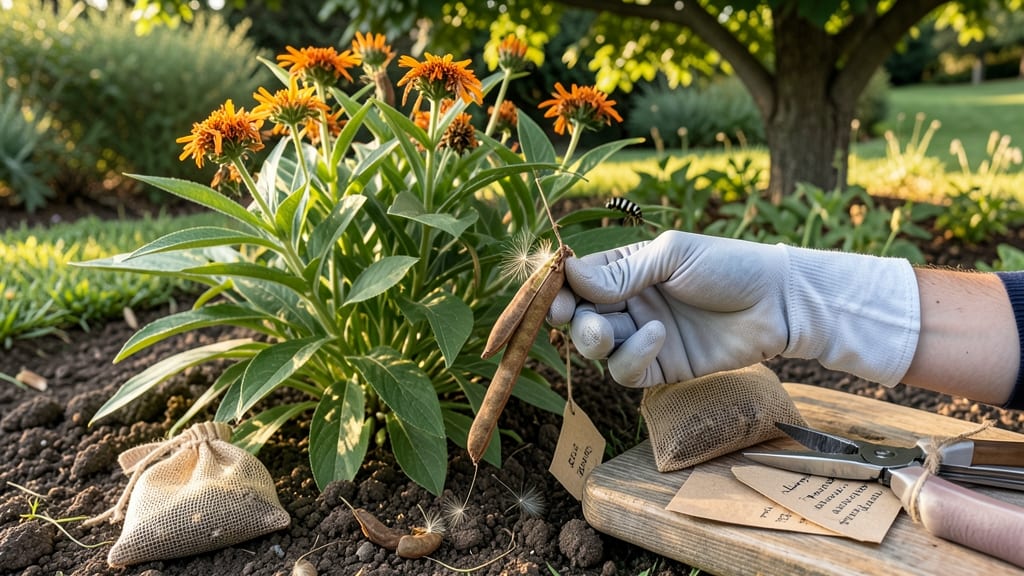
Milkweed pods have diverse uses, including supporting monarch butterfly ecosystems, serving as natural dye sources, and offering edible applications in traditional medicine and cooking when properly prepared.
Milkweed pods are nature's multitaskers, playing a crucial role in ecosystems while offering creative and culinary possibilities. 🌿 They're the sole food source for monarch caterpillars, making them essential for butterfly conservation, and their fibrous texture makes them ideal for crafting natural dyes or even edible preparations when harvested young.
I've seen gardeners use them in seed pod art and tea blends, though always with caution—some parts contain mild toxins that require careful preparation.
Beyond their ecological value, milkweed pods contain compounds like cardenolides that have been studied for potential medicinal properties, though research is ongoing. The key is proper preparation: young pods can be steamed or dried to remove irritants, while mature pods are best used for crafts or dyeing.
Always wear gloves when handling them, as their sap can cause skin irritation for some people.
💡 In This Article
- How Milkweed Pods Sustain Monarch Butterfly Ecosystems
- Creative and Edible Uses of Milkweed Pods in Gardening
How milkweed pods sustain monarch butterfly ecosystems
Milkweed pods are the cornerstone of monarch butterfly survival, serving as the exclusive food source for their caterpillars. The pods contain cardenolides—natural compounds that monarchs have evolved to tolerate, while most other insects avoid them. These toxins actually protect the caterpillars from predators, creating a unique ecological niche.
A single female monarch can lay up to 400 eggs in her lifetime, but without milkweed pods, none would survive past the larval stage.
The lifecycle begins when female monarchs lay eggs on milkweed leaves, and within 5-8 days, caterpillars emerge to devour the leaves and pods. The pods provide essential nutrients as the caterpillars grow, molting 4-5 times before pupating.
What's fascinating is how the pods' fibrous structure helps anchor the caterpillars while they feed—you'll often see them clinging to the pods as they grow. Without this plant, monarch populations would collapse, as they've become completely dependent on it over millennia.
Beyond food, milkweed pods play a crucial role in seed dispersal. When mature, they split open explosively, ejecting seeds up to 6 feet away—a mechanism that ensures new plants grow in diverse locations.
This dispersal helps create the patchy habitats monarchs need for migration. The pods' unique structure also provides shelter for other beneficial insects, making milkweed a keystone species in many ecosystems.
Conservation efforts often focus on planting milkweed, but the pods themselves are equally vital. Their presence indicates a healthy ecosystem where monarchs can thrive. Studies show that areas with at least 20% milkweed coverage support significantly higher butterfly populations.
The pods' longevity—some remain viable for years—means they contribute to food security across generations of monarchs.
What most people don't realize is how milkweed pods adapt to different climates. In cooler regions, they grow more slowly but produce heartier pods that withstand frost better.
This adaptability is why conservationists recommend planting native milkweed species—like Asclepias syriaca in the Midwest or Asclepias californica in California—rather than tropical varieties that may not survive local winters.
The ecological relationship between milkweed pods and monarchs is a perfect example of coevolution. The pods' chemical defenses evolved alongside the butterflies' ability to process them, creating a symbiotic relationship that's been fine-tuned over millions of years.
This delicate balance is why protecting milkweed pods isn't just about butterflies—it's about preserving an entire food web.
For gardeners wanting to support monarchs, focus on planting milkweed varieties with robust pods. The Swamp Milkweed (Asclepias incarnata) produces particularly large pods that caterpillars favor. Just remember: the more pods you have, the more monarchs you'll attract—and the healthier your local ecosystem will be. 🌱