
Pests
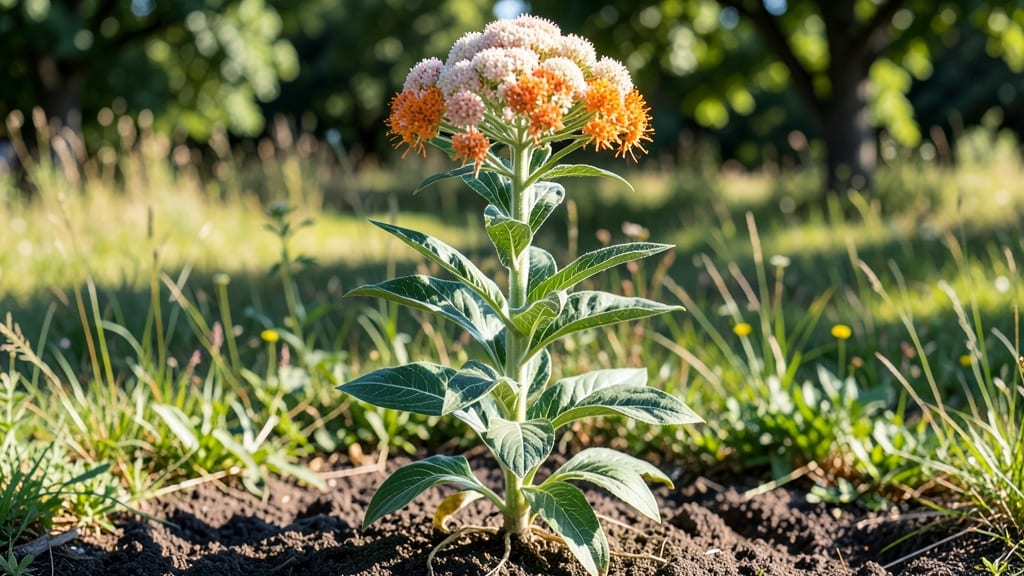
Seeing a monarch butterfly lay eggs on milkweed means you’re witnessing a vital moment for their survival, as milkweed is the only plant their caterpillars will eat—making your garden a lifeline for future generations.
This moment isn’t just about reproduction—it’s a conservation milestone. 🌿 Milkweed contains compounds that make monarch caterpillars toxic to predators, giving them a fighting chance.
What’s fascinating is how this relationship works: female monarchs use their specialized ovipositors to precisely place eggs on milkweed leaves, ensuring their offspring have access to the exact nutrition they need.
Without milkweed, these butterflies wouldn’t survive past the caterpillar stage, which is why planting native species in your garden becomes such a powerful conservation act.
Beyond the biological connection, this process highlights why monarch populations are declining—habitat loss means fewer milkweed plants. By providing this critical food source, you’re not just supporting butterflies; you’re helping maintain the delicate balance of ecosystems that rely on their pollination.
The more milkweed available, the higher the chances for successful egg-laying and the continuation of this incredible life cycle.
💡 In This Article
- Why Milkweed Is Essential for Monarch Survival
- Creating a Monarch-Friendly Garden with Native Milkweed
Why milkweed is essential for monarch survival
Monarch butterflies have evolved an exclusive relationship with milkweed that goes far beyond simple nutrition. The plant contains cardenolides, a group of toxic steroids that make monarch caterpillars unpalatable to predators like birds and spiders.
When a female monarch lays her eggs on milkweed leaves, she’s ensuring her offspring will consume these compounds during their larval stage, creating a built-in defense mechanism. This chemical protection is so effective that predators often avoid monarch caterpillars entirely after just one unpleasant encounter.
The timing of egg-laying is also critical—female monarchs use their specialized ovipositors to place eggs on milkweed leaves that are young but not too tender, typically between 2-6 inches long. This precision ensures the emerging caterpillars have immediate access to fresh, nutrient-rich foliage.
What’s fascinating is how the cardenolides don’t just deter predators—they also play a role in preparing adult monarchs for their 3,000-mile migration by influencing their energy metabolism and fat storage patterns.
Without milkweed, monarch caterpillars would starve within days because they’ve lost the ability to digest any other plant.
The plant’s latex sap, which contains additional toxins, further protects the caterpillars by making them difficult to swallow. 🌿 This specialized diet creates a perfect storm of survival advantages: the caterpillars grow rapidly (reaching full size in about 2 weeks), develop their signature orange-and-black warning colors, and gain the chemical defenses needed to survive their brief adult lives.
Ecologists have documented that monarch populations decline sharply in areas where milkweed has been eradicated—often due to herbicide use in agriculture. The loss of just 1% of milkweed habitat can reduce local monarch numbers by up to 20%**, according to studies from the University of Georgia.
This makes every milkweed plant in your garden a potential lifeline for these declining butterflies.
What most people don’t realize is how milkweed’s toxicity works at a cellular level. The cardenolides bind to sodium-potassium pumps in predator cells, disrupting their normal function and causing muscle contractions. For monarchs, however, these same compounds become part of their biological identity—making them instantly recognizable (and avoided) by predators.
This chemical arms race between monarchs and their enemies has been evolving for millions of years.
The migration itself wouldn’t be possible without milkweed’s role in preparing monarchs. Caterpillars that feed on milkweed store more fat reserves, which fuel their incredible journey.
In fact, monarchs that develop on milkweed have been shown to fly 15% farther than those raised on alternative plants, demonstrating how crucial this relationship truly is to their survival strategy.