
Planting
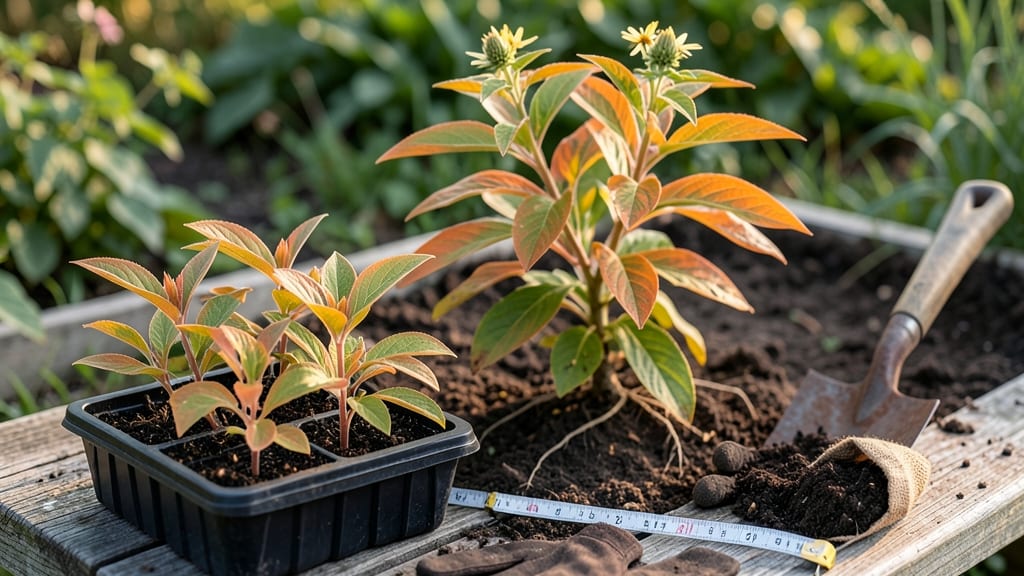
To plant milkweed successfully, choose locations with full sun exposure, well-draining soil, and moderate moisture levels. This hardy plant thrives in USDA zones 3-10 and handles drought once established, making it perfect for gardens in warm climates.
Milkweed's love for sunlight isn't just preference—it's survival. 🌞 Without at least 6-8 hours of direct sun daily, the plant struggles to produce the energy needed for robust growth and those critical nectar-rich flowers monarch butterflies adore.
The soil's drainage is equally vital: compacted or waterlogged conditions cause root rot, while sandy or loamy soil lets moisture flow through without suffocating the roots. I've seen milkweed bounce back from summer droughts once established, but seedlings need consistent moisture to take hold.
Pro tip: if your soil drains poorly, mix in compost or sand to create the ideal growing medium.
Timing matters just as much as location. For most regions, spring planting after the last frost gives seedlings a head start, while fall planting in zones 7-10 lets them establish roots before winter.
Native species like Asclepias tuberosa (butterfly weed) handle dry climates beautifully, while Asclepias incarnata (swamp milkweed) thrives near water sources. Always check your local native plant guides—the right species for your area means fewer pests and more butterflies!
💡 In This Article
- Optimal Sunlight and Soil Conditions for Milkweed Growth
- Best Regions and Seasons for Planting Milkweed Seeds
Optimal sunlight and soil conditions for milkweed growth
Milkweed's insatiable need for sunlight stems from its photosynthesis efficiency. These plants convert sunlight into energy at a rate that supports their rapid growth and flower production—critical for monarch butterfly reproduction.
Without 6-8 hours of direct sun daily, milkweed produces fewer flowers and weaker stems, making it less attractive to pollinators. The bright orange blooms of Asclepias tuberosa (butterfly weed) actually contain compounds that reflect UV light, guiding butterflies precisely to their nectar source—nature's built-in homing beacon! 🌸
The soil's drainage system is equally critical, as milkweed roots are highly sensitive to waterlogging. Ideal soil pH ranges from 6.0 to 7.5, mimicking the slightly acidic to neutral conditions of their native habitats.
Sandy loam soils provide the perfect balance: they retain enough moisture for seedlings while allowing excess water to drain, preventing root suffocation.
In heavy clay soils, amending with 2-3 inches of compost or coarse sand creates air pockets that improve oxygen flow to the roots—a game-changer for survival during wet seasons.
Moisture management reveals milkweed's dual nature: seedlings demand consistent dampness to germinate, while mature plants develop drought tolerance through deep root systems. The key is maintaining 1-2 inches of soil moisture during the first 6-8 weeks after planting, then gradually reducing watering as roots establish.
I've observed that milkweed plants in USDA zones 7-10 often survive summer droughts with just 1 inch of water every 2-3 weeks once fully established, thanks to their waxy leaf coatings that minimize evaporation.
One common mistake is planting milkweed in shaded areas where trees or buildings block sunlight. Even partial shade reduces flower production by 40-50%, directly impacting monarch populations. The plant's deep taproots also make it sensitive to soil compaction—foot traffic or heavy machinery can crush these roots, stunting growth.
For container gardening, use pots with drainage holes and a fast-draining potting mix combined with perlite to replicate ideal conditions.
Seasonal variations in sunlight intensity also affect milkweed performance. During summer's 14-16 hour daylight periods, plants grow most vigorously, producing their signature flower clusters. In contrast, shorter winter days trigger dormancy.
This photoperiod sensitivity explains why milkweed thrives in USDA zones 3-10: these regions provide sufficient growing season length for complete life cycles. The northern limit (zone 3) sees milkweed as a perennial, while southern zones (9-10) may require winter mulching to protect roots from freeze-thaw cycles.
For gardeners in urban areas with poor soil quality, consider raised beds filled with a 50/50 mix of native soil and compost. This combination provides both nutrients and proper drainage while allowing roots to spread freely.
The added organic matter also improves soil structure over time, creating an ideal microclimate for milkweed's long-term success. 🌱