
Advice
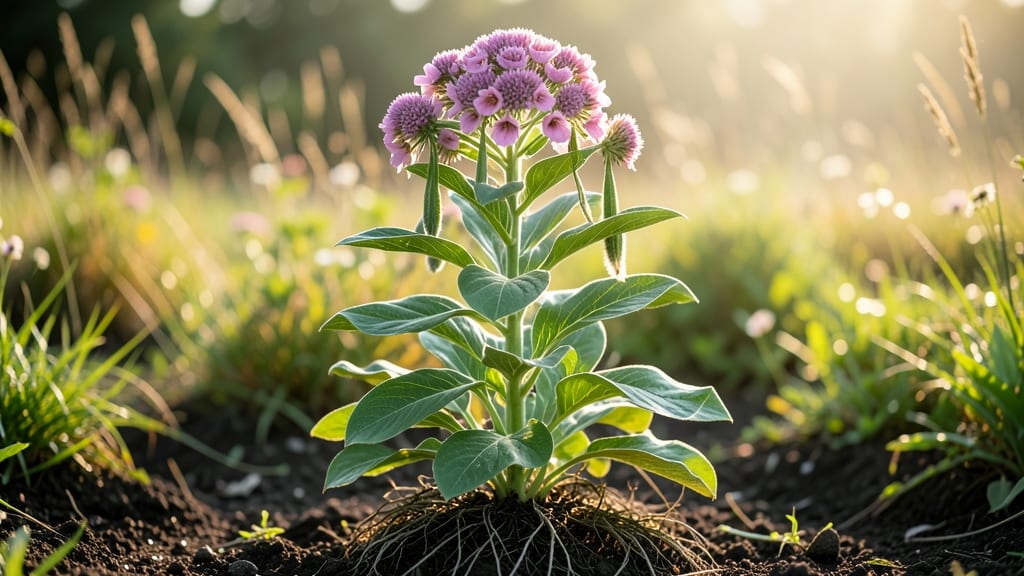
Monarch butterflies depend entirely on milkweed for their survival, as female butterflies deposit eggs only on its leaves and caterpillars consume nothing but milkweed before pupating. This specialized plant relationship is vital for their life cycle and conservation efforts.
This dependency isn't just about food—it's a survival strategy. 🌿 Milkweed contains cardiac glycosides, toxic compounds that deter most predators from eating monarch caterpillars. The plant's unique chemistry even helps the butterflies store these toxins in their adult wings, making them less appetizing to birds.
Without milkweed, monarch populations would collapse entirely, which is why conservationists focus so heavily on planting these essential host plants across North America.
What makes this relationship even more fascinating is how precise it is. Female monarchs can detect milkweed from up to 3 miles away using their keen sense of smell, and they'll only lay eggs on specific milkweed species that their caterpillars can tolerate.
This specialized connection between monarchs and milkweed makes them one of nature's most remarkable ecological partnerships.
💡 In This Article
- Milkweed’s Role in Monarch Butterfly Life Cycle Stages
- How to Grow Milkweed for Monarch Butterflies
Milkweed’s role in monarch butterfly life cycle stages
The monarch butterfly's life cycle is intricately tied to milkweed through a series of biological adaptations. Female monarchs use specialized sensory receptors to detect milkweed's chemical signature from up to 3 miles away, guiding them to lay eggs exclusively on its leaves.
This precision is critical because monarch caterpillars, called larvae, are obligate feeders—they can only survive by consuming milkweed, which contains essential nutrients like proteins and sugars while providing protection through its toxins.
Here's what happens at each stage: A female monarch deposits 200-400 eggs in her lifetime, each about the size of a pinhead, on the underside of milkweed leaves. Within 3-8 days, the eggs hatch into caterpillars that immediately begin feeding on the leaves.
The milkweed's cardiac glycosides—natural toxins that would poison most predators—are actually stored by the caterpillars, making them unpalatable to birds and other predators. This chemical defense is so effective that predators like birds often avoid monarch caterpillars entirely after a single bad experience.
The caterpillars go through 5 molts over 10-14 days, growing from 1/8 inch to nearly 2 inches long. During this time, they consume up to 20 times their body weight in milkweed leaves daily.
Once fully grown, they attach to a leaf or stem, forming a chrysalis where metamorphosis occurs. The milkweed's toxins continue to play a role here—they're carried into the adult butterfly's wings, making even the adult monarch less appealing to predators.
What's fascinating is how milkweed's toxins work: they disrupt the nervous system of predators, causing nausea and vomiting. This chemical defense is so powerful that monarchs can survive being eaten once by predators like birds, who then avoid them completely.
Without this protective relationship, monarch caterpillars would face 99% mortality from predators in the wild. The plant's toxins are so concentrated that just 0.1 milligrams can deter a predator.
This specialized relationship extends beyond survival—it's also about timing. Monarchs time their migration perfectly to ensure their caterpillars hatch when milkweed is abundant. In the northern U.S., this means caterpillars emerge in late spring to early summer, when milkweed is at its most nutritious.
The plant's life cycle is perfectly synchronized with the butterflies', creating one of nature's most elegant ecological partnerships.
Conservationists often highlight this relationship when explaining why milkweed is essential for monarch survival. Planting milkweed isn't just about providing food—it's about creating a safe environment where caterpillars can grow, transform, and emerge as butterflies protected by their host plant's chemical defenses. 🌿