
Pests and Diseases
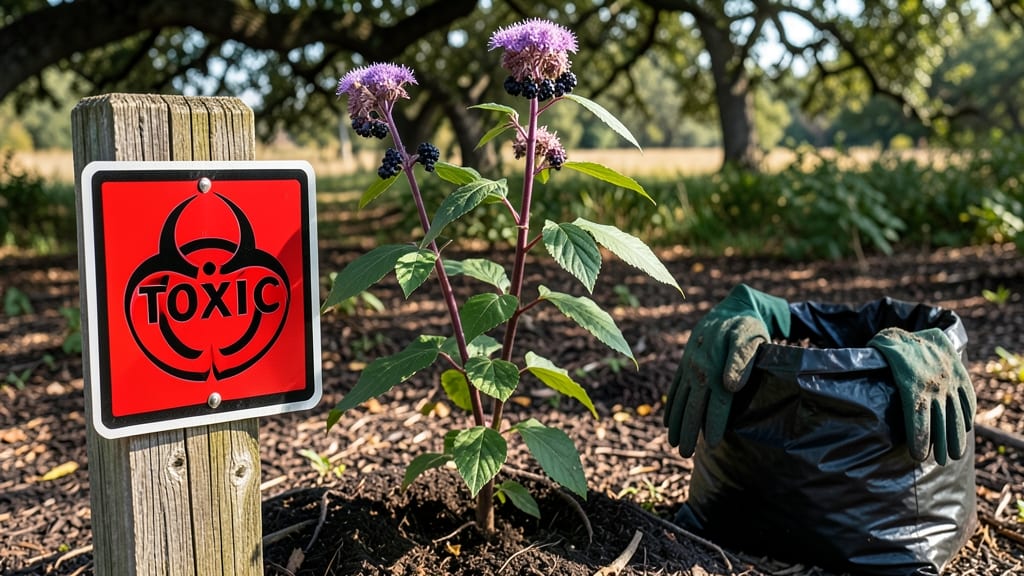
Poke weed poison poses serious health risks due to its toxic compounds like saponins and phytolaccatoxin, which trigger severe reactions including vomiting, diarrhea, and skin irritation upon contact or ingestion. Always use protective gear when handling this plant, and seek immediate medical help if exposed.
Poke weed's toxicity comes from its chemical arsenal, where saponins create soapy mouth irritation while phytolaccatoxin attacks the nervous system. 🌿 Even brushing against the plant can cause rashes, and ingesting any part—roots, leaves, or berries—can lead to life-threatening complications.
I've seen cases where gardeners mistakenly used poke weed as a medicinal herb, only to face emergency room visits. The roots are especially dangerous, containing higher concentrations of these toxins.
When dealing with poke weed in your garden, never touch it barehanded. Wear long sleeves, gloves, and a mask to prevent inhalation of crushed plant particles. For removal, dig up the entire root system and dispose of it in sealed trash bags—never compost it.
Some gardeners use vinegar-based herbicides as a pre-emptive strike, but always apply them on windless days to avoid drift onto other plants.
💡 In This Article
- Toxic Compounds in Poke Weed and Their Effects
- Safe Handling and Removal of Poke Weed from Gardens
Toxic compounds in poke weed and their effects
Poke weed's toxicity stems from two primary chemical compounds: saponins and phytolaccatoxin. Saponins create a soapy texture when mixed with saliva, which is why chewing poke weed leaves leaves a bitter, foamy residue in your mouth.
These compounds disrupt cell membranes in your digestive tract, causing severe irritation and inflammation. The roots contain 5-10 times more saponins than the leaves, making them particularly dangerous.
Phytolaccatoxin, on the other hand, targets your nervous system and respiratory pathways. When ingested, it can cause severe vomiting within 30 minutes to 2 hours, followed by diarrhea, abdominal cramps, and even seizures in extreme cases.
The plant's berries contain both compounds in concentrated forms, posing the highest risk to children and pets who might mistake them for edible fruits. 🌿 Even skin contact can trigger allergic reactions like hives or blistering rashes in sensitive individuals.
What makes poke weed uniquely dangerous is how its toxicity varies by plant part. Young leaves contain lower concentrations of saponins, which is why some Native American tribes historically prepared them carefully through boiling and fermentation to reduce toxicity.
However, this process requires precise timing—even a 10% error in preparation can leave dangerous levels of toxins. The roots, meanwhile, contain phytolaccigenin, a compound that can cause kidney damage when ingested.
Here's what happens when you come into contact with different parts of the plant:
- Leaves: Cause mouth irritation, nausea, and mild skin rashes upon contact
- Stems: Contain concentrated saponins that burn the throat and esophagus if chewed
- Roots: Highest toxin concentration—can cause paralysis and respiratory failure if ingested
- Berries: Most dangerous to children—contain both saponins and phytolaccatoxin in a sweet coating
The physiological impact depends on exposure level. A single leaf might cause mild stomach upset, while eating a handful could trigger severe systemic poisoning requiring emergency medical treatment.
The toxins work by disrupting cellular membranes, which explains symptoms like excessive drooling, muscle spasms, and even cardiac arrhythmias in extreme poisoning cases.
Interestingly, some cultures have developed traditional uses for poke weed despite its dangers. The poke salad prepared by Native American tribes involves boiling the leaves for 30-60 minutes to reduce saponin levels, then fermenting them for several days.
This process breaks down about 70-80% of the toxins, but requires precise timing—any less cooking leaves dangerous residues, while overcooking destroys the plant's nutritional value. 💛