
Pests and Diseases
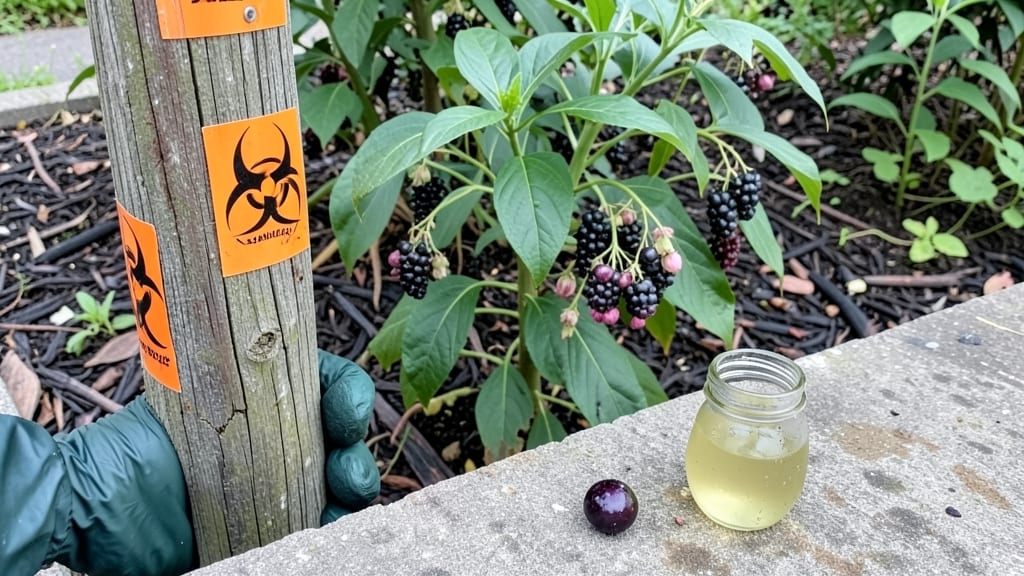
Pokeweed berry poisoning happens when you eat raw or improperly prepared berries, triggering severe stomach pain, nerve damage, and even organ failure. Get emergency care immediately if you suspect poisoning.
Pokeweed berries contain dangerous compounds like lectins and saponins that disrupt your digestive system and nervous functions. 🔥 Even cooking doesn't always neutralize the toxins, so it's crucial to avoid these berries entirely.
The plant's purple-black berries are often mistaken for edible fruits, making accidental poisoning a real risk for foragers and gardeners.
Symptoms typically appear within hours and may include vomiting, dizziness, and muscle weakness. In severe cases, these toxins can lead to long-term organ damage or even be fatal. If you encounter pokeweed in your yard or while foraging, wear gloves and dispose of the plants properly to prevent accidental exposure.
💡 In This Article
- Toxic Compounds in Pokeweed Berries and Their Effects
- Safe Identification and Handling of Pokeweed Plants
Toxic compounds in pokeweed berries and their effects
Pokeweed berries contain three primary toxin groups that trigger poisoning: lectins (like pokeweed mitogen), saponins, and alkaloids. The lectins bind to cell membranes in your digestive tract, disrupting nutrient absorption and causing severe inflammation.
Saponins create soapy, irritating compounds that damage cell walls, while alkaloids interfere with nerve signals, leading to neurological symptoms. These toxins work synergistically—lectins cause immediate stomach distress, while alkaloids create delayed nerve damage that can persist for days. 🔥
The berries' toxicity isn't neutralized by most cooking methods. While boiling can reduce some saponins by 30-40%, lectins remain heat-stable and require prolonged cooking at 212°F for hours to partially break down. Even then, residual toxins can linger.
For comparison, the lethal dose in humans is estimated at just 4-8 berries for children, while adults might tolerate 15-20 berries before severe symptoms appear. The plant's young shoots (when cooked properly) contain far lower toxin levels, but the berries remain dangerous throughout their maturation.
What makes pokeweed particularly insidious is how its toxins target multiple organ systems. Lectins can cause liver and kidney damage by triggering oxidative stress, while alkaloids affect the central nervous system, leading to symptoms like confusion and muscle weakness.
The berries' deep purple-black color comes from anthocyanins, which mask their toxicity visually—making them resemble edible fruits like elderberries or blackberries. This visual deception is why accidental poisonings occur, especially in children attracted to the shiny berries. 💫
Interestingly, the plant's other parts have different toxicity profiles. Young shoots (when cooked thoroughly) were historically used in Southern cuisine, but only after extensive preparation to remove toxins.
The roots contain pokeweed mitogen, a compound studied for its potential cancer-fighting properties in lab settings—but this same compound causes severe poisoning when ingested raw. The key difference lies in concentration: berries contain the highest toxin density, while shoots require proper preparation to become edible.
To put this into perspective, pokeweed poisoning cases often mimic food poisoning from bacteria like salmonella, but with added neurological symptoms. While stomach upset might resolve in 24-48 hours with bacterial infections, pokeweed's nerve damage can persist for weeks.
This delayed recovery is why medical professionals emphasize immediate treatment—even if initial symptoms seem mild. The plant's toxins don't have a known antidote, making prevention through proper identification the only safe approach. ✨
Understanding these chemical mechanisms helps explain why traditional cooking methods often fail. Unlike bacteria that die at 165°F, pokeweed's protein-based toxins require temperatures above 250°F for significant degradation—a threshold most home cooking doesn't reach.
This biological resilience is why health authorities classify pokeweed berries as one of the most dangerous wild plants in North America.