
Pests
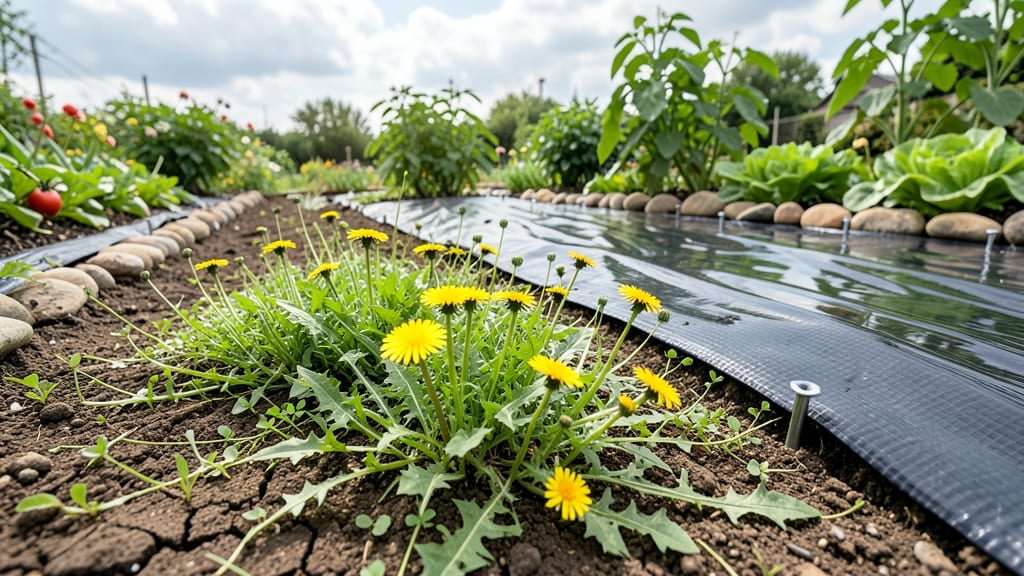
Sheet weeding is an effective method to prevent weeds by using heavy fabric barriers like landscape cloth or cardboard that block sunlight and suppress weed growth in garden beds, cutting manual weeding by up to 90% when installed properly. Always select breathable, UV-stabilized materials for lasting results.
Sheet weeding works by creating a physical barrier that starves weeds of sunlight, their primary energy source. 🌱 Unlike mulch, which only suppresses growth temporarily, fabric barriers like landscape cloth or even thick cardboard can last for years while allowing water and air to penetrate the soil.
The key is choosing materials that won't degrade quickly under UV exposure—opt for heavyweight, UV-stabilized fabrics rated for at least 2-3 years of outdoor use. This method is particularly effective in high-traffic garden areas where weeds thrive, like vegetable beds or pathways.
For best results, install the barrier before weeds have a chance to sprout, typically in early spring. Secure the edges tightly with landscape staples or rocks to prevent light from sneaking in around the borders.
Many gardeners also cut precise holes for their plants before laying the fabric, which helps maintain a clean, weed-free appearance while still allowing your desired plants to thrive.
💡 In This Article
- How Fabric Barriers Stop Weeds from Growing
- Best Materials and Installation Tips for Sheet Weeding
How fabric barriers stop weeds from growing
Weed suppression through fabric barriers relies on two key mechanisms: light deprivation and soil temperature regulation. Weeds need sunlight for photosynthesis—their primary energy source.
When you cover the soil with a heavy fabric like landscape cloth (typically 3-5 ounces per square yard weight), you block 95-99% of sunlight from reaching weed seeds and seedlings. This creates a dark environment where weeds can't grow, effectively starving them before they emerge.
The process is similar to how black plastic mulch works, but fabric allows better airflow and moisture regulation.
The fabric's permeability also plays a crucial role in moisture retention. Materials like UV-stabilized polypropylene (common in landscape cloth) allow 10-20% of rainfall to penetrate while blocking light. This prevents soil from drying out completely, which would stress your plants.
Thicker fabrics (5+ ounces per square yard) work best in hot climates, while lighter options (3 ounces) suffice in cooler regions. The fabric's texture—usually a tightly woven mesh—creates tiny air pockets that reduce soil temperature by 5-10°F compared to exposed soil, further inhibiting weed germination.
What most gardeners overlook is how fabric barriers affect weed seeds already in the soil. Many weed seeds remain dormant until exposed to light. By blocking sunlight, you prevent these seeds from germinating, which is why sheet weeding is most effective when installed before weeds appear in spring.
For example, in a vegetable garden, laying 12-inch-wide fabric strips between rows can reduce weed growth by 80-90% while still allowing you to access plants for harvesting or weeding occasional escapees.
There's a common misconception that all fabric barriers work the same way. Cardboard, for instance, blocks light but decomposes within 6-12 months, making it a temporary solution. In contrast, high-quality landscape fabric can last 3-5 years if properly secured.
The key difference lies in the material's UV resistance and thickness—thinner fabrics (2 ounces) degrade faster under sunlight, while heavier options maintain their integrity longer. For organic gardens, biodegradable fabrics made from jute or coconut fiber break down in 1-2 years, offering a temporary but eco-friendly alternative.
Another critical factor is how the fabric interacts with soil microorganisms. Unlike plastic mulch, which can suffocate soil life, breathable fabrics allow beneficial microbes and earthworms to thrive. This maintains soil health while suppressing weeds.
For example, in a raised bed, using landscape fabric with a 0.5-millimeter mesh size allows water and nutrients to reach plant roots while blocking weed seeds, which are typically 0.1-1 millimeter in size.
The fabric's texture also creates a physical barrier that prevents weed seeds from making contact with the soil.
To maximize effectiveness, combine sheet weeding with other suppression methods. For instance, adding a 2-3 inch layer of mulch over the fabric in perennial beds provides extra insulation against temperature fluctuations. This two-layer approach can extend the fabric's weed-suppressing lifespan by 20-30% while improving moisture retention.
The science shows that consistent light deprivation is the most reliable way to prevent weeds—once you block their energy source, they simply can't survive. 🌿