
Watering
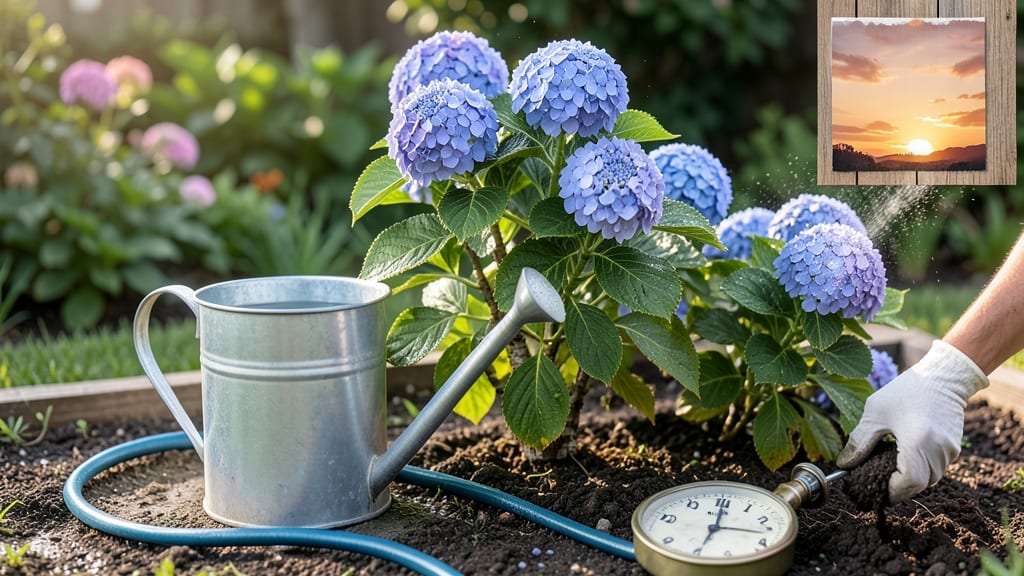
Watering your garden in the morning or evening makes a surprising difference in how your 🌱 General Garden Plants thrive—science shows timing affects everything from root health to fungal risks.
Picture this: your tomato plants wilt midday despite what feels like enough water, while your neighbor’s look lush. The secret? Morning watering lets roots drink deeply before the sun evaporates moisture, but evening watering can trap dampness that invites disease. Which one wins for your Zone 6a garden?
Most gardeners default to morning watering because it reduces evaporation and fungal spores from lingering on leaves. But in humid climates, evening watering might actually help plants recover from daytime heat stress.
The truth? It depends on your plants, soil, and weather—here’s how to pick the best time for your specific garden.
You’ll learn the exact science behind evaporation rates, how mulch changes the game, and why vegetables often need different timing than ornamental plants. Plus, I’ll share my go-to tricks for checking soil moisture and adjusting your routine by season—so you never waste a drop.
Morning vs. evening watering: how timing affects plant health and growth
Deciding whether to water your garden in the morning or evening isn’t just about convenience—it’s a science-backed choice that impacts root health, disease prevention, and even water efficiency. As a gardener, I’ve learned that timing can mean the difference between lush, thriving plants and struggling ones.
The key lies in understanding how evaporation rates, humidity levels, and temperature fluctuations interact with your garden’s needs.
Morning watering, especially before 10 AM, allows water to penetrate deep into the soil, giving roots a steady supply throughout the day. This method also reduces fungal diseases by letting foliage dry quickly.
Meanwhile, evening watering can create a damp environment overnight, inviting pests like slugs and promoting powdery mildew. However, in hot climates, evening watering might be the only feasible option to avoid rapid evaporation.
Here’s how the two approaches stack up in critical areas like water retention, disease risk, and plant stress, backed by horticultural research:
| Factor | Morning Watering | Evening Watering |
|---|---|---|
| Evaporation Rate | Low (cooler temps, less wind) | High (warmer temps, still air) |
| Disease Risk | Low (foliage dries quickly) | High (moisture lingers overnight) |
| Root Development | Optimal (deep penetration) | Surface-level (shallow absorption) |
| Pest Attraction | Minimal (dry foliage) | High (slugs, snails, fungi) |
| Water Efficiency | High (less waste) | Low (more evaporation) |
| Best For | Vegetables, flowers, most plants | Drought-prone areas, extreme heat |
For vegetable gardens and ornamental plants, morning watering is the gold standard. Studies show that plants like tomatoes and peppers develop stronger roots when watered early, reducing blossom-end rot.
However, in arid regions like Arizona or Nevada, evening watering might be necessary to prevent soil from drying out completely by midday.
Another critical factor is temperature stress. Watering in the evening can shock plants in cold climates, causing roots to freeze if nighttime temps drop below 40°F (4°C).
Conversely, morning watering in humid climates can exacerbate leaf spot diseases if foliage stays wet too long. The solution? Adjust based on your USDA hardiness zone and local weather patterns.
If you’re using drip irrigation, morning is ideal—it delivers water slowly to roots while minimizing evaporation. For hand-watering, aim for early morning (6-9 AM) to give plants a full day to absorb moisture.
In summer months, consider splitting watering into two sessions: once in the morning and again in the late afternoon to combat heat stress.
Pro tip: Use a soil moisture meter to check if your garden truly needs water. Many plants, like succulents or lavender, thrive on infrequent deep watering rather than daily shallow sessions. This approach aligns with sustainable gardening practices by conserving water and reducing runoff.
Ultimately, the best time to water depends on your plant types, climate, and garden layout. Start with morning watering as your default, then adjust based on what you observe—wilting leaves, yellowing foliage, or pest activity can signal it’s time to tweak your routine.
Your plants will thank you with healthier growth and better yields! 🌱
Best practices for watering at the optimal time based on plant type
The best time to water your garden depends entirely on the plant type and your local climate. While morning watering often wins for most plants, some species—like succulents or lawn grasses—thrive with evening hydration.
Let’s break down the ideal schedules for common garden residents and how to adjust for seasonal shifts.
For vegetables and herbs, morning watering (before 10 AM) is gold. This gives roots time to absorb moisture before the day’s heat evaporates it. Leafy greens like lettuce and spinach especially benefit from this routine, as wet foliage at night invites fungal diseases like powdery mildew.
- 🌿 Vegetables (tomatoes, peppers): Morning (6-9 AM) – Prevents blossom-end rot
- 🌼 Flowers (roses, petunias): Evening (6-8 PM) – Reduces wilting in heat
- 🪴 Succulents & Cacti: Late morning (10 AM-12 PM) – Avoids rot from overwatering
- 🌾 Lawns (cool-season grasses): Early morning (4-6 AM) – Encourages deep root growth
- 🌵 Tropical plants (bromeliads, ferns): Evening (after 6 PM) – Mimics humid, shaded conditions
In arid climates, watering in the late evening (after 8 PM) can be better for shade-loving plants like hostas or ferns. The cooler temps slow evaporation, so less water is wasted. Just avoid soaking foliage—use drip irrigation or soaker hoses to target roots directly.
For humid regions, morning watering is critical. Excess moisture lingers overnight, creating perfect conditions for pests like slugs and diseases like black spot on roses. If you must water in the evening, finish by 6 PM to allow foliage to dry before nightfall.
Seasonal tweaks matter too! In summer, water early morning to beat the heat. In winter, shift to late morning (after frost) to avoid freezing soil. Always check soil moisture with your finger—if the top 1-2 inches are dry, it’s time to water, regardless of the clock.
Don’t forget mulch! A 2-3 inch layer of organic mulch (like straw or wood chips) retains moisture, so you can water less frequently—just adjust timing based on the plant’s needs.
For example, mulched tomatoes can handle morning watering every other day, while mulched succulents might only need water every 2 weeks.