
Shrubs
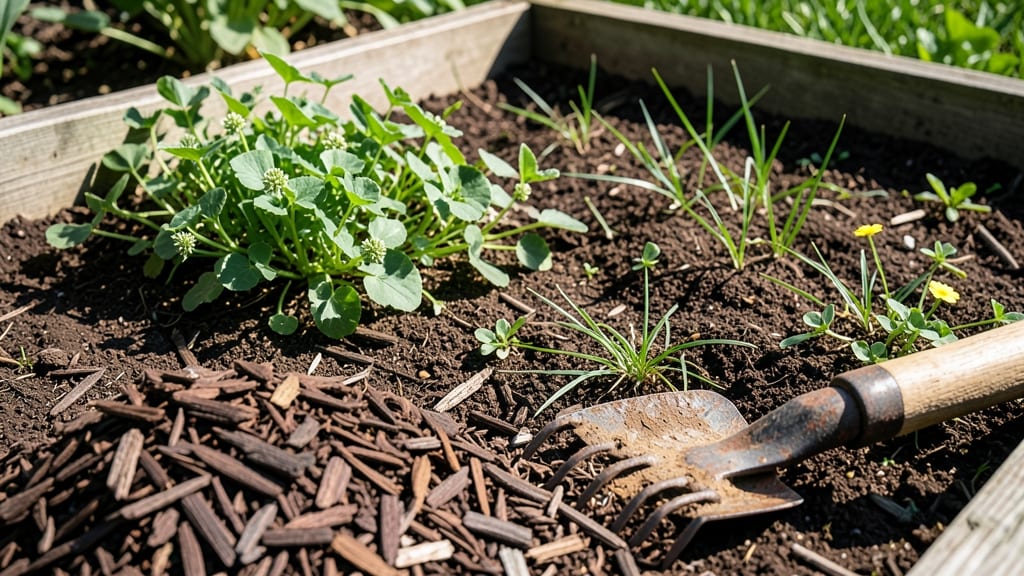
The top weed prevention tip for busy homeowners is applying a 2-3 inch layer of organic mulch—like shredded bark or straw—before weeds sprout. This blocks sunlight, smothers seeds, and retains soil moisture while enriching the garden over time. Reapply annually in spring for best results.
Organic mulch works by creating a physical barrier that starves weeds of the sunlight they need to germinate. 🌱 Unlike chemical herbicides that can harm plants and soil health, mulch improves your garden's fertility over time by breaking down into nutrient-rich compost.
I've found that wood chips and straw are particularly effective because they decompose slowly, giving you long-lasting protection without requiring constant maintenance.
For those short on time, consider using pine straw or cypress mulch—they're lightweight, easy to spread, and break down at a steady pace. Just remember to keep the layer between 2-3 inches thick; anything thicker can suffocate your plants, while thinner layers won't block enough light.
A simple trick I use is to spread mulch after a rain when the soil is damp—it helps the material settle evenly and stick to the ground better.
💡 In This Article
- How Pre-Emergent Mulch Stops Weeds Before They Grow
- Best Mulch Types and Application Tips for Lazy Gardeners
How pre-emergent mulch stops weeds before they grow
Mulch works primarily by blocking sunlight—a process called allelopathy—which prevents weed seeds from germinating. Weeds need at least 4-6 hours of direct sunlight daily to sprout, and a 2-3 inch layer of mulch reduces light penetration by 70-80%.
The darker the mulch (like shredded bark), the more heat it absorbs, creating a hotter microclimate that accelerates seed desiccation. This is why straw or wood chips outperform lighter materials like pine needles.
The science gets even more interesting when you consider soil temperature regulation. Organic mulches like wood chips act as insulators, keeping soil 5-10°F cooler in summer and 5°F warmer in winter than bare soil.
This temperature stability disrupts weed seed dormancy cycles, making them less likely to germinate. Inorganic mulches (like rubber or plastic) don't offer this benefit—they only block light without improving soil health. 🌡️
Thickness matters more than most people realize. A 1-inch layer might reduce weeds by 30%, but 3 inches can suppress them by 90% or more. The catch? Too much (over 4 inches) can smother your plants by cutting off oxygen and moisture.
I've seen gardeners accidentally kill perennials by piling mulch too high—always maintain a 2-inch gap between mulch and plant stems to prevent rot.
Organic mulches also work through competitive decomposition. As they break down, they create a nutrient-rich layer that starves weed seeds of the resources they need. For example, wood chips release slow-release nitrogen over 1-2 years, while straw decomposes faster but provides immediate moisture retention.
This dual action—blocking light while improving soil—makes organic mulches the gold standard for weed control.
One surprising factor is mulch texture. Coarser materials (like cypress mulch) allow more water penetration while still blocking light, whereas fine materials (like shredded leaves) can compact and reduce airflow.
I've found that chop-and-drop mulching (using grass clippings) works well in lawns because it decomposes quickly, but it's less effective in garden beds where you need longer-term suppression.
For maximum effectiveness, combine mulch with a pre-emergent herbicide application in early spring. The herbicide targets dormant seeds, while the mulch prevents new ones from taking hold. This two-step approach can reduce weed pressure by 95% or more in the first season.
The key is timing—apply mulch before weeds sprout, ideally in late winter or early spring when soil temperatures are still cool.