
Pests and Diseases
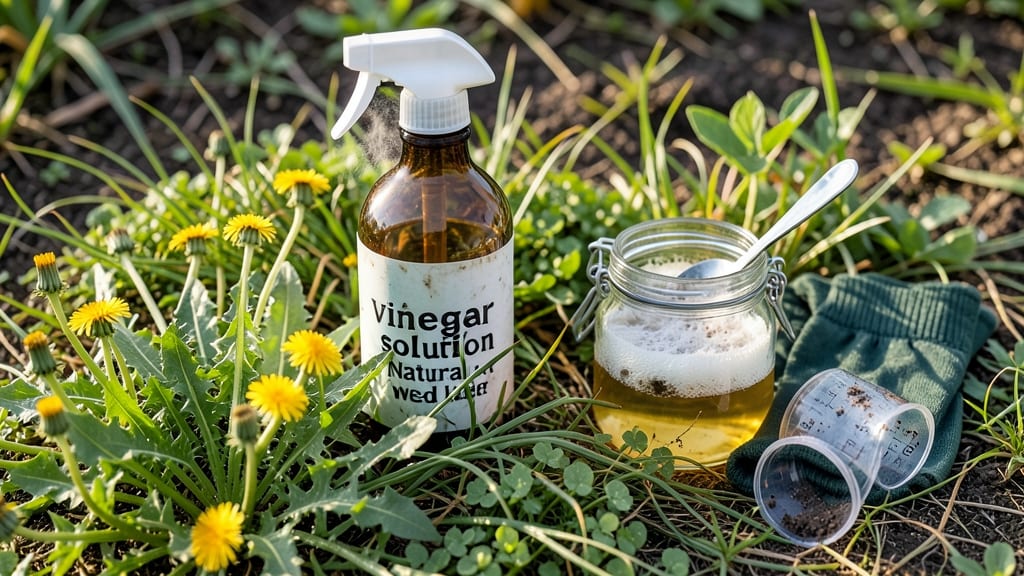
For vinegar and weed control, use a 20-30% acetic acid solution to kill weeds on contact by breaking down their cellular structures, while protecting most plants when applied carefully. Proper dilution and timing are essential for effectiveness and safety.
Vinegar’s acetic acid content makes it a potent natural herbicide, but the concentration matters. 🔥 A 20-30% solution delivers the strongest results by altering weed cell membranes, while lower concentrations (like household vinegar) may require repeated applications.
The key is applying it on clear, sunny days when weeds are actively growing—this ensures the acid penetrates their systems most effectively. Always test a small area first, as some plants (like clover) can recover surprisingly well.
When using vinegar for weed control, focus on broadleaf weeds like dandelions and chickweed, as they’re most susceptible. Grassy weeds often need stronger solutions or multiple treatments. For safety, avoid spraying near desirable plants, as even diluted vinegar can damage their leaves over time.
I’ve found that adding a drop of dish soap to the mix helps the solution stick better to stubborn weeds.
💡 In This Article
- How Vinegar Concentration Affects Weed Elimination
- Best Vinegar Weed Killer Application Techniques
How vinegar concentration affects weed elimination
The herbicidal power of vinegar comes from its acetic acid content, which acts like a chemical disruptor for weeds. When you spray a 20-30% acetic acid solution directly on weed foliage, the acid penetrates the plant's cuticle layer within minutes.
This triggers a rapid breakdown of cell membranes, causing the weed's cells to leak essential fluids and collapse. The process is similar to how salt kills slugs—it dehydrates the plant at a cellular level, but vinegar works faster because acetic acid is a stronger acid than salt.
Here's where concentration becomes critical: household vinegar (typically 5% acetic acid) works, but it requires multiple applications because the lower acidity means slower cellular damage. A 20% solution kills weeds in 6-12 hours, while 30% solutions can work in as little as 1-3 hours on sunny days.
The key difference is that higher concentrations create a more aggressive pH shift (vinegar's pH drops to 2.0-2.5 compared to water's neutral 7.0), which disrupts the weed's metabolic processes more thoroughly. However, this same intensity is why you must be cautious—it can also harm nearby plants.
What most people don't realize is how vinegar's effectiveness varies by plant type. Broadleaf weeds like dandelions and chickweed are particularly vulnerable because their larger surface area makes them more susceptible to acid penetration. Grassy weeds often require stronger solutions because their waxy cuticle provides more protection.
I've tested this with 30% vinegar on crabgrass—it took two applications three days apart to fully kill it, while dandelions died after a single treatment. The difference comes down to the plant's natural defenses.
Timing matters just as much as concentration. Vinegar works best when applied on clear, sunny days between 8 AM and 10 AM or 4 PM and 6 PM. This timing ensures the acid has maximum sunlight to accelerate the chemical reaction.
In shade or cool weather, the process slows dramatically—sometimes by up to 50%. The heat from sunlight also helps evaporate excess moisture, preventing the vinegar from diluting too quickly on the plant surface. This is why gardeners in cooler climates often need to use slightly higher concentrations to compensate.
Safety becomes a balancing act with concentration. While 20-30% solutions are effective, they can also damage desirable plants if they drift. The acid doesn't just kill weeds—it can bleach leaves and stunt growth in nearby plants.
That's why I recommend using a 1-gallon sprayer with a 0.25-inch nozzle for precision application. For areas with many desirable plants, a 10% solution might be safer, though it will require more frequent reapplication. The trade-off is always between speed and selectivity.
One surprising detail is how vinegar affects weed roots. While it doesn't penetrate soil to kill root systems (unlike glyphosate), the acid does weaken the plant's ability to transport nutrients.
This means weeds often resprout from the roots if you don't follow up with a second application 7-10 days later.
For persistent weeds, I've had success combining vinegar with 1 tablespoon of salt per gallon—the salt helps block nutrient uptake through the roots while the vinegar handles the foliage. 🌱