
Lawn
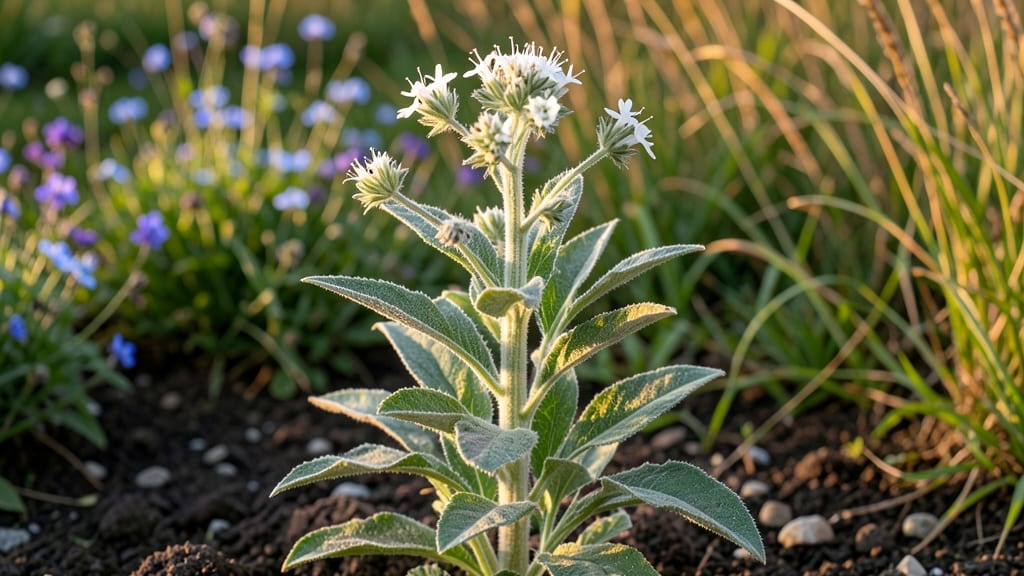
Virginia pepperweed uses focus on its young leaves and tender stems as cooked greens or potherbs, but only after positive identification and careful preparation—never consumed raw or in large quantities due to potential toxicity. Always cook thoroughly and verify local regulations before harvesting.
This wild edible thrives in disturbed soils and contains compounds that can cause mild digestive upset if eaten raw or in excess. Proper cooking neutralizes most risks, transforming its slightly bitter, radish-like flavor into something more palatable. 🌿 I recommend treating it like a wild spinach—using just small amounts in soups or stir-fries until you're certain about your tolerance.
The key is timing: harvest before flowering when the leaves are most tender and nutrient-rich.
Foraging experts often compare its safe preparation to cooking wild mustards—both require thorough heat treatment to break down any potentially harmful compounds. Always cross-reference with local foraging guides, as regional variations in soil and climate can affect edibility.
When in doubt, I err on the side of caution and avoid consumption entirely.
💡 In This Article
- Identifying Edible Parts of Virginia Pepperweed
- Safe Foraging and Cooking Methods for Pepperweed
Identifying edible parts of Virginia pepperweed
The safest edible portions of Virginia pepperweed are its young leaves and tender stems, harvested before the plant flowers. These parts contain the highest concentration of nutrients while being least bitter. The leaves resemble mustard greens but are slightly broader—typically 1-3 inches long with a smooth, slightly waxy texture.
When crushed, they release a faint peppery aroma, a key identification feature that distinguishes them from toxic look-alikes.
Seed pods are not edible and should be avoided entirely. Mature plants develop elongated seed pods that resemble tiny radishes, but these contain higher concentrations of glucosinolates—compounds that can cause mild digestive upset.
The plant's hairy stems and alternate leaf arrangement further help differentiate it from wild radish or mustards, which have smoother stems and opposite leaf patterns. Always harvest from unsprayed areas away from roadsides or agricultural fields, where contamination risks are highest.
Visual identification requires close inspection of the leaf edges, which are typically slightly toothed rather than smooth. The plant's bright green color fades to yellowish-green as it matures, signaling reduced edibility.
Foragers often use the "thumb test"—rolling a leaf between fingers should release a mild sulfur scent without any sharp, acrid odor that would indicate toxicity. 🌿 This sensory check is crucial because visual similarities to poisonous plants like water hemlock can be deadly if misidentified.
Timing matters most when harvesting. The first 6-8 weeks of growth yield the most tender leaves, with a crisp texture similar to young spinach. After flowering, the leaves become fibrous and develop a stronger, more bitter flavor.
Experienced foragers recommend harvesting on cool, dry mornings when moisture levels are lowest, preventing the leaves from wilting too quickly during preparation. This attention to detail ensures both safety and optimal flavor.
One common mistake is confusing Virginia pepperweed with wild radish, which has a distinctive radish-like scent when crushed. While wild radish roots are edible, its leaves contain higher levels of erucic acid—something to avoid in large quantities.
The pepperweed's slightly hairy stems and broader leaf shape (typically 3-5 lobes) serve as key differentiators. Always cross-check with a field guide or local foraging expert before consuming any wild plant.
For visual learners, imagine comparing a pepperweed leaf to a mustard leaf: the pepperweed's edges are more irregularly serrated, while mustard leaves tend to be smoother with a more uniform shape. This subtle difference can mean the difference between a safe meal and a dangerous one.
When in doubt, I always recommend cooking a small test portion first to monitor for any adverse reactions.