
Pruning
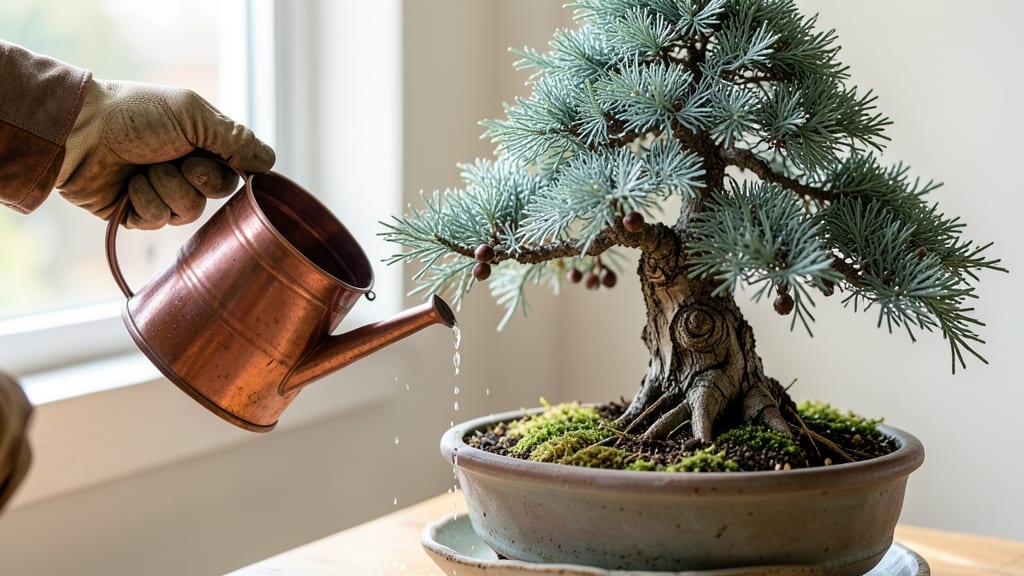
Watering a bonsai juniper 🌲 correctly is the difference between a thriving miniature tree and a sad, needle-dropping mess.
Struggling with your bonsai juniper’s needles turning brown and falling? The secret lies in mastering the delicate balance of watering—too much or too little can devastate this drought-resistant beauty.
Unlike other plants that beg for water, junipers hate soggy roots. They’re built for dry spells, but that doesn’t mean you can skip watering entirely. The key is consistency—soaking deeply when needed while letting the soil dry out between sessions.
In this guide, I’ll walk you through the exact watering schedule for each season, how to spot over- or underwatering, and the best techniques to keep your juniper lush without drowning it.
How often to water bonsai juniper trees (seasonal guide)
Mastering the watering schedule for your bonsai juniper is like finding the perfect rhythm—too much or too little throws everything off. These trees thrive on a soak-and-dry method, where the soil dries out slightly between waterings. The key?
Understanding how seasonal changes, pot size, and humidity levels shift your watering frequency. In my experience, a smaller pot dries faster than a larger one, and high humidity can delay evaporation, while dry air speeds it up.
Bonsai junipers are drought-tolerant, but their fine root systems demand consistent moisture without soggy soil. Overwatering is the #1 killer—it causes root rot and needle drop, while underwatering leads to crispy, brittle foliage.
The trick is to check soil moisture before watering: stick your finger 1 inch deep into the soil. If it feels dry, it’s time to water.
| Season | Watering Frequency | Soil Moisture Check | Environmental Factors |
|---|---|---|---|
| Spring | Every 5-7 days | Top 1 inch dry | Increasing temps, new growth demands |
| Summer | Every 3-5 days | Top ½ inch dry | High heat, low humidity, evaporation spikes |
| Fall | Every 7-10 days | Top 1.5 inches dry | Cooler temps, growth slows |
| Winter | Every 10-14 days | Top 2 inches dry | Dormancy, minimal evaporation |
During spring, your juniper is waking up from dormancy, so increase watering frequency slightly to support new growth. Aim for every 5-7 days, but always check the soil first. Morning watering is ideal—it gives foliage time to dry before evening, reducing fungal risks.
If your juniper is in a plastic pot, it may dry faster than a clay pot, so adjust accordingly.
Summer is the most critical season for bonsai juniper watering. With high temperatures and low humidity, soil dries out quickly. I water mine every 3-5 days, but I monitor closely—if the top ½ inch of soil feels dry, it’s time.
A shade cloth can help reduce evaporation if your tree is in direct sun. Misting the foliage in the early morning also mimics natural dew, but avoid wetting needles at night to prevent disease.
As fall arrives, your juniper’s growth slows, and water needs drop. Reduce frequency to every 7-10 days, letting the soil dry out more between waterings. This prepares the tree for winter dormancy.
If your juniper is outdoors, protect it from frost by moving it to a sheltered spot or bringing it inside. Indoor bonsai may need slightly more frequent watering if humidity is low from indoor heating.
Winter is all about minimal watering. Your juniper is dormant, so water every 10-14 days or when the top 2 inches of soil are completely dry. Overwatering in winter can lead to root rot because cold soil doesn’t drain as efficiently.
If your home is dry from heating, consider using a humidifier nearby to maintain a balanced environment. Outdoor junipers may need even less water—just enough to keep the soil from freezing.
Pot size plays a huge role in watering frequency. A small 4-inch pot dries out in 2-3 days in summer, while a 12-inch pot might last 5-7 days. Always use a pot with drainage holes and a well-draining soil mix (like akadama, pumice, and lava rock).
If you notice water pooling at the bottom after watering, your juniper is at risk of overwatering. Empty the saucer immediately to prevent soggy roots.
Pro tip: Use a moisture meter for accuracy, especially if you’re new to bonsai care. It takes the guesswork out of soil checks. And remember, brown needles often signal overwatering, while yellow or crispy needles mean underwatering.
Adjust your schedule based on your juniper’s response—every tree is unique! With practice, you’ll find the perfect watering rhythm
Signs your bonsai juniper is overwatered or underwatered (and how to fix it)
Your bonsai juniper communicates water stress through subtle but critical signs. Yellowing needles or needle drop often signal overwatering, while dry, crispy foliage screams dehydration. Since junipers are drought-tolerant, their signals are easy to miss if you're not paying close attention to soil moisture and root health.
First, check the soil moisture by inserting your finger 1 inch deep. If it feels damp, hold off on watering—juniper roots need air to breathe. If it's bone dry, it’s time to hydrate.
But beware: root rot from overwatering is a silent killer, often showing up as mushy roots or a foul odor when you repot.
- Lush green needles (if soil drains well)
- Firm, white roots (healthy growth)
- No foul odor from soil
- Yellowing needles (chlorosis)
- Mushy, black roots (root rot)
- Foul smell from over-saturated soil
- Repot in well-draining mix (50% akadama, 30% pumice, 20% lava rock)
- Ensure pot has drainage holes and saucer lifts excess water
- Water only when topsoil is dry (stick test)
- Trim rotted roots with sterilized scissors
- Reduce misting—juniper dislikes wet foliage
- Move to bright, indirect light to speed drying
- Crisp, green needles (if acclimated)
- Lightweight soil (easy to manage)
- No root rot risk
- Dry, brittle needles (crisp to touch)
- Needle drop (especially older needles)
- Soil pulls away from pot edges
- Water deeply until water drains from bottom
- Use room-temperature water to avoid shock
- Increase humidity with pebble trays (not direct misting)
- Soak roots for 10-15 minutes in water
- Adjust watering to every 3-5 days in summer
- Move to shadier spot to reduce evaporation
If your bonsai juniper shows signs of overwatering, act fast. Remove it from the pot and inspect the roots—healthy roots are white or tan, while rotted roots are black and mushy.
Trim away the bad roots with sterilized scissors and repot in a fresh, well-draining mix. For underwatering, focus on deep watering rather than frequent misting, which can encourage fungal issues.
Pro tip: Use a moisture meter to track soil conditions. Aim for 40-60% moisture—any higher risks root rot, and lower means your juniper is thirsty. Adjust your watering routine based on the season: summer demands more, while winter requires patience.
Remember, bonsai junipers thrive on neglect