
Planting
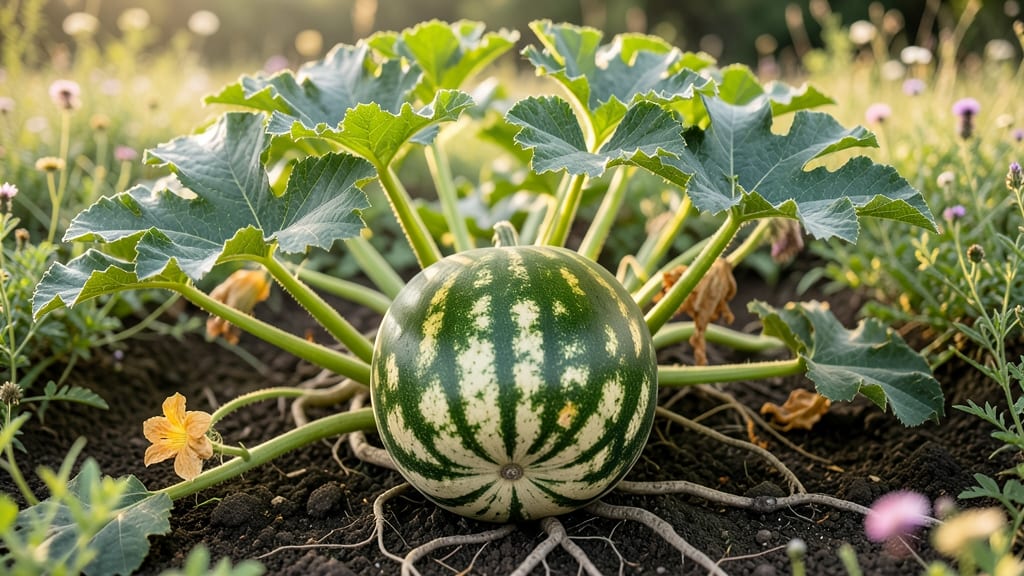
Planting watermelons at the right time during the watermelon planting season is the key to fast germination and a bountiful summer harvest 🍉 — and getting it wrong can mean the difference between juicy fruit and wasted effort.
If you’ve ever waited months for watermelons to ripen, only to watch them turn bitter or rot before harvest, you know the stakes. The secret isn’t just soil or water—it’s the exact planting window that aligns with your climate zone and soil temperature.
In Zone 6a, where most gardeners face a short growing season, timing is everything. Plant too early, and a late frost will kill tender seedlings. Too late, and the vines won’t mature before fall.
Below, I’ll break down the fastest, foolproof planting schedule for your region, plus pro tips to jumpstart germination.
You’ll learn how to check soil temperature, adjust for northern vs. southern climates, and avoid the three biggest mistakes that ruin watermelon seasons—so you can go from seed to slice in record time.

Optimal watermelon planting season by US growing Zones
Timing is everything when growing watermelons—these heat-loving plants need warm soil (75°F+) and frost-free conditions to thrive. Planting too early in cool climates risks seed rot or stunted growth, while late planting in southern zones can lead to overripe fruit before harvest.
Let’s break down the perfect planting windows for USDA Zones 3-11, including regional adjustments for northern vs. southern gardeners.
In colder northern zones (Zones 3-5), watermelons are treated as short-season annuals, often grown in containers or greenhouses for earlier starts. Southern gardeners (Zones 8-11) can plant year-round in mild winters, but spring and fall are ideal to avoid extreme heat stress.
Even in warm climates, soil temperature is the critical factor—never plant until the ground reaches 70°F (21°C).
🌱 Pro Tip: Use a soil thermometer to check depth (2 inches down). If it’s below 70°F, wait—cold soil delays germination and weakens seedlings.
In Zones 3-5, gardeners often extend the season by using row covers or planting in containers near south-facing walls. For example, in Zone 4, I’ve had success with 'Black Diamond' watermelons by starting seeds in biodegradable pots and transplanting after Memorial Day when soil temps stabilize.
Southern gardeners in Zones 9-11 face a different challenge: heat stress. Watermelons planted in peak summer (July-August) may struggle with blossom drop or poor fruit set. To avoid this, I recommend late winter or early fall plantings when temperatures hover around 80-85°F—ideal for germination and pollination.
⚠️ Warning: Never plant watermelons in cool, wet soil. Excess moisture leads to seed rot and fungal diseases like damping-off. Amend heavy clay soils with compost or sand to improve drainage before planting.
For container gardening, choose dwarf varieties like 'Tiny Tim' and plant in 5-gallon pots with well-draining potting mix. Containers warm up faster than garden beds, so you can plant 2-3 weeks earlier than in-ground.
Just ensure pots get full sun (6+ hours) and water deeply every 2-3 days.
Regardless of your zone, test soil pH before planting—watermelons prefer 6.0-6.8. If your soil is too acidic, amend with lime 4-6 weeks before planting. I’ve also
How to time watermelon planting for fastest germination
Timing your watermelon seeds correctly isn't just about avoiding frost—it's about creating the perfect conditions for 70-90% germination success. Watermelons thrive when soil temperatures hit 75°F+ (24°C+), and planting too early can leave seeds rotting in cold soil.
The key? Combine soil preparation, seed treatment, and post-planting care to give your seeds the best possible start.
I’ve learned the hard way that rushing the process—planting before the soil warms—leads to weak seedlings that struggle to compete with weeds. But with the right techniques, you can shave weeks off the germination timeline and get those vines sprawling in record time.
Let’s break down the exact steps to maximize your success.
- 1. Test soil temperature with a soil thermometer—plant only when it hits 75°F+ (24°C+) for 5 consecutive days. Cold soil slows germination and invites rot.
- 2. Soak seeds overnight in lukewarm water to soften the outer shell. This speeds up water absorption and can cut germination time by 3-5 days.
- 3. Adjust soil pH to 6.0-6.8 using lime (to raise pH) or sulfur (to lower pH). Watermelons hate acidic soil, which stunts root growth.
- 4. Plant seeds 1 inch deep in mounded hills (not flat ground) to improve drainage and warmth. Hills also help prevent soil-borne diseases.
- 5. Mulch with straw after planting to retain moisture and heat. A 2-inch layer keeps soil temps stable and reduces evaporation.
- 6. Keep soil consistently moist (not soggy) until germination. Use a spray bottle for gentle watering to avoid displacing seeds.
- 7. Provide shade cloth (30-50%) if daytime temps exceed 90°F (32°C). Seeds can overheat and fail to sprout in extreme heat.
Once your seeds sprout, thin seedlings to 1-2 plants per hill to give them space to grow. I’ve seen watermelon vines double in size within weeks when given proper care—so don’t skip the thinning step! Overcrowded plants lead to smaller fruit and increased disease risk.
Pro tip: If you’re in a short-season climate, opt for fast-maturing varieties like ‘Sugar Baby’ (60 days) or ‘Early Red’ (70 days). These can germinate and fruit before summer’s end, giving you a harvest even in cooler regions.
Pair them with black plastic mulch to warm the soil faster—it can add 2-3 weeks to your growing season!
Remember, watermelons are heat-loving annuals, and rushing their timeline often backfires. By following these steps, you’ll give your seeds the best shot at fast, uniform germination and set your vines up for a bountiful harvest. 🌱