
Flowers
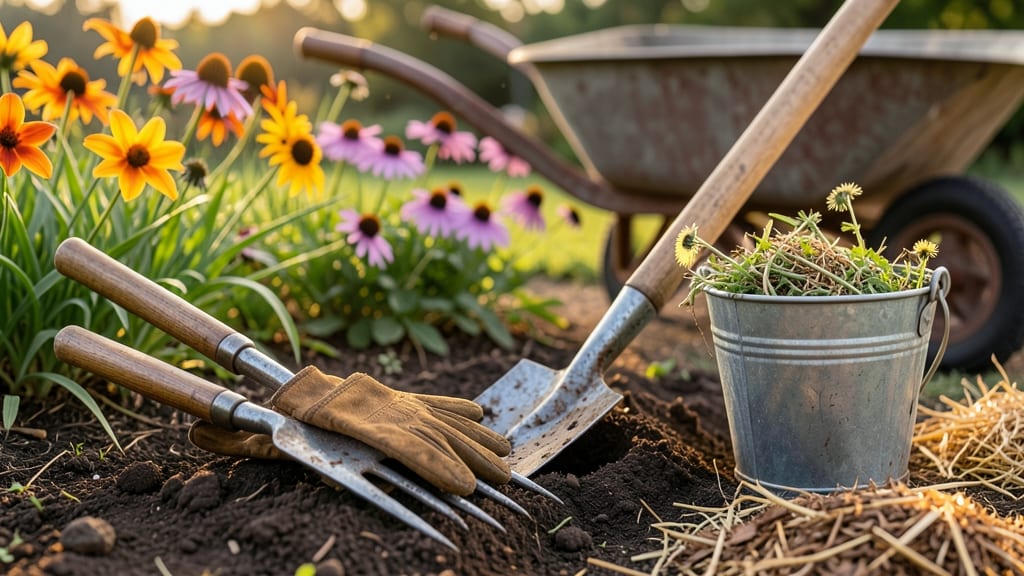
Pulling weeds from a flower bed by the roots isn’t just about clearing clutter—it’s about creating a permanent blockade against future invasions. 🌱 I learned the hard way that surface weeding only delays the battle; the real victory comes when you cut roots deep enough to starve weeds for good.
This method transforms your flower bed from a battleground into a peaceful paradise where blooms—not weeds—thrive.
The secret weapon? A combination of the right tools—a sturdy d-handle hoe, garden gloves, and a weeding knife—used at the right time. Early spring and fall are ideal because weeds are actively growing but haven’t yet developed deep root systems.
You’ll work faster, pull cleaner, and see results that last through the next growing season.
What you’ll achieve is a flower bed where weeds struggle to return, giving your plants space to spread their roots and show off their vibrant colors. The key is patience: spend 20-30 minutes now to save hours of frustration later. Your future self—and your flowers—will thank you.
This technique works for any flower bed, from formal borders to wild, cottage-style gardens. The only rule? Never skip the root-cutting step. Here's how to make it happen without the backache or the regrets.
📚 In This Guide
- What you need
- Instructions
- Tips and common mistakes
- Wrapping up and next steps
What you need
- ● Hand Weeder (Dandelion or Stainless Steel) – 1 (for precision root removal).
- ● Garden Hoe (Adjustable or Standard) – 1 (for cutting weeds at the soil line).
- ● Garden Gloves (Heavy-Duty, Breathable) – 1 pair (to protect your hands from thorns and dirt).
- ● Pruners (Bypass or Anvil) – 1 pair (for trimming stubborn weed tops).
- ● Kneeling Pad or Small Stool – 1 (for comfort during long sessions).
- ○ Garden Twine or Mulch Fabric (Optional) – 1 roll (to smother weeds long-term).
- ○ Compost or Mulch (Optional) – 1-2 bags (to nourish your flower bed post-weeding).
- ● 🌡️ Work on a dry, sunny day—weeds pull easier when the soil is firm.
- ● ✨ Use a sharp hoe—dull tools crush weeds, leaving roots to regrow.
- ● 🎯 Focus on young weeds—they’re easier to remove than mature ones.
- ● Wear closed-toe shoes (rocks and roots are sneaky!).
- ● Check for pests or wildlife before digging (especially in early morning).
- ● Have a bucket or bag handy to collect weeds (don’t compost them—they’ll regrow!).
Step-by-Step instructions for weeding a flower bed with precision
Here's how to eliminate weeds permanently—not just the tops, but the roots—so your flower bed stays pristine.
✂️ Step 1: Identify and Mark Target Weeds
Walk your flower bed and spot weeds by their telltale differences: thin stems, no flowers, and leaves that look nothing like your cultivated plants. I like to use a white garden flag or a small stick to mark each weed's location—this prevents missing any hidden roots later. Focus on broadleaf weeds like dandelions and clover first; they spread aggressively.
Look for new weed sprouts near existing ones—this often means a hidden root system. If you see a cluster, you're dealing with a colony, not just one plant. Grab a small trowel or your fingers to gently lift soil and check for underground runners. This is where most weeds hide their secrets.
🌱 Step 2: Dig Out Roots Completely
Use a hand trowel or dandelion weeder to dig around the weed's base, working the blade in a circular motion to loosen the soil. The goal is to expose the entire root system—even a tiny fragment left behind will regrow. You'll know you've got it all when you can lift the weed out cleanly with no resistance.
Pull upward firmly but steadily—don't yank. If the weed resists, it's still attached to roots. For stubborn weeds like bindweed, I sometimes use a pair of pliers to grip the root and twist it free. Always check the soil for broken root pieces; if you find any, dig deeper to remove them completely.
💧 Step 3: Apply a Natural Weed Barrier
Once weeds are gone, spread a thick layer of mulch (2-3 inches) or cardboard covered with compost over the bed. This blocks sunlight, which weeds need to germinate. I prefer shredded hardwood mulch because it breaks down slowly and improves soil over time. Avoid plastic sheets—they suffocate soil and prevent water from reaching your flowers.
For areas where weeds keep popping up, I lay down landscape fabric first, then add mulch on top. This creates a permanent barrier that lasts years. Just be sure to cut holes in the fabric for your flower plants so their roots can breathe. Water the bed lightly after applying mulch to help it settle.
☀️ Step 4: Monitor and Maintain
Check your flower bed weekly for new weed sprouts, especially after rain. Early detection is key—tiny weeds are easier to pull than established ones. I keep a small bag nearby to collect weeds as I find them, so I don’t accidentally drop seeds back into the bed.
If weeds persist in certain spots, it’s a sign of poor soil quality. Amend the area with compost or organic matter to crowd out weeds naturally. Healthy flowers with strong roots will outcompete weeds for space and nutrients. Over time, your flower bed will become a weed-free sanctuary.
Tips & tricks for permanent weed elimination
Took me years to figure out these tricks for actually eradicating weeds—not just hiding the problem. Here's what nobody tells you about the real work.
Root Detection Secret: In Step 1, when you spot clusters of weeds, dig deeper than you think you need to. Many weeds like dandelions send out long taproots that can extend 12-18 inches deep. I've pulled roots that were 3 feet long—what looked like a single weed was actually a colony. Use your fingers to feel for resistance; if you hit a hard spot, that's likely the root. For stubborn ones, a butter knife works surprisingly well to pry at the base without breaking the root.
Tool Upgrade: The right tool makes all the difference in Step 2. While a hand trowel works, I recommend a dandelion weeder with a forked end—it grips roots better than a straight blade. For thick weeds, add a pair of locking pliers to your toolkit. The key is to get leverage on the root without bending the tool. I keep a small bucket nearby to toss weeds and roots as I pull them to avoid accidentally dropping seeds back into the bed.
Mulch Layer Strategy: When applying that 2-3 inch mulch layer in Step 3, don't just dump it randomly. First, rake the soil smooth to eliminate any air pockets. Then, create a 1-inch border of bare soil around your flowers before adding mulch. This makes it easier to spot new weeds sprouting at the edges. For areas with persistent weeds, I double up with cardboard first, then mulch—this creates a true barrier that blocks light completely. Just remember to cut holes for your plants' roots.
Weekly Inspection Hack: Make your weekly checks in Step 4 more effective by combining them with watering. After you water, weeds will plump up and become easier to spot against the damp soil. I also do a quick "glove test"—wear gardening gloves and run your hands over the mulch surface. Any rough spots or resistance likely means a new weed sprouting. This tactile check catches weeds before they get established.
Pro Tips for Weed A Flower Bed
- Took me years to figure out these tricks for actually eradicating weeds—not just hiding the problem. Here's what nobo...
- Root Detection Secret: In Step 1, when you spot clusters of weeds, dig deeper than you think you need to. Many weeds ...
- Tool Upgrade: The right tool makes all the difference in Step 2. While a hand trowel works, I recommend a dandelion w...
Frequently asked questions
Got questions about tackling weeds in your flower bed like a pro?
You’re in the right place! Here are answers to the most common concerns—so you can weed with confidence and keep your garden thriving.
What’s the best time of day to weed a flower bed?
Early morning or late afternoon are ideal—when the soil is moist (helps pull weeds easily) but the sun isn’t scorching. Avoid midday heat, which can stress you and dry out the weeds, making them harder to remove. Pro tip: If weeds are deeply rooted, water the area the night before for even better results!
How often should I weed my flower bed?
Consistency is key! Aim to weed once a week during active growing seasons (spring and summer) to prevent weeds from seeding. In fall/winter, reduce to every 2–3 weeks unless you see aggressive regrowth. Think of it like a garden workout—short, frequent sessions beat one grueling marathon!
What are some natural alternatives to digging out weeds?
If manual removal feels tedious, try these eco-friendly swaps:
- Vinegar spray: Mix 1 gallon white vinegar + 1 cup salt + 1 tbsp dish soap. Spray directly on weeds (avoid desirable plants—it’s non-selective!).
- Mulch: Apply 2–3 inches of organic mulch (straw, wood chips) to block sunlight and smother weeds long-term.
- Boiling water: Pour on stubborn weeds like dandelions (test a small area first to avoid damaging flowers).
Why do weeds keep coming back after I pull them?
Weeds often return because of roots or seeds left behind. To break the cycle:
- Use a dandelion digger or fork to extract all root fragments (even tiny pieces regrow!).
- Rake up debris immediately—don’t compost weed-filled clippings (they spread seeds).
- Prevent future growth with a pre-emergent herbicide (like corn gluten meal) in early spring.
Can I still weed if I have pets or kids around?
Just take precautions:
- Avoid chemical herbicides—stick to manual methods or pet-safe vinegar sprays (rinse plants afterward).
- Wear gloves and wash hands post-weeding to remove any residue.
- Teach kids to help with shallow weeds (supervised) using child-sized tools.
Wrapping up and next steps
Transforming your flower bed into a lush, weed-free paradise is totally within reach! 🌸 By mastering the right tools, techniques, and timing—like root-cutting precision and smothering layers—you’ll create a long-term barrier that weeds won’t stand a chance against.
Remember, consistency is key, so schedule regular check-ins to keep your garden thriving.
Now that you’re armed with the know-how, roll up your sleeves and get started! Pick a sunny day, gather your supplies, and turn those pesky weeds into a thing of the past. Your future self—and your blooming flowers—will thank you! 🌱✨