
Tools
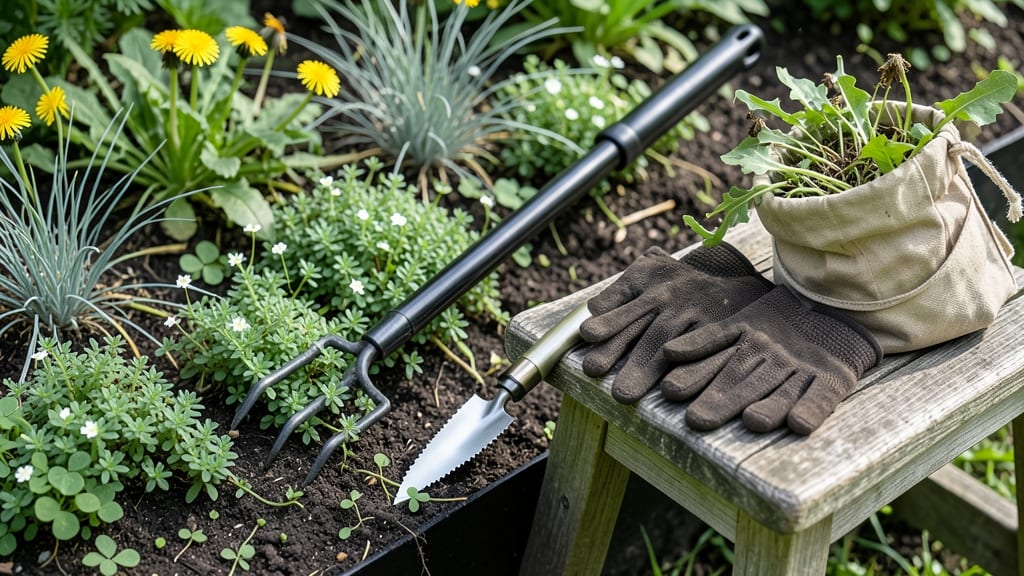
Selecting the best weed clearing garden tool depends on root depth and soil conditions: lightweight hand tools like dandelion diggers excel with shallow-rooted weeds, while robust options such as scuffers or weed pullers tackle deep, persistent roots effectively. Pay attention to blade material and handle ergonomics to ensure long-lasting performance.
Weed clearing tools aren't one-size-fits-all—they're designed to match specific challenges. 🔥 For example, a dandelion digger with its long, narrow blade excels at extracting deep taproots without disturbing surrounding plants, while a scuffer with its rotating blades aerates compacted soil and chops weeds at the surface.
The right choice often comes down to whether you're dealing with isolated weeds or large patches, as well as how much physical effort you're willing to invest.
I always recommend testing a few options in your garden first to see what feels most natural—ergonomics play a surprisingly big role in how much you'll actually use your tool.
Your soil type also dictates tool performance.
Clay soils benefit from heavy-duty tools with sharp blades that can cut through dense roots, while sandy soils often respond better to lighter tools that won't compact the loose soil further. Ergonomic handles with non-slip grips become especially valuable when working long hours, as they reduce hand fatigue.
I've found that stainless steel blades hold up best against rust and corrosion, making them worth the slightly higher initial cost for gardeners who want tools that last seasons.
💡 In This Article
- How Different Weed Tools Target Stubborn Roots
- Best Weed Clearing Tools for Garden Soil Types
How different weed tools target stubborn roots
The battle against weeds begins at the root level, and different tools employ distinct mechanical advantages to tackle specific root structures. Taproots like dandelions require tools with leverage and precision, which is why dandelion diggers excel.
Their long, narrow blades (typically 12-18 inches) create a fulcrum effect when pressed down, allowing you to pry out roots up to 12 inches deep without excessive force. The serrated edges grip the root like a vice, preventing it from breaking off and regrowing.
This design mimics how a crowbar works—focused pressure at a single point to separate stubborn roots from the soil matrix.
For fibrous root systems like crabgrass or clover, tools with rotating blades or tines work better by chopping roots at the surface while aerating the soil. Scuffers, for example, use spiked or serrated wheels that spin at 150-200 RPM to sever roots while loosening compacted soil.
This high-speed action creates tiny air pockets that improve drainage and reduce future weed germination. The key difference here is that scuffers don't extract roots—they disrupt their growth cycle by preventing photosynthesis in severed shoots, which is why they're ideal for large garden areas where complete root removal isn't practical.
Heavy-duty tools like weed pullers with hydraulic or gear-driven mechanisms take a different approach by combining leverage with mechanical advantage. These tools can exert 50-100 pounds of force to extract roots up to 18 inches deep, making them perfect for perennial weeds like bindweed or thistle.
The secret lies in their pivoting blades that pivot around a fixed point, similar to how a seesaw works—your effort is multiplied by the tool's design. For gardeners with back issues, this can mean the difference between a manageable task and a painful one.
Soil aeration becomes an unexpected benefit when using certain tools. Tools with wide, flat blades or tines (like broadforks) create vertical channels in the soil, allowing water and air to penetrate deeper. This not only weakens weed roots by starving them of oxygen but also improves your garden's overall health.
The trade-off? These tools require more physical effort—typically 15-20 minutes per square yard—but the long-term payoff is reduced weed pressure and healthier plants. I've seen gardens where regular aeration with a broadfork reduced annual weed growth by 40% over two seasons.
Material science plays a crucial role in tool performance. Stainless steel blades resist rust and corrosion, especially important in humid climates where tools spend time exposed to moisture. Carbon steel blades are sharper initially but require frequent oiling to prevent rust.
The weight distribution matters too—tools with balanced centers of gravity reduce fatigue during long sessions. For example, a well-designed dandelion digger should feel like an extension of your arm, with minimal vibration when working through compacted soil.
One often-overlooked factor is how tools interact with different root diameters. Thin, fibrous roots (1-3mm thick) are best handled by tools with fine serrations or rotating blades**, while thick taproots (> 5mm diameter) need the penetrating power of long, rigid blades.
The right tool doesn't just remove weeds—it prevents regrowth by targeting the root's vulnerability. For instance, a tool that breaks taproots will leave behind root fragments that can sprout new plants, while one that extracts them whole eliminates the problem completely.
Here's what to remember: For isolated weeds, precision tools like diggers win. For large areas, aerating tools like scuffers save time. And for deep perennials, leverage-based tools are non-negotiable. The right choice transforms weed clearing from a chore into an effective garden maintenance strategy. 🌱