
Mower
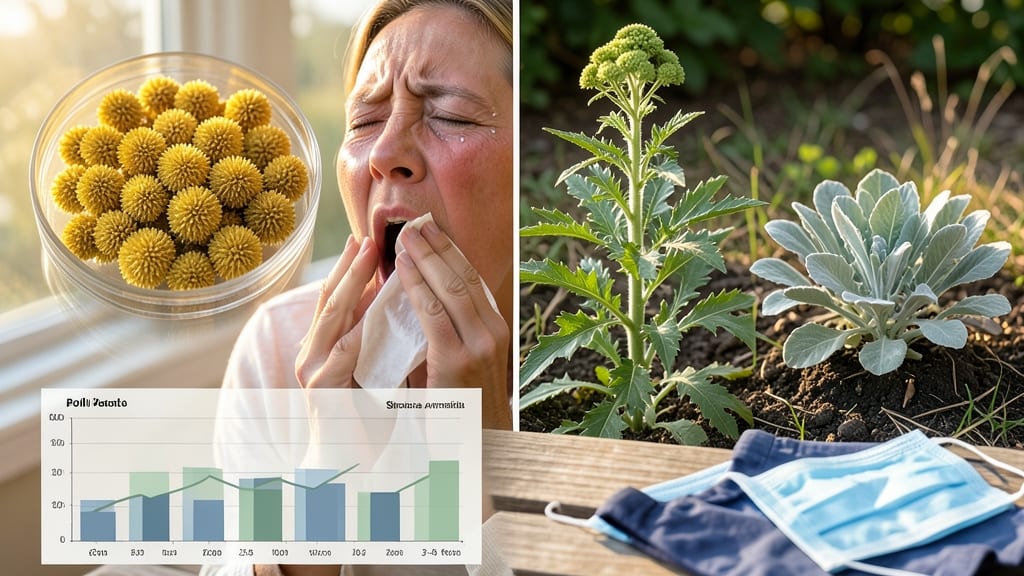
Weed pollen allergy symptoms typically cause sneezing fits, itchy or watery eyes, nasal congestion, and scratchy throat sensations, often peaking in late summer and early fall when pollen counts surge. Unlike ragweed allergies, these reactions tend to flare up earlier in the season and may include skin rashes or fatigue, requiring specific allergy management.
These reactions happen when your immune system overreacts to weed pollen proteins, triggering histamine release that causes inflammation in your nasal passages, eyes, and throat. 🌿 Unlike ragweed allergies—which usually hit hardest in September—weed pollen allergies often start bothering you as early as July, especially in regions with abundant grasslands or agricultural areas.
The key difference lies in pollen structure: weed pollen grains are larger and stickier, which means they linger in the air longer and can travel farther, making symptoms more persistent.
If you're dealing with these symptoms, antihistamines like cetirizine or loratadine can help, but some people need stronger solutions like nasal corticosteroids. Always check with your doctor before trying new treatments, especially if symptoms include wheezing or chest tightness, which could signal asthma triggered by pollen exposure.
💡 In This Article
- How Weed Pollen Triggers Allergic Reactions
- Differentiating Weed Pollen Allergies From Ragweed: Key Signs
How weed pollen triggers allergic reactions
When weed pollen enters your body, it acts like an unwelcome intruder that sets off your immune system's alarm bells. The pollen contains specific proteins—like Bet v 1 in ragweed or Phl p 5 in timothy grass—that your immune system mistakenly identifies as harmful.
These proteins bind to IgE antibodies on mast cells and basophils, triggering a cascade that releases histamine and other inflammatory mediators. This process causes blood vessels to leak fluid, leading to that classic allergic response: swelling, itching, and mucus production.
The size and shape of weed pollen grains play a huge role in how severe your reaction becomes. Weed pollen is typically 20-50 microns in diameter—larger than ragweed pollen (10-20 microns) but smaller than grass pollen (30-100 microns).
This size range allows weed pollen to stay airborne for hours after release, while also clinging to surfaces like clothing or furniture. 🌬️ The sticky surface proteins also help pollen adhere to your nasal passages and eyes, prolonging exposure and symptom duration.
In contrast, ragweed pollen's smaller size lets it travel farther but settles more quickly.
What makes weed pollen allergies particularly troublesome is their seasonal timing. Unlike ragweed—which peaks in late August to October—weed pollen levels start climbing as early as June or July, especially in regions with abundant broadleaf weeds like lamb's quarters or pigweed.
These plants release pollen continuously throughout the day, with peak concentrations between 5:00 AM and 10:00 AM, when humidity is high and winds are calm. This early-season onset often catches people off guard, leading to prolonged symptoms if not managed properly.
Your body's reaction isn't just limited to your nose and eyes. The same immune response can trigger systemic inflammation, which might explain why some people experience fatigue, headaches, or even skin reactions like hives or eczema flare-ups. This happens because histamine affects multiple body systems, not just the respiratory tract.
The key difference from ragweed allergies lies in the protein structures: weed pollen contains unique proteins that can cross-react with certain foods (like melons or bananas), adding another layer of complexity to symptom management.
To understand why symptoms feel worse on certain days, consider the pollen count scale. Levels above 50 grains per cubic meter are considered moderate, while anything over 150 grains is high—think of it like a smog alert for allergies.
Weather plays a critical role: dry, windy days blast pollen into the air, while rain can temporarily reduce counts by washing pollen from the atmosphere. However, the next day often sees a rebound as plants release even more pollen to compensate.
This is why allergy sufferers often experience a "double whammy" effect during dry spells.
If you're someone who notices symptoms worsening after eating certain foods, you might be experiencing oral allergy syndrome (OAS). This occurs when proteins in weed pollen cross-react with similar proteins in raw fruits or vegetables, like apples, peaches, or celery.
The reaction is usually mild—tingling or itching in the mouth—but it's a clear sign your immune system is overreacting to multiple triggers. 🍎 This cross-reactivity is more common with weed pollen than ragweed, adding another layer to why your symptoms might feel more complex.