
Vegetables
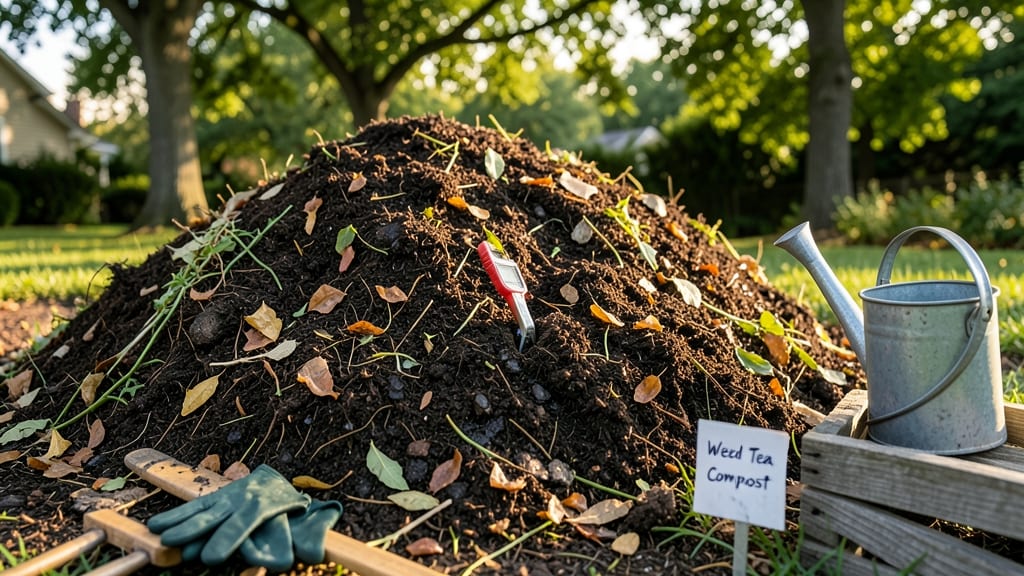
Reusing weed tea leaves after brewing improves garden soil by enriching it with organic matter, beneficial microbes, and leftover nutrients while also helping retain moisture and discourage unwanted plants. Just dry them out and either mix them into compost or sprinkle them directly onto garden beds.
Weed tea leaves aren't waste—they're a nutrient powerhouse for your garden. After brewing, these leaves still contain valuable minerals like nitrogen and potassium, which gradually release into the soil. 🌱 The fibrous texture also breaks down slowly, creating a sponge-like environment that holds water better and keeps roots cool.
I've noticed my tomato plants thrive when I work dried leaves into the soil before planting season, thanks to this extra boost of organic material.
For best results, avoid piling them too thickly—just a thin layer or mixed into compost works wonders. The key is balance: too much can create a mat that blocks air and water, while the right amount feeds your soil without smothering it.
This method is especially useful for vegetable gardens, where nutrient-rich soil makes all the difference in flavor and yield.
💡 In This Article
- How Weed Tea Leaves Improve Soil Microbes and Nutrient Cycling
- Step-by-Step Guide to Repurposing Brewed Weed Leaves in Gardens
How weed tea leaves improve soil microbes and nutrient cycling
Weed tea leaves act like a natural soil probiotic when composted or worked into garden beds. The fibrous structure provides a perfect habitat for decomposers like bacteria and fungi, which break down the cellulose and lignin into humus—a dark, crumbly substance that improves soil structure.
These microbes also release enzymes that convert complex organic matter into plant-available nutrients like nitrogen and phosphorus, creating a slow-release fertilizer that synthetic options can't match.
One key benefit is the nitrogen boost—studies show weed tea leaves contain about 1.5-2.5% nitrogen by dry weight, which helps feed soil microbes and plants over time. The potassium content (typically 0.5-1.0%) also strengthens plant cell walls, making crops more drought-resistant.
Unlike synthetic fertilizers that provide quick but temporary nutrient spikes, composted weed leaves create long-term soil fertility through gradual mineralization.
The physical texture matters too. Dried leaves create air pockets in the soil, improving aeration while their fibrous network holds 3-5 times more water than loose soil. This moisture retention is especially valuable during dry spells, reducing the need for irrigation.
The slow breakdown process also prevents nutrient runoff, unlike fast-acting chemical fertilizers that often wash away with rain.
Weed tea leaves also suppress weeds naturally by blocking sunlight and outcompeting unwanted plants for resources. The allelopathic compounds in some weeds (like comfrey or nettle) can inhibit seed germination, giving your desired plants a competitive edge.
This dual benefit—nutrient cycling and weed control—makes reused weed tea leaves one of the most efficient garden amendments available.
For best microbial activity, mix the dried leaves with other compost materials like kitchen scraps or straw. The carbon-to-nitrogen ratio should ideally be around 30:1 to keep the pile from becoming anaerobic.
I've found that adding a handful of finished compost to the mix jumpstarts decomposition by introducing established microbial colonies.
What most gardeners don't realize is that the beneficial microbes from weed tea leaves persist in the soil for months after application. These microorganisms form protective biofilms around plant roots, enhancing nutrient uptake and disease resistance.
The result is healthier plants with stronger immune systems that can better withstand environmental stresses.
The science behind this is fascinating: as the leaves decompose, they create a microhabitat where beneficial bacteria like Bacillus subtilis thrive. These microbes produce antibiotics that suppress harmful pathogens while releasing growth hormones that stimulate root development.
This microbial ecosystem is what transforms ordinary soil into a thriving, nutrient-rich growing medium.