
Pests
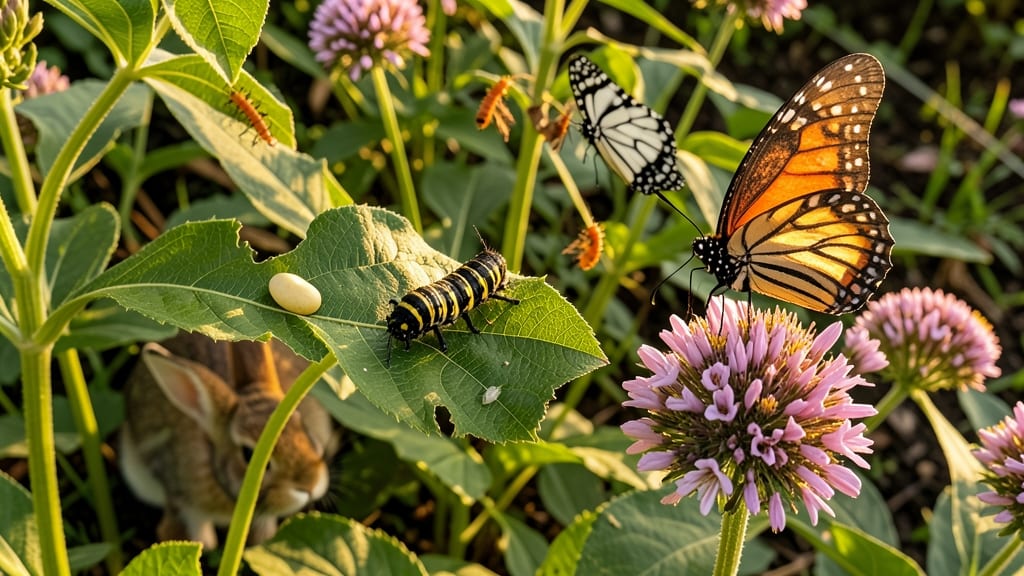
Animals that eat milkweed include monarch butterflies, caterpillars, rabbits, deer, and some rodents, as its leaves and sap provide essential nutrients or toxins they’ve evolved to tolerate or avoid. The plant’s unique chemistry also deters many predators while supporting specialized species.
Milkweed’s role in nature is fascinating because its toxic compounds—like cardiac glycosides—actually attract specific wildlife while repelling others. 🌿 Monarch caterpillars, for example, thrive on milkweed because they’ve developed resistance to these toxins, which later make them unappetizing to predators.
Meanwhile, deer and rabbits often nibble on younger leaves when other food sources are scarce, showing how adaptability plays a role in survival. This plant isn’t just food; it’s a survival tool for certain species, shaping ecosystems in unexpected ways.
Interestingly, milkweed’s toxicity isn’t always a drawback. The toxins can make herbivores less palatable to predators, creating a natural defense system. For instance, monarch butterflies store these compounds in their bodies, making them taste bad to birds.
This adaptation highlights how milkweed supports biodiversity by offering both nourishment and protection to its specialized consumers.
If you’re considering planting milkweed in your garden, you’ll attract not just monarchs but also bees, hummingbirds, and other pollinators. The key is choosing the right variety for your climate—some species flourish in dry conditions, while others prefer moist soil.
Pairing milkweed with native wildflowers can further enhance its benefits for local wildlife.
💡 In This Article
- How Milkweed’s Toxins Shape Animal Diets
- Gardening with Milkweed: Attracting Beneficial Wildlife
How milkweed’s toxins shape animal diets
Milkweed’s toxicity isn’t a flaw—it’s a survival strategy. The plant produces cardiac glycosides, a group of compounds that disrupt the sodium-potassium pumps in animal cells, causing heart arrhythmias in predators.
Yet, monarch caterpillars have evolved specialized enzymes that detoxify these compounds, allowing them to thrive on milkweed’s bitter, milky sap.
This adaptation is so precise that monarchs can store up to 0.1% of their body weight in cardiac glycosides, making them unpalatable to birds like blue jays and even some mammals.
The evolutionary arms race doesn’t stop there. Deer and rabbits, for instance, often avoid mature milkweed but may graze on young shoots when other forage is scarce. Their digestive systems can process small amounts of cardiac glycosides, though excessive consumption leads to digestive upset or lethargy.
Interestingly, milkweed’s toxins can even alter the behavior of insects like aphids, which typically avoid the plant unless starving—proving that toxicity isn’t just a defense but a behavioral regulator in ecosystems.
What’s truly remarkable is how milkweed’s chemistry creates a two-way street for survival. While the toxins deter most herbivores, they also make milkweed-eating species like monarchs less vulnerable to predation.
For example, a study found that 86% of blue jays rejected monarch butterflies after tasting them, compared to just 10% rejection rate for non-milkweed-fed butterflies. This chemical camouflage is a prime example of apostatic selection, where predators learn to avoid certain prey based on their diet.
Not all milkweed-eating animals rely on detoxification. Some, like the queen butterfly (Danaus gilippus), have developed a tolerance rather than full resistance, allowing them to feed on milkweed without storing toxic levels.
Meanwhile, mammals like rabbits and deer often rotate their diets to avoid overloading on cardiac glycosides, showing how even generalists adapt to milkweed’s challenges. This diversity in adaptation highlights why milkweed isn’t just a food source but a keystone plant in many habitats.
Even the milkweed’s sap plays a role in this dynamic. The sticky, latex-like substance isn’t just a deterrent—it can smother small insects and trap others, adding another layer of defense.
Yet, monarch caterpillars have evolved specialized mouthparts to pierce the leaves and extract nutrients without getting overwhelmed by the sap’s stickiness. This level of specialization is rare in nature and underscores how deeply intertwined milkweed and its consumers are.
For gardeners, understanding these adaptations can transform how you view milkweed. Planting it isn’t just about supporting monarchs—it’s about fostering an ecosystem where toxic defenses become survival tools for specialized species.
The plant’s ability to shape animal behavior and physiology makes it one of nature’s most fascinating case studies in co-evolution. 🌱