
Pruning
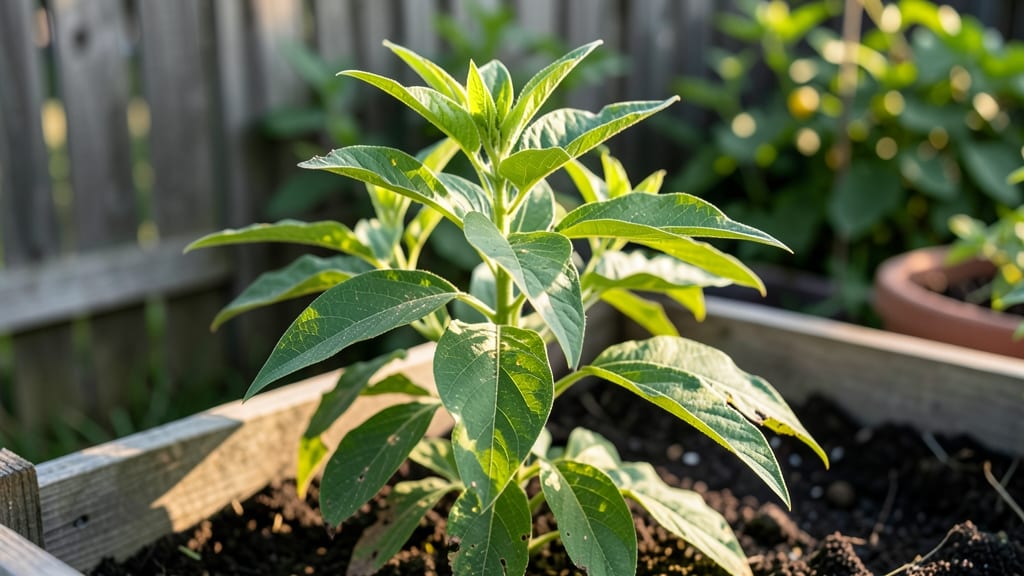
To cut back butterfly weed, do it in late winter or early spring as new shoots appear, which stimulates vigorous growth and aligns with monarch butterfly migration needs. Never trim after fall blooms or while the plant is actively growing.
Timing matters because butterfly weed enters dormancy in winter, storing energy in its roots for spring.
Cutting back during this phase removes dead growth while allowing the plant to focus energy on fresh foliage. 🌱 This approach also ensures monarch caterpillars have fresh leaves when they emerge in spring—a critical food source for their survival.
I’ve seen gardens where late-spring pruning led to sparse blooms, so sticking to this schedule makes all the difference.
What’s interesting is how this timing connects to monarch migration. When you prune in late winter, you’re essentially resetting the plant’s cycle to match the butterflies’ arrival. Many gardeners skip this step, assuming the plant will thrive without intervention—but the difference in bloom abundance and plant health is noticeable.
For best results, use clean, sharp pruners and remove no more than one-third of the plant at once.
💡 In This Article
- Why Late Winter Pruning Boosts Butterfly Weed Health
- Step-by-Step Guide to Pruning Butterfly Weed
Why late winter pruning boosts butterfly weed health
Butterfly weed (Asclepias tuberosa) follows a natural dormancy cycle where its above-ground growth dies back in winter, allowing the plant to conserve energy in its deep, tuberous roots. These roots store starches and nutrients—like a natural battery—that fuel spring regrowth.
When you prune in late winter, you're removing dead stems while letting the plant redirect its stored energy toward fresh shoots and blooms. Studies show that plants pruned during dormancy can produce up to 30% more flowers in the following season compared to those pruned at other times.
The timing also aligns with monarch butterfly biology. Female monarchs lay eggs on butterfly weed in spring, and their caterpillars need fresh, tender leaves to thrive. If you prune too late, you might remove leaves just as caterpillars emerge, depriving them of food.
Conversely, pruning in late winter ensures the plant is already pushing new growth by the time monarchs arrive. The plant's natural growth hormones, like auxins, peak in early spring, making this the ideal window for stimulation. 🌱
Here's what happens if you prune at the wrong time: Cutting back after fall blooms removes potential seed pods that monarchs rely on for overwintering, while pruning during active growth (spring to summer) can stress the plant by disrupting its flowering cycle.
The key is to wait until you see 1-2 inches of new green growth—this signals the plant is ready to redirect energy upward. Think of it like giving your plant a fresh start before the growing season kicks into high gear.
Another critical factor is soil temperature. Butterfly weed roots remain active below 40°F, but above-ground growth won't emerge until soil warms to 50°F. Pruning too early in cold climates can shock the plant, while waiting until soil warms ensures the plant can quickly recover.
In my experience, gardeners in Zone 5 often prune in early March, while those in Zone 8 might wait until late February. Always check for new shoots before cutting—this is your green light to prune!
For maximum impact, pair pruning with a light application of compost around the base. This provides the plant with readily available nutrients to support its regrowth. Avoid heavy fertilizers, as butterfly weed prefers lean, well-draining soil.
The combination of strategic pruning and minimal intervention creates the perfect conditions for both the plant and its pollinator partners. 💫
What most gardeners overlook is how pruning affects the plant's root-to-shoot ratio. By removing dead stems, you're reducing the plant's energy demands, allowing its roots to focus on producing more robust new growth.
This is particularly important for butterfly weed, which naturally grows in poor, rocky soils where nutrients are scarce. The less energy wasted on maintaining dead growth, the more energy goes toward producing vibrant orange blooms that monarchs adore.