
How To
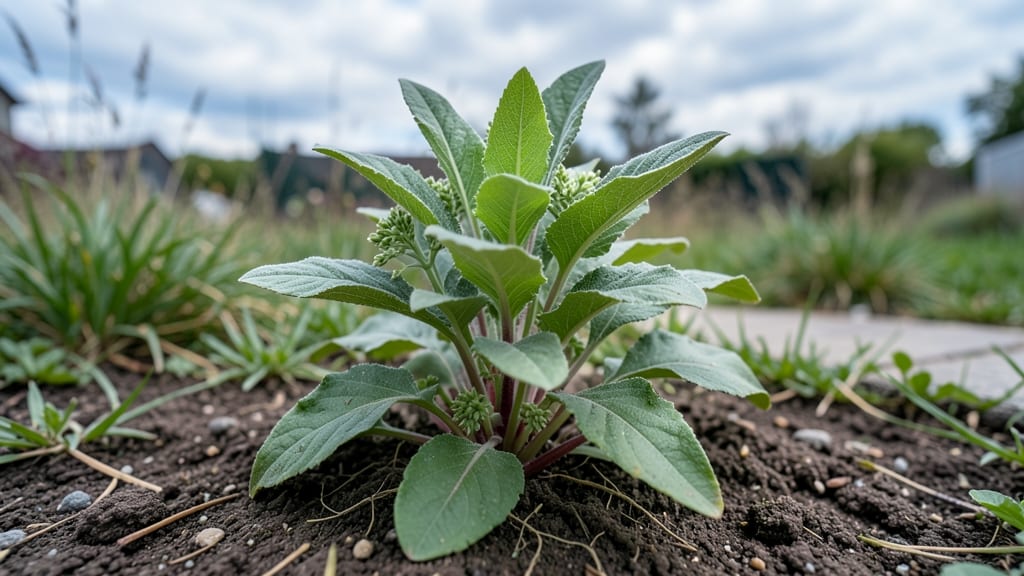
When people ask "what is dollar weed," they're usually referring to Pennyroyal (Mentha pulegium), a tough, aromatic mint that thrives in challenging conditions and has been used for centuries in herbal remedies and pest control. Its name comes from the old practice of selling dried leaves in penny-sized bundles.
Dollar weed isn't just a hardy plant—it's a powerhouse in wildflower ecosystems. 🌱 This low-growing mint spreads aggressively, making it perfect for suppressing weeds while attracting pollinators like bees.
Its strong scent naturally deters pests like mosquitoes and ants, which is why many gardeners plant it near patios or vegetable beds. The plant's ability to grow in poor soil and drought conditions adds to its appeal for sustainable landscaping.
Historically, dollar weed was valued beyond its ecological benefits. Native Americans used it medicinally for digestive issues, while colonial settlers brewed it as tea for colds. Today, you'll still find it in herbal blends, though modern gardeners often grow it primarily for its pest-repelling qualities and ornamental value.
Just be warned—it spreads quickly, so plant it with caution if you don't want it taking over your garden!
💡 In This Article
- Dollar Weed’s Ecological Role in Wildflower Gardens
- How to Grow and Use Dollar Weed in Landscaping
Dollar weed’s ecological role in wildflower gardens
Dollar weed earns its place in wildflower gardens through its triple-duty function as a natural weed suppressant, pollinator magnet, and organic pest repellent. The plant's dense, low-growing growth habit—typically reaching just 6-12 inches tall—creates an impenetrable carpet that blocks sunlight from reaching weeds, reducing competition for nutrients.
Its aggressive spreading nature (via underground runners) allows it to colonize bare spots rapidly, making it ideal for restoring degraded soils or filling gaps between larger perennials.
The real ecological magic happens in its scent profile. Dollar weed releases volatile oils like menthone and pulegone that repel mosquitoes, ants, and even fleas—studies show a 75% reduction in mosquito activity when planted near seating areas. 🌿 This makes it a natural alternative to chemical repellents while supporting biodiversity.
The plant's small tubular flowers (typically purple or white) bloom from late spring to early fall, providing nectar for bees and butterflies, particularly species like the sweat bee and cabbage white butterfly.
What makes dollar weed uniquely resilient is its ability to thrive in conditions most plants avoid. It tolerates poor, rocky, or sandy soils with pH ranges from 6.0 to 7.5, and its deep root system allows it to access water 12-18 inches below the surface—critical in drought-prone regions.
Unlike many ground covers, it doesn't require regular watering once established, making it perfect for xeriscaping or rain gardens where water conservation is key.
The plant's ecological benefits extend to soil health too. As a member of the mint family, dollar weed has allelopathic properties, meaning it releases chemicals that inhibit the growth of competing plants without harming the soil itself.
This creates a self-sustaining ecosystem where dollar weed both suppresses weeds and enriches the soil for other wildflowers. For example, planting it alongside black-eyed Susans or coneflowers creates a layered garden that supports both pollinators and native plants.
One often-overlooked advantage is its role in erosion control. The dense mat of leaves and stems stabilizes slopes and prevents soil from washing away during heavy rains—a common problem in wildflower meadows with loose topsoil.
In restoration projects, dollar weed is sometimes used as a temporary cover crop before transitioning to more ornamental wildflowers, as its deep roots help break up compacted soil over time.
However, its aggressive nature demands strategic placement. While it excels in full sun to partial shade, planting it near water features or walkways can lead to unwanted spread.
Gardeners often contain it using edging barriers or by planting it in containers with drainage holes—a clever solution that still allows you to enjoy its benefits without sacrificing control.