
How To
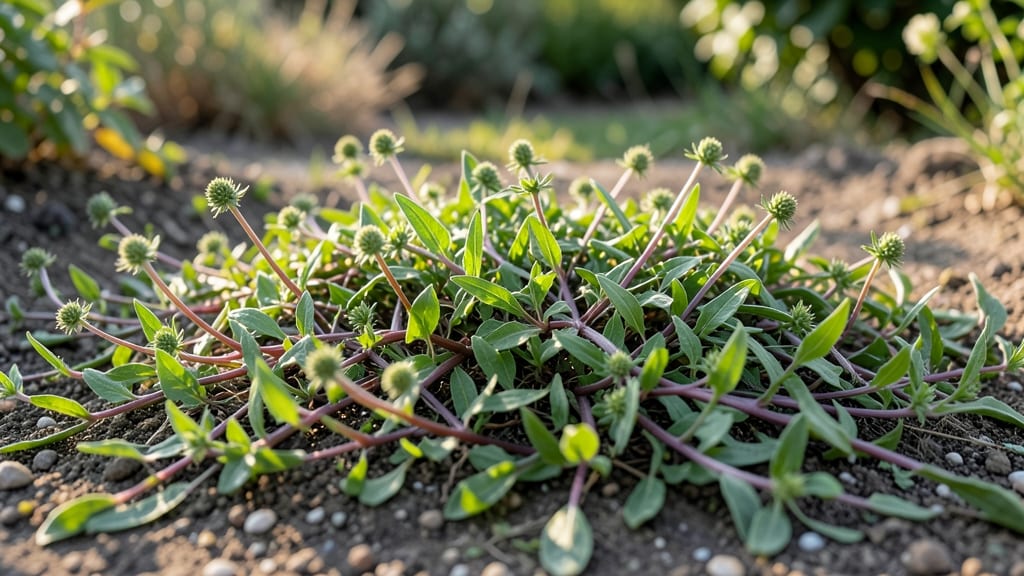
Pig weed is a fast-growing edible plant with broad, arrowhead-shaped leaves and small white flowers, often found in disturbed soils. Also called Portulaca oleracea, it thrives in warm climates and is packed with omega-3s, vitamins A and C, and minerals like magnesium and calcium.
Pig weed—also known as purslane or verdolaga—is a succulent plant that thrives in sandy, disturbed soils like gardens or cracks in pavement. 🌱 Unlike its lookalike purslane, true pig weed has slightly thicker stems and a more pronounced tang when raw. Many cultures eat it like spinach, though it's milder and slightly crunchier. The plant's high omega-3 content makes it a nutritional powerhouse, especially for those avoiding fish-based sources.
Harvesting is best done in the morning when leaves are crispest, and always wash thoroughly due to its ground-dwelling nature. Young leaves work best raw in salads, while older ones hold up better when sautéed or blended into soups.
Its versatility and hardiness make it a favorite among foragers and gardeners alike.
💡 In This Article
- Identifying Pig Weed: Key Visual and Growth Traits
- Harvesting and Cooking Pig Weed: Edible Uses and Preparation Tips
Identifying pig weed: key visual and growth traits
Pig weed (Portulaca oleracea) stands out with its thick, succulent stems and broad, arrowhead-shaped leaves that grow in a rosette pattern close to the ground. The leaves are typically 1-2 inches long, with a slightly fleshy texture that stores water—ideal for surviving in dry, sandy soils.
Its stems are reddish or greenish, often branching out in a low, sprawling habit, though some varieties grow upright to 12 inches tall. 🌿
The flowers are another key identifier: small, white or yellow, and papery, with five petals that bloom in the early morning and close by afternoon. These delicate flowers grow on slender stalks emerging from the leaf axils.
What sets pig weed apart from similar plants like purslane (Portulaca pilosa) is its thicker, more robust stems and the slightly tangier taste when raw. Lamb’s quarters, another edible weed, has broader, more hairy leaves and a more upright growth habit.
Pig weed thrives in disturbed, sandy, or poor-quality soils, often popping up in garden beds, cracks in sidewalks, or along roadsides. It prefers full sun and warm temperatures, making it common in summer months.
The plant’s rapid growth—sometimes sprouting within 24 hours after rain—makes it a hardy survivor. Its ability to regenerate from small stem fragments also sets it apart from other weeds. 🌞
When identifying pig weed, pay attention to the leaf arrangement and stem texture. Unlike purslane, which has a more delicate, almost translucent stem, pig weed’s stems feel firm and slightly rubbery. The leaves also lack the waxy coating found in some purslane varieties.
If you’re unsure, a simple taste test (raw leaves only) can confirm its mild, slightly salty flavor—though always ensure proper identification before consuming.
One common mistake is confusing pig weed with spurred anoda (Anoda cristata), a toxic lookalike with similar leaf shapes but reddish stems and flowers. Pig weed’s flowers are always white or pale yellow, and its stems remain green or reddish but never vibrant red.
This distinction is crucial, as spurred anoda contains toxic compounds that can cause severe reactions. 🚨
Foragers often rely on the "squeeze test" to confirm edibility: crush a leaf between your fingers. Pig weed releases a faint, earthy aroma with no bitter or soapy notes—a good sign it’s safe.
If in doubt, compare your find to photos of known pig weed specimens or consult a local foraging guide. The plant’s resilience and widespread presence make it a reliable food source when identified correctly.