
How To
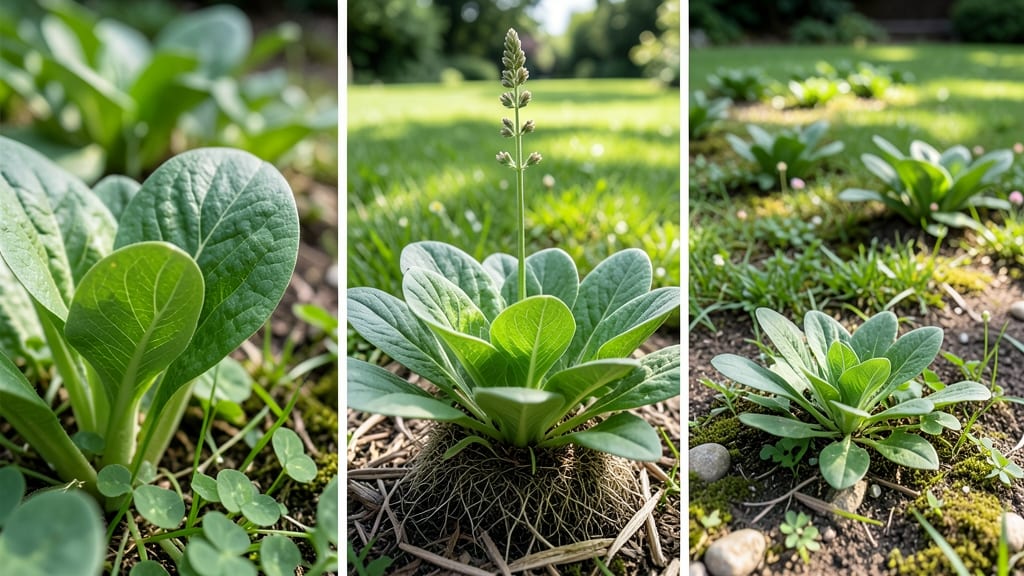
Weed is any plant unwanted in a specific context, typically because it crowds out desired plants, spreads aggressively, or lacks aesthetic value, though no strict botanical definition exists. These plants often dominate disturbed areas and adapt quickly to human-altered landscapes.
Understanding weeds starts with recognizing they're more about human perception than science. 🌱 Unlike flowers or crops, weeds don't have a formal botanical classification—they're defined by their negative impact on gardens, farms, or landscapes.
Many so-called weeds are actually hardy survivors, like dandelions or clover, which thrive in poor soil conditions where other plants would struggle. The key traits that make a plant a weed include rapid growth, prolific seeding, and the ability to outcompete cultivated species for resources.
What's fascinating is how weeds exploit human activity. Disturbed soils from construction or gardening create perfect conditions for weed seeds already present in the soil. Some weeds, like crabgrass, even time their germination to coincide with spring planting, giving them a head start over newly sown crops.
This ecological advantage makes them particularly challenging to eradicate once established.
💡 In This Article
- Botanical vs Common Definitions of Weeds
- Identifying and Managing Common Garden Weeds
Botanical vs common definitions of weeds
Botanists don't recognize "weed" as a formal taxonomic category because it's not based on genetic relationships but rather on human judgment. 🌱 What makes a plant a weed in one context—like a dandelion crowding your lawn—could make it valuable in another, such as a pollinator-friendly wildflower in a meadow.
This lack of scientific definition means weeds span over 200 plant families, from grasses like crabgrass to broadleaf plants like chickweed, which is technically edible but unwanted in vegetable gardens.
The defining characteristics that separate weeds from other plants revolve around their growth habits and ecological impact.
Weeds typically exhibit rapid vegetative growth (some species can grow 1 inch per day), produce thousands of seeds per plant (like pigweed with up to 200,000 seeds), and develop extensive root systems that compete aggressively for water and nutrients.
Their seeds often remain dormant in soil for years—some up to 40 years—waiting for the right conditions to germinate, which explains why they persist even after multiple removal attempts.
Contrast this with ornamental plants like marigolds or ornamental grasses, which are cultivated for their beauty and deliberately controlled. Weeds lack these desirable traits in human-managed spaces, yet many possess remarkable survival adaptations.
For example, creeping charlie spreads through underground runners that can grow 6-12 inches per year, while milkweed produces seed pods that explode when dry, scattering seeds up to 13 feet away.
These mechanisms make weeds formidable competitors in agricultural settings where they can reduce crop yields by up to 35% if unchecked.
The distinction between weeds and wildflowers further blurs the botanical line. Plants like goldenrod or black-eyed Susan are often called weeds when growing in gardens, yet they provide critical habitat for pollinators.
The key difference lies in intent: wildflowers are typically allowed to grow naturally in uncultivated areas, while weeds are actively suppressed. This human-centric classification explains why the same plant might be labeled a weed in one garden but prized as a native species in a conservation area.
Ecologically, weeds play dual roles—they can be both pests and pioneers. In disturbed ecosystems like construction sites or abandoned fields, weeds are often the first plants to colonize, stabilizing soil and creating conditions for other species. However, their competitive nature can prevent desired plants from establishing in cultivated areas.
This duality is why some gardeners embrace "weed-friendly" practices, allowing certain species like clover to grow as living mulch while suppressing more aggressive invaders.
Understanding these botanical realities helps explain why weed control is more about management than eradication. Many weeds have evolved alongside human agriculture, developing traits that make them resilient to traditional removal methods.
For instance, nutsedge produces nutlets that sink in water and can survive in flooded conditions, while bindweed's deep roots can regenerate from fragments as small as 1 inch. This biological tenacity is what makes weeds such persistent challenges in both agricultural and horticultural settings.