
Plants
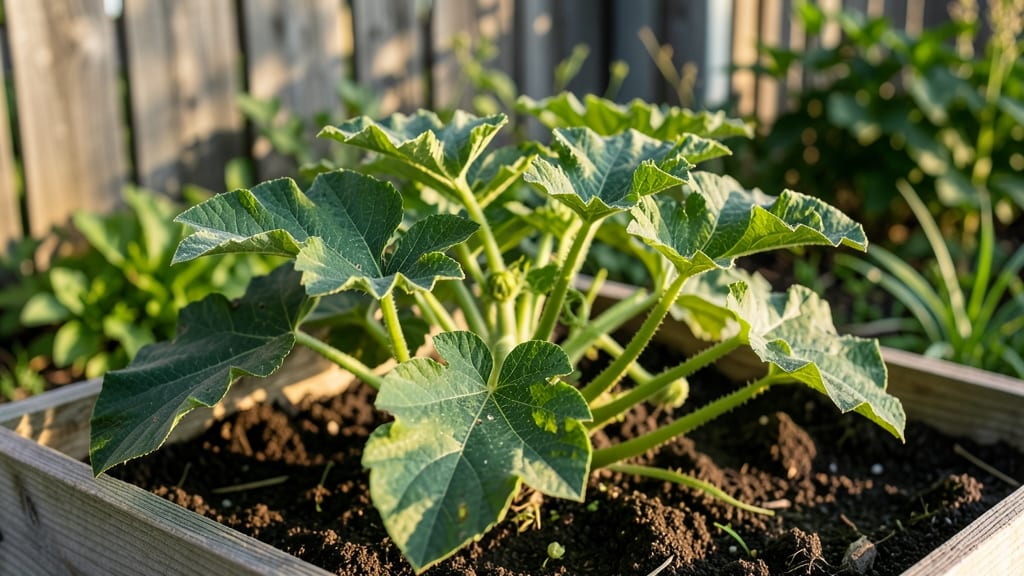
Planting watermelons in Texas means timing them for soil that’s at least 70°F—any earlier and the seeds rot, any later and the heat zaps the vines before fruit sets.
Texas gardeners know that timing is everything—especially when growing watermelons, where a single week too early or late can mean the difference between a bountiful harvest and a bitter disappointment.
With three distinct heat zones across the state, the right window varies from North Texas’ late April to South Texas’ early March. Get it wrong, and you’ll face stunted growth, poor fruit set, or even total crop failure.
In this guide, I’ll break down the exact planting schedule by region, plus pro tips to beat Texas’ unpredictable weather—so you can go from seed to sweet, ripe melon 🌱 in record time.
Texas heat-zone planting schedule for watermelons: exact dates by region
Watermelons thrive in Texas' heat, but timing is critical—plant too early, and frost can kill seedlings; too late, and heat stress stunts growth. Each region has unique frost-free dates and soil temperature thresholds (ideal: 70°F+) that dictate when to start seeds or transplant.
Below, I break down the exact planting windows for North, Central, and South Texas to ensure your vines produce sweet, juicy fruit.
For North Texas (Zones 7b-8a), where last frosts can linger until mid-April, watermelons need a longer growing season. In Central Texas (Zones 8a-9a), you’ve got more flexibility, but late-March plantings avoid early heatwaves.
And in South Texas (Zones 9a-10a), you can start as early as February, but watch for unpredictable rains that delay soil warming.
🌱 Pro Tip: Use a soil thermometer—watermelon seeds won’t sprout below 60°F, and roots suffer in cold, wet soil. In cooler zones, opt for fast-maturing varieties like Sugar Baby (65 days) or Crunchy (70 days) to beat the heat.
| Region | USDA Zone | Last Frost Date | Start Seeds Indoors | Transplant Outdoors | Direct Sow Outdoors | Soil Temp Threshold |
|---|---|---|---|---|---|---|
| North Texas | 7b-8a | Mid-April | Late March | After May 1 | April 15-May 1 | 70°F+ |
| Central Texas | 8a-9a | Late February | Mid-February | March 15-April 1 | March 1-April 15 | 65°F+ |
| South Texas | 9a-10a | None (year-round) | January-February | February-March | February-April | 60°F+ |
In North Texas, where frost risk lingers, I recommend starting seeds indoors by late March and transplanting after May 1 when nights stay above 55°F.
For Central Texas, you can direct-sow as early as March 1, but cover seedlings with row fabric if nights dip below 60°F. South Texas gardeners have the most flexibility—plant in February for early harvests or April to avoid summer heat stress.
🌡️ Watch for soil temperature: Watermelon seeds won’t germinate below 60°F, and roots struggle in cold, soggy soil. Use black plastic mulch or clear plastic tunnels to warm soil faster in North Texas.
In Central and South Texas, shade cloth (30-50%) protects young plants from scorching midday sun during early plantings.
For maximum yield, stagger plantings every 2-3 weeks in Central and South Texas. This ensures a continuous harvest from June through September.
In North Texas, focus on one planting after May 1 and choose early-maturing varieties like Black Diamond (70 days) to finish before fall temperatures drop.
💧 Watering matters: After transplanting, keep soil consistently moist (1-2 inches deep) but avoid waterlogging, which causes root rot. In South Texas, drip irrigation prevents fruit cracking from uneven moisture. In North Texas, mulch with straw to retain soil moisture during dry summer spells.
How to time watermelon planting for Texas’ unpredictable weather: pro tips
Texas’ weather can shift from freezing nights to scorching afternoons in a heartbeat, making watermelon planting a high-stakes game. Unlike cooler climates, Texas watermelons thrive when soil stays consistently warm—70°F or above—so timing is everything.
I’ve learned the hard way that planting too early leads to stunted vines, while waiting too long risks heat stress before fruit sets. The key? Flexibility and preparation.
First, choose fast-maturing varieties like Sugar Baby (65 days) or Crimson Sweet (80 days) to account for Texas’ unpredictable growing seasons. These varieties give you a buffer if summer arrives early or drought delays growth.
Pair them with staggered plantings—sow seeds every 2 weeks—to extend your harvest window and ensure at least one batch ripens before the heat peaks.
Don’t overlook microclimates—your backyard might be 10°F warmer than the official weather station. South-facing slopes or black plastic mulch can create ideal conditions even if the forecast calls for cooler temps.
I’ve seen Sugar Baby watermelons ripen in Central Texas as early as June if planted in a sunny, sheltered spot.
For extended harvests, try a two-phase approach: plant half your seeds in early April (after frost risk passes) and the rest in late May. This ensures some vines mature before the brutal August heat sets in.
Just be prepared to provide afternoon shade with shade cloth if temperatures exceed 100°F.
Finally, watch for heat stress signs like yellowing leaves or blossom drop—these are red flags to adjust watering or provide temporary shade. With these strategies, you’ll turn Texas’ chaos into a watermelon-growing advantage, not a liability. 🌱