
Plants
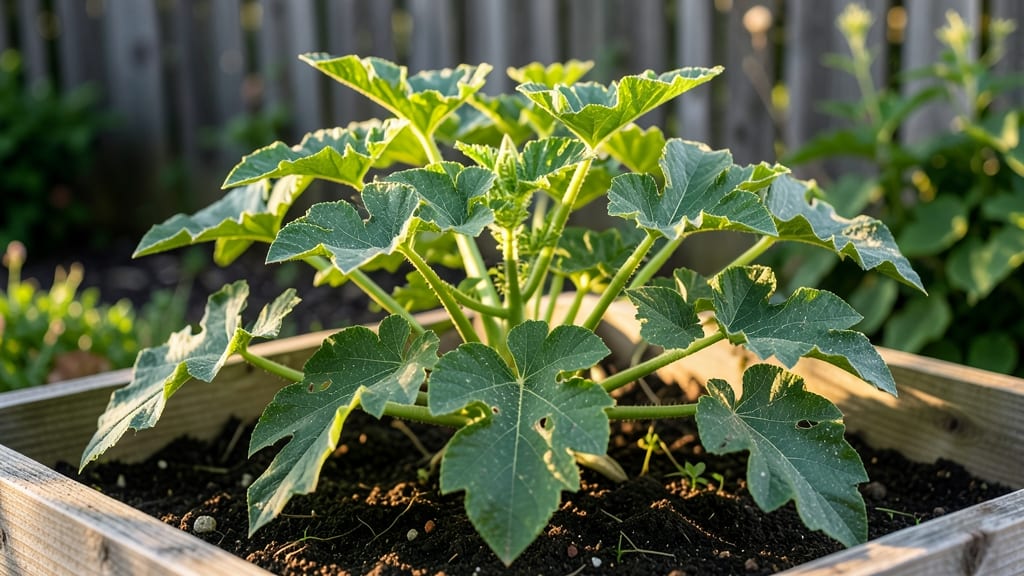
Planting watermelon in Arkansas after your last frost date is the key to fast, juicy harvests — and timing it right means the difference between a 60-day vine and a 90-day wait.
Arkansas gardeners know the difference between a mediocre watermelon harvest and a jaw-dropping, vine-ripened masterpiece often comes down to timing—plant too early, and frost lingers; too late, and summer’s heat arrives just as your vines need to thrive. The 70°F soil temperature threshold is your real deadline, not the calendar.
In USDA zones 7a-8b, your planting window opens in mid-April for northern Arkansas and stretches to early May in the southern Delta, where heat arrives earlier. That’s why soil temperature matters more than the date on your planner.
Here’s how to nail it: when to start seeds indoors, how to adjust for Arkansas’ microclimates, and the 3 varieties that thrive in our short seasons — plus the one mistake that kills vines before they fruit.
Arkansas watermelon planting calendar: frost dates, soil temps & ideal windows
Timing your watermelon planting in Arkansas means balancing last frost dates with soil temperature thresholds—typically 70°F+—to ensure your vines thrive. The state’s USDA zones 7a-8b create distinct windows for northern and southern regions, with mid-April to early May being the sweet spot for most gardeners.
Plant too early, and frost will nip tender seedlings; too late, and summer’s heat arrives just as your vines need to establish roots.
Northern Arkansas (USDA Zone 7a, e.g., Fayetteville, Bentonville) has later frost risks, while southern regions (Zone 8b, like Little Rock or El Dorado) enjoy longer growing seasons. My strategy?
Start seeds indoors 2-3 weeks before the last expected frost, then transplant hardened-off seedlings after soil warms to 70°F. For direct sowing, wait until mid-May in cooler zones to avoid frost damage.
Pro Tip: Use a soil thermometer to confirm readiness—watermelon seeds won’t germinate below 60°F, but vines need 70°F+ to thrive. In Zone 7a, aim for April 15–May 1; in Zone 8b, you can start as early as March 20–April 15.
| Region | USDA Zone | Last Frost Date | Ideal Planting Window | Soil Temp Threshold | Harvest Window |
|---|---|---|---|---|---|
| Northern Arkansas | 7a | Mid-April | April 15–May 1 | 70°F+ | July–September |
| Central Arkansas | 7b | Early April | April 1–April 20 | 70°F+ | June–September |
| Southern Arkansas | 8a-8b | Late March | March 20–April 15 | 70°F+ | June–October |
| Delta Region | 8b | Early March | March 1–March 31 | 70°F+ | May–November |
For three distinct planting windows, I recommend staggering seeds every 2 weeks to extend your harvest. Early season (late March–April) works best in Zone 8b, while mid-season (April–May) suits central Arkansas. Late-season (May–early June) is ideal for northern areas or if you missed earlier windows—just choose fast-maturing varieties (60–70 days).
Watch for soil warmth—even if air temps rise, cold soil delays germination. In Zone 7a, I’ve seen seedlings rot when planted in 55°F soil, despite daytime highs of 75°F. Use black plastic mulch to warm soil faster, especially in cooler microclimates like the Ozark Mountains.
If you’re starting seeds indoors, begin 4–6 weeks before your target transplant date. Use biodegradable pots to avoid root disturbance, and harden off seedlings for 7–10 days before moving them outdoors. Transplant after sunset to reduce shock, and water deeply to settle soil around roots.
Common mistakes? Planting too early in Zone 7a or skipping soil temp checks. I once lost a batch of seedlings to frost in early April because I assumed the air was warm enough. Always verify with a soil thermometer—it’s your best tool for Arkansas watermelon success.
For extended harvests, try a second planting in early June using heat-tolerant varieties like ‘Sugar Baby’ or ‘Crimson Sweet’. These vines handle 90°F+ temps better than standard types, giving you melons into late September or even October in Zone 8b.
🌱
How to adjust planting for Arkansas’ microclimates: from Delta heat to Ozark valleys
Arkansas’ diverse geography means your watermelon planting schedule should differ dramatically between regions. The Delta’s sweltering summers demand early starts, while Ozark Mountain valleys need delayed planting to avoid late frosts. Even the Arkansas River Valley presents challenges with unpredictable storms that can drown young seedlings.
For Delta region gardeners (USDA zones 7b-8a), aim to plant watermelon seeds directly in soil by late March—soil temps hit 70°F+ weeks earlier than in the Ozarks. In contrast, Ozark Mountain areas (USDA zones 6b-7a) should wait until mid-to-late May when nighttime temps consistently stay above 55°F.
Comparison Table: Arkansas Microclimate Planting Strategies
| Region | Planting Window | Key Adjustments | Season Extension Tools |
|---|---|---|---|
| Delta (7b-8a) | Late March - Early April | Use black plastic mulch to warm soil faster; plant heat-tolerant varieties like Crimson Sweet | Row covers for early seedlings; shade cloth in peak summer |
| Ozark Mountains (6b-7a) | Mid-May - Early June | Wait for soil temps 70°F+; choose fast-maturing varieties (60-70 days) | Cold frames for early starts; straw mulch to protect roots |
| Arkansas River Valley | Early April - Late April | Plant on raised beds for drainage; use disease-resistant seeds | Drip irrigation to avoid storm damage; row covers for seedlings |
In the Arkansas River Valley, where storms can strike anytime, I recommend raised beds with drip irrigation to maintain consistent moisture without relying on rainfall. For Delta gardeners, black plastic mulch isn’t just helpful—it’s essential.
Lay it down 2-3 weeks before planting to raise soil temps 5-10°F faster than uncovered beds.
If you’re in the Ozarks, don’t rush—cool nights slow vine growth. Start seeds indoors in late April and transplant after Memorial Day when danger of frost has passed.
For all regions, row covers are your best friend for early-season protection, especially if you’re aiming for an extended harvest into early fall.
Remember: Watermelons hate cold feet. Even in the Delta, if nighttime temps dip below 60°F for more than 2 nights, growth stalls. Use straw mulch 3-4 inches deep to insulate roots and keep soil temps stable. And always plant on south-facing slopes in cooler areas to maximize sun exposure.
With these microclimate adjustments, you’ll turn Arkansas’ challenging growing conditions into prime harvest opportunities—whether you’re battling Delta humidity or Ozark chill. The key is localized timing and protective tools that match your specific corner of the state. 🌱💧☀️