
Companion Plants
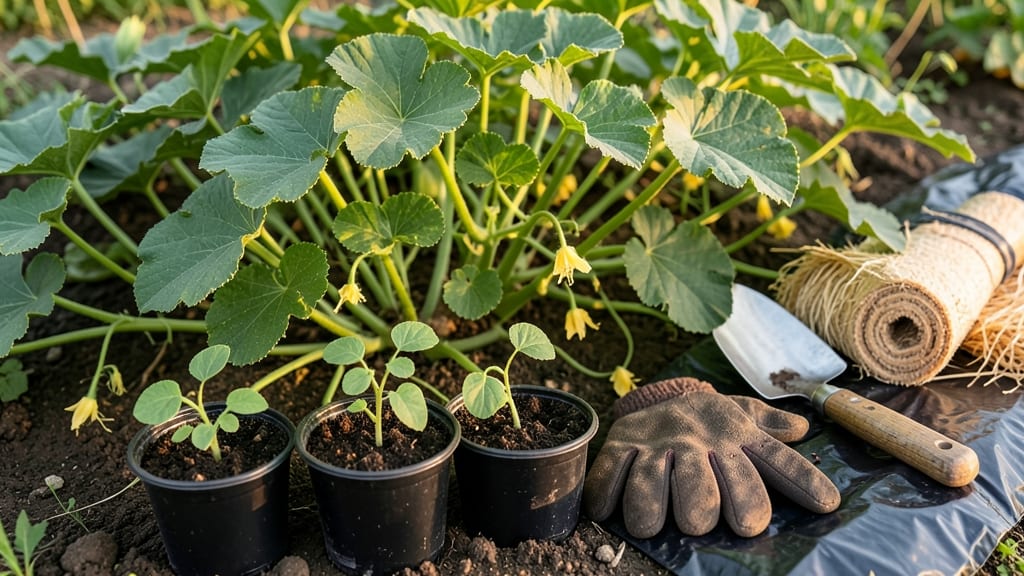
Plant watermelon in Pennsylvania when soil warms to at least 70°F—typically between late May and early June, depending on your region.
Pennsylvania’s warm summers are perfect for juicy, homegrown watermelons—but planting too early or late can ruin your harvest. Timing is everything, and knowing the exact frost-free windows and soil prep secrets will give you the sweetest, most productive crop in your garden.
Most of the state’s frost-free dates fall between April 15 and May 15, but soil temperature is the real game-changer. Watermelons won’t germinate in cool soil, so wait until the ground stays consistently warm—usually a week or two after the last frost.
Below, I’ll break down the best planting windows by PA zone, share soil prep tips to boost growth, and recommend the top varieties that thrive in your climate. Ready to grow melons that taste like summer?
Best planting dates for watermelon in Pennsylvania by region
Pennsylvania’s diverse climate means watermelon planting dates vary dramatically between regions. In the southeastern and southwestern zones (like Pittsburgh and Erie), you can start seeds 2-3 weeks earlier than in the northeast (Scranton or Wilkes-Barre).
The key is waiting for soil temperatures to hit 70°F+—cold soil stunts growth and invites disease.
Most PA gardeners opt for direct sowing after the last frost, but transplanting can work if you start seeds indoors 3-4 weeks before the ideal outdoor date. Just beware—watermelons hate temperature fluctuations, so avoid planting when nighttime temps dip below 55°F.
Here’s how to align your planting with Pennsylvania’s microclimates and frost-free averages:
| Region | Last Frost Date (Avg.) | Soil Temp Threshold | Direct Sow Window | Transplant Window |
|---|---|---|---|---|
| Southwest (Pittsburgh, Erie) | April 20–May 5 | 70°F+ (consistent) | May 15–June 1 | April 25–May 10 (start indoors) |
| Central (Harrisburg, Lancaster) | May 5–May 15 | 70°F+ (consistent) | May 20–June 5 | May 1–May 15 (start indoors) |
| Northeast (Scranton, Wilkes-Barre) | May 15–May 25 | 70°F+ (consistent) | June 1–June 15 | May 10–May 25 (start indoors) |
| Southeast (Philadelphia, Allentown) | April 25–May 10 | 70°F+ (consistent) | May 10–May 25 | April 15–April 30 (start indoors) |
Note: Use a soil thermometer to confirm readiness—60°F soil is too cool for germination.
For southern PA, aim to have watermelons planted by mid-May to ensure a full 90-day growing season. In northern PA, delay until early June to avoid late spring frosts, which can kill young plants.
Pro tip: Use black plastic mulch to warm soil faster in cooler zones.
If you’re transplanting, harden off seedlings for 7–10 days before moving them outdoors. Watermelons have delicate root systems, so avoid disturbing them once planted. In Zone 6b (common in PA), even a light frost after planting can set back growth by weeks.
For extended harvests, consider using row covers in late summer to protect melons from early fall frosts. This buys you 2–3 extra weeks of growing time in north-central PA. Just remove covers during the day to prevent overheating.
Watch for cucumber beetles in early summer—they love watermelon seedlings. Apply row covers until flowers appear to deter them. In humid PA summers, prioritize airflow by spacing vines 3–4 feet apart to prevent fungal diseases like powdery mildew.
Remember: Watermelons need heat to develop sweetness. If your summer cools off early, opt for shorter-season varieties like ‘Sugar Baby’ (70 days) over ‘Crimson Sweet’ (85 days). Planting too late guarantees small, underripe fruit—so mark your calendar now!
Soil preparation & pre-planting tips for healthy watermelon growth
Before planting watermelons in Pennsylvania, your soil preparation is just as critical as timing. Watermelons thrive in well-draining, nutrient-rich soil with a pH between 6.0 and 6.8.
If your soil is too acidic or alkaline, your plants may struggle to absorb essential nutrients, leading to poor growth or fruit development.
Start by testing your soil pH using a simple test kit. Pennsylvania’s diverse regions—from the humid southeast to the cooler northwest—often require amendments like lime (to raise pH) or sulfur (to lower pH). Aim for that sweet spot to ensure your watermelons have the best chance to flourish.
⚠️ WARNING: COLD SOIL = FAILURE
Next, focus on organic matter. Watermelons are heavy feeders, so mix in 3-4 inches of compost or well-rotted manure into the top 12 inches of soil. This improves water retention and provides a steady supply of nutrients. Avoid fresh manure, as it can burn delicate roots.
Drainage is another non-negotiable for watermelons. If your garden holds water after rain, amend the soil with sand or perlite to create air pockets. Heavy clay soils common in southeastern PA benefit from raised beds or mounds to prevent root rot.
Always plant on slightly elevated ground to avoid waterlogged roots.
To deter cucumber beetles and other pests, incorporate companion planting strategies. Pair watermelons with radishes, nasturtiums, or marigolds, which repel pests naturally. Avoid planting near potatoes or squash, as they attract similar pests and compete for nutrients.
Finally, create a planting bed with rows spaced 3-4 feet apart to allow vines room to sprawl. Watermelons need space to thrive, and crowded plants lead to poor air circulation and increased disease risk. Mulch heavily with straw or grass clippings to retain moisture and suppress weeds.