
Plants
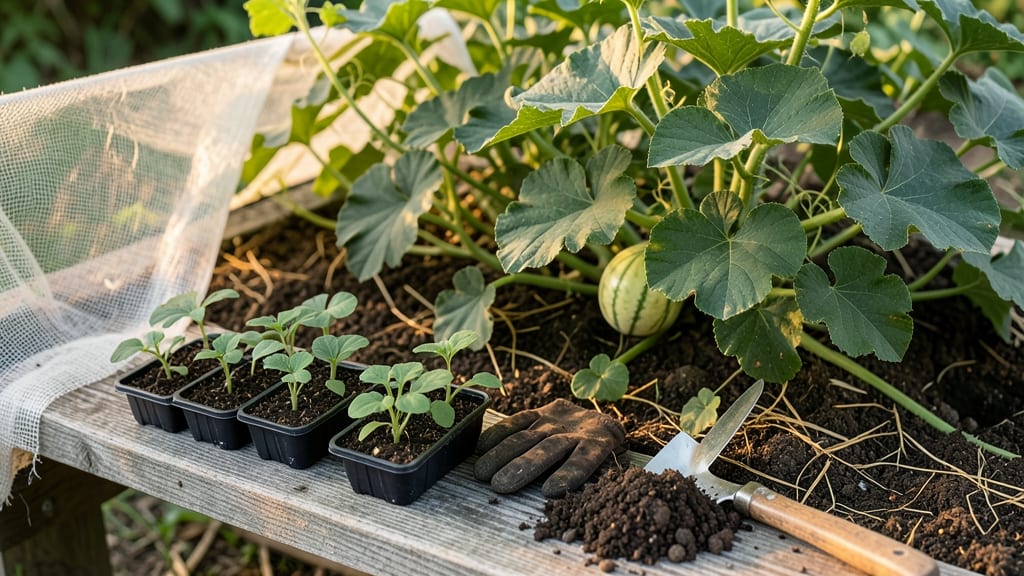
Planting watermelon in Pennsylvania after the last frost—typically late April to early May—sets the stage for a thriving summer harvest 🍉.
Pennsylvania’s warm summers and unpredictable spring frost make timing your watermelon planting the difference between a bountiful harvest and a failed crop. A late frost can wipe out seedlings overnight, while planting too early risks stunted growth.
The key is waiting until soil temperatures hit at least 70°F and all frost danger has passed.
In USDA zones 6a-7a, that usually lands between mid-May and early June, depending on your county. Rural areas tend to warm up faster than urban spots, so check local frost data before breaking out the seeds.
Even a week’s delay can mean the difference between a vine full of fruit and one struggling to set blooms.
Below, I’ll break down the exact planting window for your region, how to stretch the season with row covers, and the one trick that lets you harvest watermelons two weeks earlier than the neighbors. No guesswork—just science-backed timing for Pennsylvania’s climate.
Pennsylvania watermelon planting dates by frost zone: avoid late springs
Pennsylvania’s unpredictable spring frosts and short growing season mean watermelon planting timing is critical. Plant too early, and frost will kill seedlings. Plant too late, and your 90-day watermelons won’t mature before fall’s first chill.
The key? Aligning your planting with USDA zones 5b–7a and soil temperature thresholds of 75°F+.
Most Pennsylvania gardeners face a 120–150-day growing season, leaving little room for error. Watermelons need warm soil (not just air) to germinate—cold soil delays sprouting by weeks.
In northern PA (zones 5b–6a), aim for late May transplants, while southern PA (zones 6b–7a) can start as early as mid-April under row covers.
Here’s your Pennsylvania watermelon planting calendar, broken down by frost zone, soil temps, and transplant windows to maximize harvests before October’s first frost:
For northern PA gardeners in zones 5b–6a, transplanting after May 20 risks stunted growth. Use black plastic mulch to warm soil faster and row covers for early starts.
In southern PA (zones 6b–7a), you can push planting to late April if you monitor soil temps with a soil thermometer.
Pro tip: Start seeds indoors 3–4 weeks before your last frost date, then transplant after Memorial Day when soil hits 75°F. This buys you 2–3 weeks of head start. Use heat-tolerant varieties like ‘Sugar Baby’ (70 days) or ‘Crimson Sweet’ (80 days) to ensure maturity before fall’s first frost.
Watch for late spring frosts—even in May. If nighttime temps drop below 50°F, cover seedlings with frost cloth or move pots indoors temporarily. Urban heat islands (like Philadelphia) may allow 1–2 weeks earlier planting than rural areas, so adjust based on your microclimate.
Once planted, watermelons need 8–10 hours of sun daily and 1–2 inches of water per week. Reduce watering 2 weeks before harvest to concentrate sweetness. In humid PA summers, mulch heavily to prevent soil-borne diseases like powdery mildew.
Time your planting to align with Penn State Extension’s frost maps, and you’ll avoid the #1 mistake: waiting until June to plant. By then, your 90-day watermelons won’t mature before October’s first frost—and you’ll be left with bitter, underripe fruit.
🌱
How to extend Pennsylvania’s watermelon growing season for earlier/later harvests
Pennsylvania’s short 120–150-day growing season can make watermelon cultivation challenging, but with the right strategies, you can push your harvest 2–4 weeks earlier or later. The key lies in soil warming, frost protection, and selecting heat-tolerant varieties that thrive in PA’s climate.
By combining these methods, even gardeners in USDA zones 5b–7a can enjoy juicy watermelons from late June to early October.
One of the most effective ways to extend your season is by using black plastic mulch, which warms the soil 10–15°F faster than bare ground. This allows you to plant 2–3 weeks earlier in spring and delay harvest by protecting roots from early fall chills.
Pairing mulch with row covers or cold frames can further shield young plants from late frosts, giving you a head start on the season.
Choosing the right watermelon varieties is equally critical. ‘Sugar Baby’ and ‘Black Diamond’ mature in just 70–75 days, making them ideal for early harvests, while ‘Crimson Sweet’ (80–90 days) can stretch your season later.
For maximum flexibility, opt for heat-tolerant hybrids like ‘Charleston Gray’—they handle PA’s 90°F+ temperatures without bolting.
Extending Watermelon Season in PA: Pros & Cons
Black Plastic Mulch
- Pros: Warms soil 10–15°F, suppresses weeds, retains moisture
- Cons: Requires removal at season’s end, can overheat soil in extreme heat
Row Covers
- Pros: Protects from frost, extends season 2–3 weeks, lightweight and reusable
- Cons: Reduces airflow (risk of powdery mildew), must be removed when flowers appear
Cold Frames
- Pros: Creates microclimate for early starts, protects seedlings from frost
- Cons: Expensive setup, requires monitoring to avoid overheating
For a later harvest, focus on late-maturing varieties and season extenders like low tunnels. Plant ‘Crimson Sweet’ or ‘Jubilee’ in mid-June for a fall crop, and use row covers to shield vines from early October frosts.
Always monitor soil temperatures—watermelons need 75°F+ to germinate, so wait until late May in cooler zones like USDA 5b.
Don’t overlook trellising for space-saving and earlier harvests. ‘Sugar Baby’ and ‘Tasty Jewel’ (both 70-day varieties) grow well on trellises, allowing you to plant closer together and harvest 2–3 weeks sooner than sprawling vines. Just ensure your trellis is 6+ feet tall to support their 10–15-foot vines.
Finally, keep an eye on pests and diseases when extending your season. Cucumber beetles and powdery mildew thrive in warm, humid conditions—use floating row covers early on and neem oil sprays to protect your crop.
With these strategies, you’ll turn PA’s short season into a watermelon bonanza from June to October!