
Plants
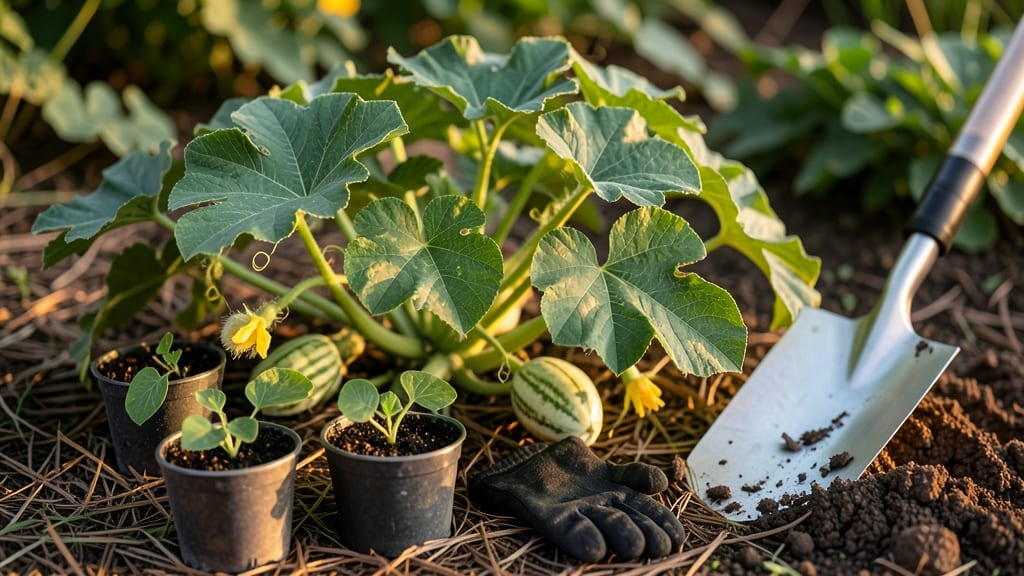
Planting watermelon in Washington State after the last frost—typically late April to early June—sets the stage for a bountiful summer harvest 🍉.
But here’s the catch: Washington’s climate swings wildly from the dry heat of Yakima Valley to the cooler, wetter Pacific Northwest. Plant too early in Spokane’s Zone 6b, and a late frost will wipe out your seedlings.
Wait too long in Zone 8b, and your melons won’t ripen before fall’s chill. The right timing isn’t just about dates—it’s about soil warmth, microclimates, and variety choices that match your region.
Whether you’re direct-sowing in the Columbia Basin or using transplants near Seattle, the key is waiting until soil hits 70°F and all frost risk has passed.
Below, I break down the exact planting windows by zone, plus three game-changing tips to extend your season if you’re in a cooler pocket of the state.
You’ll leave here knowing not just when to plant, but how to give your watermelons the best shot at thriving—no matter where in Washington you garden.
Washington State watermelon planting dates by region (frost-free zones)
Washington State’s varied climate creates distinct watermelon planting windows across its regions. In Eastern WA (Zones 5-7), like Spokane and Wenatchee, cooler springs delay planting until late May to early June.
Meanwhile, Western WA (Zones 7-9), including Yakima and the Columbia Basin, can start as early as mid-April when soil warms. The Puget Sound (Zones 8-9) offers a longer window but requires careful frost monitoring until mid-May.
All regions share one critical rule: wait until soil temperatures reach 70°F (21°C). Use a soil thermometer to confirm—cold soil stunts growth. Watermelons are heat-loving annuals that need 90+ frost-free days to mature, so timing is everything.
Plant too early, and frost will kill tender seedlings; too late, and you’ll miss summer harvests.
Direct sowing is best for Washington’s climate, as transplants struggle with temperature shocks. Start seeds indoors 3-4 weeks before your region’s last frost date, then harden off seedlings before transplanting. For Eastern WA, this means starting seeds mid-April; for Western WA, begin early March.
For Eastern WA gardeners, prioritize fast-maturing varieties like 'Sugar Baby' (58 days) or 'Crimson Sweet' (80 days). These handle shorter seasons better. In Western WA, where summers are longer, you can afford larger varieties like 'Charleston Gray' (85 days) or 'Moon and Stars' (80 days).
The Puget Sound’s cooler nights benefit from black plastic mulch, which warms soil faster and speeds up growth.
Watch for false springs—those warm spells followed by frost. If nighttime temps dip below 50°F (10°C), protect seedlings with frost cloth or move pots indoors temporarily.
In Zone 5-7 areas, consider using a cold frame to extend the season by 2-3 weeks. This lets you plant earlier and harvest longer into fall.
Soil preparation is just as critical as timing. Amend your garden beds with compost or aged manure to improve drainage—watermelons hate soggy roots. In sandy soils (common in Eastern WA), add organic matter like peat moss.
For clay-heavy soils (Western WA), mix in perlite or coarse sand to prevent compaction. Aim for a pH of 6.0-6.8 for optimal nutrient uptake.
After planting, mulch heavily with straw or shredded leaves to retain moisture and suppress weeds. Watermelons need 1-2 inches of water weekly, but avoid overhead watering—drip irrigation keeps foliage dry and prevents powdery mildew.
In Zone 9 areas, you can even try fall planting for late-season harvests, sowing seeds in early August for a September-October crop.
Pro tip: Mark your calendar for the average first frost date in your area (October 15 for most of WA). Count backward 90 days to determine your latest planting window.
This ensures you’ll harvest before cold snaps arrive. For example, in Zone 7 Yakima, count back from October 15 to land on July 15 as your cutoff.
Finally, choose your planting location wisely. Watermelons need full sun (6+ hours daily) and room to sprawl—they can vine up to 10 feet! In small gardens, use
How to extend your Washington watermelon growing season (cold protection tips)
Living in Washington’s cooler zones like Zone 6b or Puget Sound? You can still grow watermelons by extending your season with smart cold protection. The key is combining early planting with season-extending tools to give your vines a head start before summer heat arrives.
Watermelons need 70°F+ soil to germinate, but cooler spring nights can delay planting until late May.
By using row covers, black plastic mulch, or even cold frames, you can push planting back to early April in warmer microclimates like Yakima Valley or late April in the Puget Sound.
Here’s my ranked list of the most effective methods to protect your watermelon plants from late frosts and chilly nights:
For Puget Sound gardeners, combine black plastic mulch with a row cover for the first 2 weeks after planting. This gives your seedlings a 3-4 week head start before removing covers. In Eastern WA, focus on early planting dates (mid-April) and cold frames for transplant protection.
Pro tip: Monitor your soil temperature with a soil thermometer. Watermelon seeds won’t sprout below 68°F, so wait until the ground warms naturally or use heat mats for containers. Pair this with drip irrigation to maintain consistent moisture—critical for vines in cooler climates.
With these strategies, you can harvest watermelons in July instead of missing the season entirely. The key is patience and layering protection—start early, shield young plants, and choose varieties that thrive in your microclimate. Happy growing! 🌱