
Plants
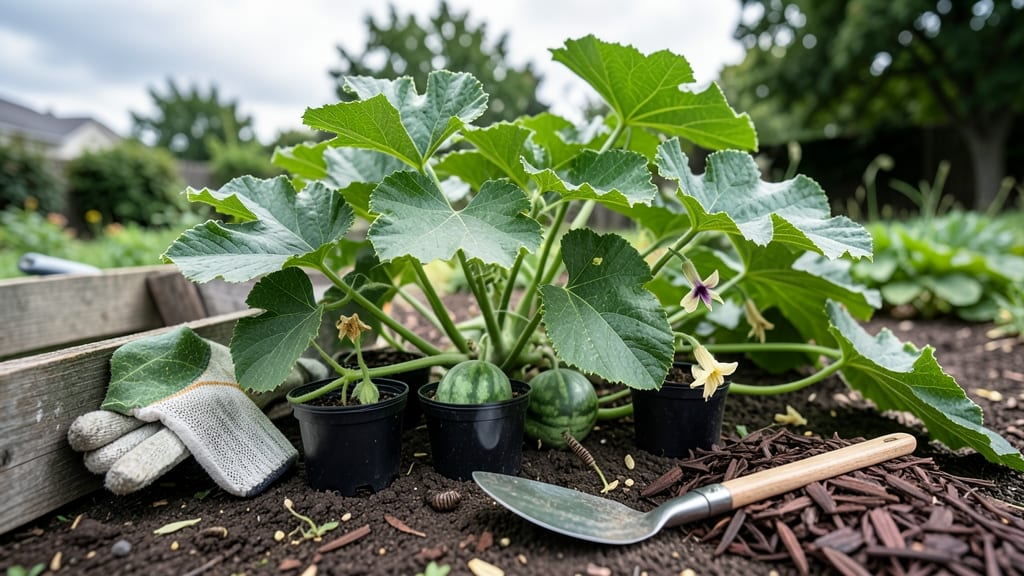
Plant watermelons in Arkansas after the last frost date—typically between April 15 and June 1—when soil temperatures hit a steady 70°F or above.
Arkansas gardeners know timing is everything—plant watermelons too early, and frost will wipe them out; too late, and your harvest shrinks. But mastering the perfect planting window (based on your zone) can mean the difference between a few sad melons and a sun-ripened bounty.
In USDA Zones 7a-8b, watermelons thrive with 190 frost-free days, but the Delta’s warmer microclimates can stretch that window further. Whether you’re starting seeds indoors or direct-sowing, soil warmth is the key—75°F+ triggers faster germination and bigger yields.
Below, I break down the exact frost-free dates by Arkansas region, how to prep your soil for faster growth, and the 3 best varieties that handle Arkansas’ heat and humidity like a champ.
Arkansas watermelon planting dates by hardiness Zone: exact frost-free timelines
Timing your watermelon planting in Arkansas depends on your USDA hardiness zone and last frost dates. Most Arkansas gardeners fall in zones 7a-8a, where the frost-free window shifts slightly between northern and southern regions.
Planting too early risks frost damage, while waiting too long shortens your harvest season.
For maximum yield, aim to plant watermelons when soil temperatures hit 75°F+—this ensures rapid germination and vine growth. In Arkansas, this typically aligns with mid-April to early June, but your exact window depends on whether you're in the Ozark Mountains (cooler) or the Delta region (warmer).
🌱
| Zone | Last Frost Date | Ideal Planting Window | Soil Temp Threshold | Notes |
|---|---|---|---|---|
| 7a (North Arkansas) | April 15 | May 1 - May 15 | 75°F+ | Use black plastic mulch to warm soil faster. |
| 7b (Central Arkansas) | April 1 | April 20 - May 10 | 75°F+ | Start seeds indoors in March for earlier transplants. |
| 8a (South Arkansas) | March 15 | April 1 - April 30 | 70°F+ | Direct sow after last frost for best results. |
| All Zones | N/A | June 1 (latest) | 75°F+ | Choose fast-maturing varieties (60-70 days). |
In Zone 7a (northern Arkansas), like in the Ozarks, wait until May 1 to plant watermelons outdoors. The cooler climate means soil warms slower, so use row covers or black plastic mulch to speed up germination.
For central Arkansas (Zone 7b), you can start seeds indoors in March and transplant after April 20, giving your vines a head start.
Gardeners in Zone 8a (southern Arkansas, like Little Rock or El Dorado) enjoy an earlier window. You can direct-sow seeds as early as April 1, but aim for soil temperatures above 70°F to avoid slow growth.
If you miss this window, consider fast-growing varieties like 'Sugar Baby' (60 days to harvest) for a late-summer crop.
💧
For direct sowing, Arkansas gardeners should wait until after the last frost and when soil is at least 75°F. Use a soil thermometer to check—watermelon seeds won’t germinate well in cooler soil.
If you’re transplanting seedlings, harden them off for 7-10 days before moving them outdoors in late April to early May, depending on your zone.
Pro tip: In high-altitude areas (like the Boston Mountains), plant watermelons near south-facing walls or use cold frames to extend the season. Conversely, in the Delta region, you can push planting into early June for a fall harvest, but choose heat-tolerant varieties like 'Crimson Sweet'.
🌡️
One common mistake Arkansas gardeners make is planting watermelons too early and risking frost damage. If you’re eager to start, begin seeds indoors in late March (for Zone 7b/8a) and transplant after the last frost date.
For direct sowing, mark your calendar for 2 weeks after your average last frost date—this gives the soil time to warm up.
Remember, watermelons need 6-10 hours of sunlight daily, so choose a sunny, well-draining spot with plenty of space for vines to sprawl. In Arkansas’ humid climate, mulch heavily to retain moisture and prevent soil-borne diseases. With the right timing, you’ll be enjoying homegrown watermelons from July through September.
How to extend Arkansas watermelon season: cold protection & early/late planting hacks
Arkansas' humid summers and unpredictable springs can make watermelon growing a gamble if you don't plan ahead. The key to a longer harvest lies in strategic planting and protective measures that shield tender seedlings from late frosts while maximizing soil warmth for faster growth.
I've learned through trial and error that even a two-week adjustment in planting timing can mean the difference between a bountiful harvest and a disappointing few melons.
For gardeners in the Ozark Mountains, where nights stay cooler longer, and those in the Delta region, where heat arrives early, the same principles apply—but with local tweaks.
Whether you're using row covers for early starts or black plastic mulch to warm the soil, these hacks help you push your growing season in both directions. Let's dive into the specifics that work best for Arkansas' unique climate zones.
One of my favorite early-season tricks is using floating row covers to protect seedlings planted as early as mid-March in Zone 8a. These lightweight fabrics allow sunlight and water through while blocking frost and wind.
Remove covers when plants are 4-6 inches tall and flowers appear. In the Ozarks, where frost lingers, I've extended the season by 3-4 weeks using this method with 'Sugar Baby' varieties.
For late-summer harvests, focus on heat-tolerant varieties like 'Crimson Sweet' or 'Jubilee', which thrive in Arkansas' 90°F+ temperatures. Plant these after June 15 in well-drained soil with black plastic mulch to maintain warmth.
This mulch also suppresses weeds and conserves moisture—critical during Arkansas' dog days of summer when rainfall is unreliable.
Don't overlook succession planting for a staggered harvest. After your first planting yields fruit, sow a second batch 4-6 weeks later (around mid-May). This ensures you're not overwhelmed with ripe melons all at once.
Pair this with drip irrigation to keep plants consistently moist without overwatering, which can lead to blossom-end rot in watermelons.
In high-altitude areas like the Boston Mountains, where temperatures drop faster, combine row covers with cold frames for extra protection. For Delta gardeners, focus on shade cloth during peak afternoon heat to prevent sunscald on young vines.
Both approaches work—adjust based on your microclimate. With these strategies, you can enjoy watermelons from July through September, or even later with careful planning.