
Pests
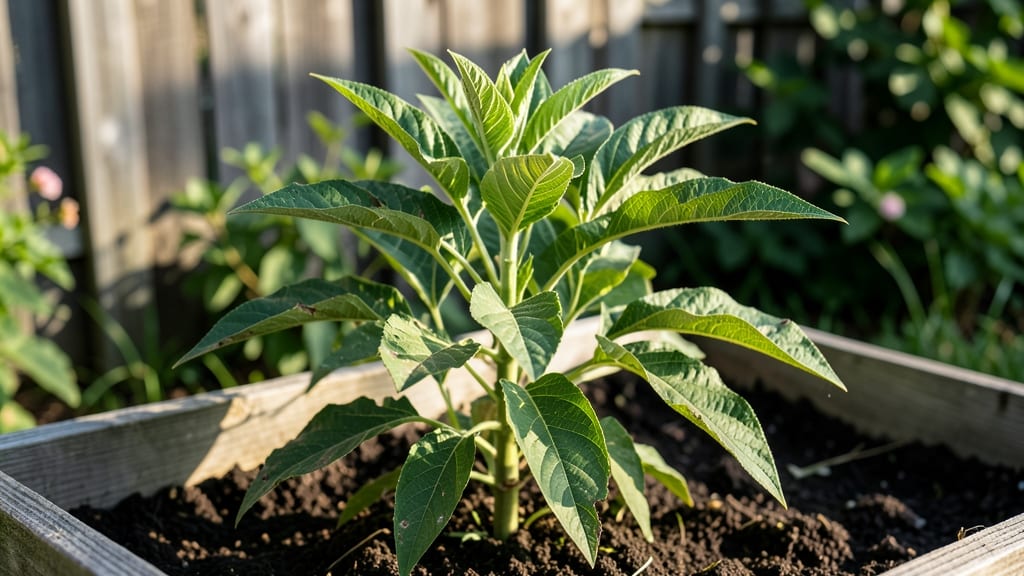
Milkweed is important to monarch butterflies because it serves as their sole food source, providing essential nutrients like cardiac glycosides that protect caterpillars from predators and support their development. Without milkweed, monarchs cannot survive or reproduce.
This dependency isn't just about food—it's a survival strategy. 🌿 Milkweed leaves contain cardiac glycosides, a natural toxin that makes monarch caterpillars unpalatable to predators like birds. These same compounds also help monarchs store energy efficiently during their dramatic metamorphosis.
Interestingly, monarchs have evolved resistance to these toxins, allowing them to thrive where other species would perish. Planting native milkweed varieties in your garden can make a real difference for these declining populations by providing critical habitat during their migration.
What's fascinating is how this relationship has shaped monarch behavior. Female butterflies can detect milkweed from up to 3 miles away using scent cues, ensuring they lay eggs only on this specific plant. This precision is vital because caterpillars will only eat milkweed—they won't survive on any other plant.
The decline in milkweed populations due to habitat loss and herbicide use has directly contributed to the 80% drop in monarch numbers over the past two decades.
💡 In This Article
- The Science Behind Monarchs’ Milkweed Dependency
- How to Grow Milkweed for Monarch Conservation
The science behind monarchs’ milkweed dependency
Monarch caterpillars have evolved an extraordinary relationship with milkweed that hinges on a single chemical family: cardiac glycosides. These compounds, found in milkweed's milky sap, act like a built-in defense system. When consumed, they make the caterpillars toxic to predators—birds often avoid them after just one unpleasant encounter.
The caterpillars' bright yellow, black, and white stripes serve as a visual warning: "I'm toxic, don't eat me!" This chemical protection is so effective that some predators even develop learned aversions to monarchs' taste after their first bad experience.
The magic doesn't stop there—these same toxins actually benefit the caterpillars. Studies show that cardiac glycosides help monarchs store energy more efficiently during their rapid growth phase.
A single milkweed leaf contains enough nutrients for a caterpillar to grow from a tiny egg to a 2-inch-long larva in just 2 weeks. Without milkweed, caterpillars would starve or grow too slowly to survive.
The plant's leaves also contain high levels of water and nitrogen, which are crucial for their development. 🌱 What's remarkable is how monarchs have developed resistance to these very toxins that would kill most other animals.
This dependency isn't just about survival—it's about reproduction. Female monarchs have an incredible ability to detect milkweed from up to 3 miles away using specialized scent receptors. They'll fly miles out of their way to find the right species, often returning to the same plants year after year.
This precision is vital because monarch caterpillars are picky eaters—they'll only consume milkweed species in the Asclepias genus, rejecting all others. The plant's latex sap even contains compounds that trigger egg-laying behavior in females.
The evolutionary history behind this relationship is fascinating. Monarchs and milkweed have been locked in a chemical arms race for millions of years. As milkweed developed more potent toxins, monarchs evolved greater resistance.
This co-evolution explains why monarchs can't survive on any other plant—their digestive systems have become specialized to process milkweed's unique chemistry. Even the timing of milkweed's growth cycle aligns perfectly with monarch migration patterns, providing fresh leaves exactly when caterpillars need them most.
What makes this relationship even more critical is how it affects the entire life cycle. The toxins monarchs acquire from milkweed remain in their system even after metamorphosis, making adult butterflies toxic to predators as well. This chemical protection continues throughout their 3,000-mile migration, where they face numerous threats.
The loss of milkweed habitats has directly contributed to the 80% decline in monarch populations over recent decades, as females can't find suitable places to lay their eggs.
This specialized diet isn't just about food—it's a survival strategy that has shaped every aspect of monarch biology. From their bright warning colors to their migration patterns, milkweed influences virtually every part of their lives.
Without it, the entire monarch life cycle would collapse, making milkweed conservation one of the most important steps in protecting these iconic butterflies. 🦋