
Pests and Diseases
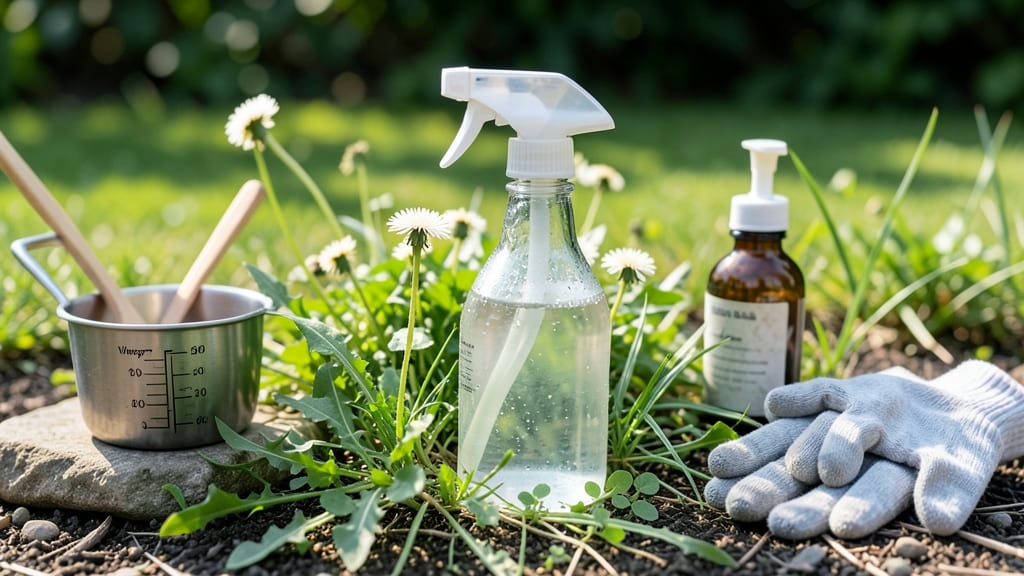
For effective weed control with 20% vinegar, you'll need to mix it 1:1 with water and apply it on clear, dry days when weeds are actively growing—this concentration disrupts their cellular structure for fast results. Always avoid spraying nearby plants to prevent damage.
The key to success with 20% vinegar lies in its acetic acid concentration, which acts like a natural herbicide by breaking down plant cell walls. 🔥 Unlike weaker vinegar solutions, this strength delivers results in as little as 24 hours, especially when applied on sunny days.
I've found that spraying between 9 AM and noon maximizes effectiveness, as the midday sun helps accelerate the vinegar's action. Just remember to use protective gloves and goggles—this potent solution requires careful handling.
When mixing, stick to equal parts vinegar and water to avoid damaging your lawn or garden plants. A simple spray bottle works well for small areas, while larger patches may need a pump sprayer.
For best results, apply directly to the weeds' leaves, avoiding the soil to prevent killing beneficial ground cover. Always test a small area first to ensure safety for your specific plants.
💡 In This Article
- How 20% Vinegar Destroys Weeds at the Cellular Level
- Step-by-Step Guide: Mixing and Spraying 20% Vinegar Safely
How 20% vinegar destroys weeds at the cellular level
At its core, 20% vinegar works as a weed killer because of its 20% acetic acid concentration, which is strong enough to disrupt plant cell membranes. When sprayed on weeds, the acetic acid penetrates the waxy cuticle layer, causing cellular dehydration and protein denaturation.
This process is similar to how salt kills plants by osmosis, but vinegar's acidity accelerates the damage by breaking down the lipid bilayers in cell walls. 🔥 The lower the pH (vinegar typically has a pH of 2-3), the faster this destruction occurs—higher concentrations like 20% work within hours, while 5% household vinegar may take days or weeks.
The key difference between 20% vinegar and weaker solutions lies in their chemical penetration power. Regular white vinegar (5%) contains only about 5% acetic acid, which is too dilute to cause rapid cellular collapse.
At 20%, the acetic acid concentration is four times stronger, allowing it to dissolve the protective cuticle layer more aggressively and reach deeper into plant tissues.
This is why professionals often recommend 20% vinegar for stubborn weeds like dandelions or crabgrass—it doesn't just slow growth; it kills the entire plant structure from root to stem.
Sunlight plays a critical role in accelerating vinegar's effectiveness. When applied during peak sunlight hours (10 AM to 2 PM), the heat causes the vinegar to evaporate more quickly, concentrating the acetic acid on the plant surfaces.
This creates a "hot spot" effect where the acid remains potent longer, enhancing its herbicidal action. In shaded areas, the process slows down significantly, which is why I always recommend treating weeds in sunny spots first.
The combination of acidity and UV exposure essentially "cooks" the plant cells from the outside in, leading to rapid wilting and death within 24-48 hours.
For comparison, consider how baking soda (sodium bicarbonate) works as a weed killer—it raises the soil pH, creating an alkaline environment that stresses plants. Vinegar does the opposite by creating an acidic environment that directly attacks cellular structures.
This dual-action approach (acidity + heat) is what makes 20% vinegar so effective against broadleaf weeds, which are particularly vulnerable to membrane disruption. Even grassy weeds like nutsedge will show visible damage within hours of application, though they may require multiple treatments for complete eradication.
One important nuance is that vinegar's effectiveness varies by plant type. Succulents and thick-leaved plants (like kudzu) have more resilient cell walls, so they may require repeated applications. Conversely, delicate weeds like chickweed or clover collapse almost instantly.
This is why targeted application—spraying only the weeds and avoiding desirable plants—is crucial. The acetic acid doesn't discriminate; it will damage any green tissue it touches, which is why protective gear and careful aim are essential.
What most people don't realize is that vinegar's herbicidal power comes with a trade-off: it doesn't leave any residual soil treatment. Unlike synthetic herbicides that can persist in the soil, vinegar's effects are immediate but temporary.
This makes it ideal for spot treatment but less effective for preventing future weed growth. For long-term control, combining vinegar with a pre-emergent barrier (like corn gluten meal) can create a two-pronged defense system that disrupts both existing and emerging weeds.