
Plants
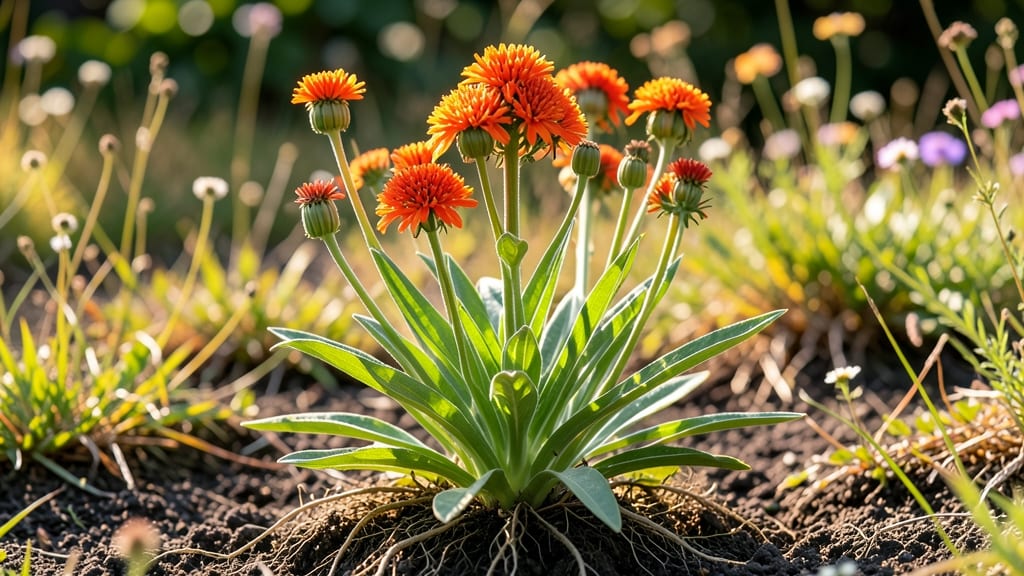
Milkweed plants are perennial in most regions, reliably returning each season with proper care—though some varieties may appear dormant in winter before regrowing from their deep root systems. This resilience makes them vital for monarch butterflies, offering year-round food and breeding grounds.
Most milkweed species thrive as perennials thanks to their robust underground systems, which store nutrients and energy for regrowth. 🌱 In colder climates, plants often die back to the ground in winter but resprout vigorously once temperatures rise.
For example, common milkweed (Asclepias syriaca) can survive Zone 3 winters, while butterfly weed (Asclepias tuberosa) prefers warmer zones but still returns annually. This hardiness directly benefits monarchs, which rely on milkweed for both caterpillar food and nectar.
To maximize their perennial potential, focus on well-draining soil and minimal disturbance—milkweed roots can extend up to 6 feet deep. Mulching in late fall helps insulate roots during cold snaps, while avoiding overwatering prevents rot.
Pruning spent flower stalks in late summer encourages new growth before winter. These simple steps ensure your milkweed patch becomes a monarch magnet year after year.
💡 In This Article
- Milkweed Growth Cycles and Climate Adaptations
- Maximizing Milkweed Longevity for Monarch Butterflies
Milkweed growth cycles and climate adaptations
The perennial nature of milkweed stems from its deep, fibrous root system that can extend up to 6 feet underground. These roots store carbohydrates and nutrients during dormancy, allowing the plant to regenerate quickly in spring.
For example, common milkweed (Asclepias syriaca) develops a thick taproot that survives -30°F temperatures, making it hardy in USDA Zones 3-9. The roots also produce new shoots from lateral buds, ensuring regrowth even if the above-ground foliage freezes back. 🌱
Regional variations play a crucial role in milkweed's survival strategies. Butterfly weed (Asclepias tuberosa), native to warmer climates (Zones 4-10), enters a semi-dormant state in winter but relies on its deep roots to withstand dry conditions.
Meanwhile, swamp milkweed (Asclepias incarnata) thrives in wetter environments (Zones 3-9) by developing aerial roots that help it adapt to seasonal flooding. These adaptations explain why milkweed persists across diverse ecosystems—from prairie grasslands to riverbanks.
The winter dieback phenomenon occurs when temperatures drop below 20°F, triggering the plant to shed leaves and stems. However, the roots remain active beneath the soil surface, continuing to absorb moisture and prepare for spring.
This process is similar to how peony roots survive winter—both plants use stored energy to fuel rapid regrowth when conditions improve. The timing of regrowth varies by species, with common milkweed often emerging by early May in northern climates.
Soil conditions significantly influence milkweed's perennial success. Plants in well-draining, slightly alkaline soils (pH 6.5-7.5) establish stronger root systems than those in waterlogged or acidic soils.
For instance, Asclepias syriaca in heavy clay soils may struggle to regrow annually due to poor drainage, while the same species thrives in loamy garden beds. This explains why some gardeners report milkweed "dying" in their first winter—often a sign of improper soil preparation rather than inherent weakness.
What most gardeners overlook is how milkweed's growth cycle aligns with monarch butterfly migration patterns. The plant's early spring regrowth coincides with monarchs' arrival in northern regions, providing immediate food sources. In contrast, species like Asclepias tuberosa bloom later (June-July), supporting monarchs during their breeding season.
This temporal synchronization is why maintaining diverse milkweed species creates a continuous food supply for migrating butterflies.
Advanced gardeners can extend milkweed's lifespan by practicing stratification—a process where seeds are exposed to cold, moist conditions to break dormancy. For example, soaking Asclepias tuberosa seeds in water for 24 hours followed by 60-90 days at 35-40°F mimics natural winter conditions, resulting in faster and more reliable regrowth.
This technique is particularly useful for establishing milkweed in colder microclimates where germination might otherwise fail. ✨