
Plants
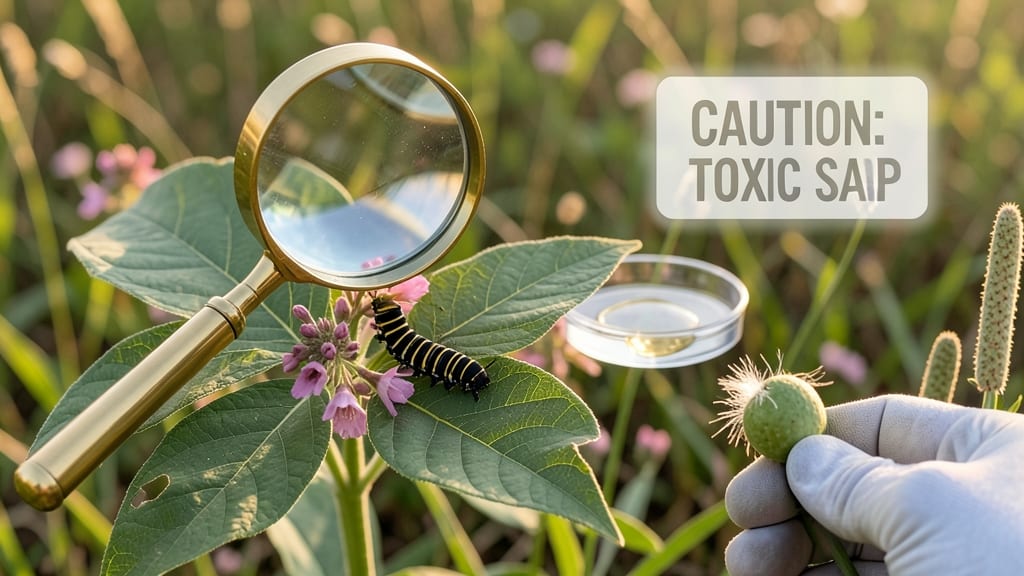
Milkweed plants are poisonous to humans and pets due to cardiac glycosides like ouabain, causing nausea, vomiting, or irregular heartbeat if ingested. However, they’re essential for monarch butterflies and safe when handled with gloves and kept away from children and livestock.
Milkweed's toxicity comes from its natural defenses—cardiac glycosides disrupt heart rhythms in mammals, while monarch caterpillars evolved to process these compounds. 🌿 The latex sap can also irritate skin, so gardeners should wear gloves when pruning.
That said, milkweed's ecological value as a monarch host plant often outweighs the risks when planted responsibly, away from high-traffic areas or livestock grazing zones.
For pet owners, the key is strategic placement—choose varieties with thicker leaves (like Asclepias tuberosa) that pets are less likely to chew, and pair milkweed with strong-scented companions like lavender or rosemary. If ingestion occurs, contact a vet immediately, as symptoms can escalate quickly.
💡 In This Article
- Toxic Compounds in Milkweed: How They Affect Humans and Animals
- Safely Growing Milkweed in Gardens: Handling and Precautions
Toxic compounds in milkweed: how they affect humans and animals
Milkweed's toxicity stems from two primary chemical defenses: cardiac glycosides (like ouabain and uscharin) and its milky latex sap. These compounds evolved to deter herbivores, but their effects vary wildly across species. In mammals, cardiac glycosides bind to sodium-potassium pumps in heart cells, disrupting electrical signals that regulate heartbeat rhythms.
Just 0.1-0.5 grams of dried milkweed leaves can cause symptoms in dogs, while humans might need 10-20 grams to experience mild poisoning.
The latex sap contains additional irritants like resins and alkaloids that cause skin rashes or blisters upon contact—similar to poison ivy's reaction. However, monarch butterflies thrive on milkweed because their digestive systems metabolize cardiac glycosides into allomones, chemicals that make them toxic to predators like birds.
This evolutionary arms race explains why monarch caterpillars can eat milkweed leaves voraciously while other insects avoid them entirely. 🌿 The key difference lies in liver enzymes: mammals lack the specialized P450 cytochrome enzymes that monarchs use to detoxify these compounds.
Symptoms of milkweed poisoning in humans typically appear within 6-12 hours and include nausea, abdominal pain, and irregular heartbeat. Severe cases can lead to arrhythmias or cardiac arrest, though fatalities are rare with prompt treatment.
Livestock like goats and horses are particularly vulnerable because they graze on low-growing plants. Interestingly, some birds (like goldfinches) eat milkweed seeds without harm, as their digestive systems process the toxins differently than mammals.
What makes milkweed uniquely dangerous is how its toxicity varies by plant part and species. The seeds contain the highest concentration of cardiac glycosides (up to 1.5% dry weight), while leaves have moderate levels.
Roots are generally safer but still require caution. This variability means gardeners must treat all parts as potentially hazardous—especially when pruning or composting plant debris, where concentrated toxins can accumulate.
Monarch butterflies' ability to process milkweed toxins highlights nature's complexity. Their caterpillars store cardiac glycosides in their bodies, making them unpalatable to predators like spiders and birds. This mutualistic relationship creates a paradox: milkweed is both a deadly plant to most animals and a lifeline for monarchs.
The plant's bitter taste and toxic compounds serve as a built-in defense system that only monarchs have cracked through evolutionary adaptation. 🦋
For pet owners, the risk isn't just ingestion—even chewing on leaves can introduce toxins through saliva. Small dogs are particularly susceptible because their body weight-to-toxin ratio makes even small amounts dangerous. The good news?
Milkweed's strong scent often deters curious pets, but supervision remains critical, especially during flowering when plants are most palatable. Understanding these chemical interactions helps explain why milkweed's ecological role as a monarch host plant is so vital despite its dangers.