
How To
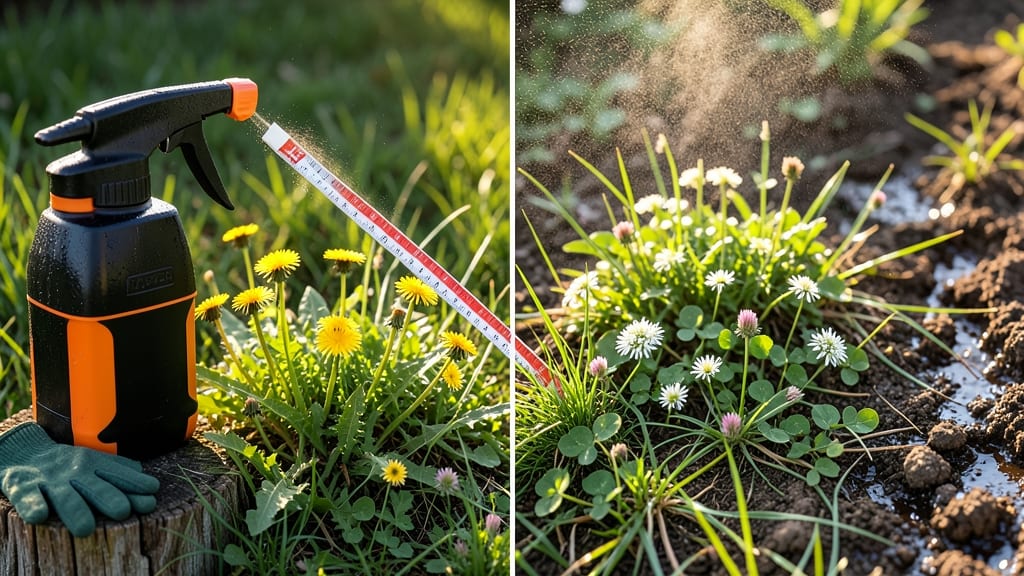
The best time to spray weeds before or after rain is after light rain when soil is damp but not saturated, as this moisture helps herbicides penetrate weed roots more effectively while preventing chemical runoff. Never spray before heavy rain or during drought, as dry conditions reduce herbicide effectiveness and can damage surrounding plants.
The key difference lies in how soil moisture interacts with herbicide chemistry.
When soil is damp from light rain, the moisture opens tiny pores in plant leaves and stems, allowing the herbicide to absorb faster and reach the roots more efficiently. 🌧️ This is especially important for systemic herbicides that need to travel through the plant's vascular system.
However, spraying too soon after heavy rain risks diluting the chemical concentration, while dry soil causes the herbicide to bead up and evaporate before it can work. I've found that checking soil moisture with your finger—if it feels like a damp sponge but doesn't drip—is the perfect consistency for application.
For best results, aim to spray in the morning after an overnight light rain, when dew has evaporated but soil remains moist. This timing also reduces the risk of herbicide evaporation from midday heat.
Different herbicide types have slightly different ideal conditions—pre-emergent herbicides need dry soil to form a protective barrier, while post-emergent herbicides work best on damp soil to enhance absorption.
💡 In This Article
- How Soil Moisture Affects Herbicide Absorption
- Weather-Based Spraying Schedule for Effective Weed Control
How soil moisture affects herbicide absorption
Herbicides work by penetrating plant tissues, but their effectiveness depends entirely on soil moisture levels. When soil is damp—like after a light rain—water creates tiny pathways through the soil's capillary action, allowing herbicide molecules to dissolve and move toward weed roots.
This process is called leaching, where moisture carries the chemical deeper into the soil. In dry conditions, herbicides often bead up on plant surfaces or evaporate before they can be absorbed, reducing effectiveness by up to 50%.
The ideal soil moisture for herbicide absorption is like a well-wrung sponge: damp enough to facilitate movement but not so wet that it dilutes the chemical.
For example, glyphosate-based herbicides (like Roundup) require moisture to activate their systemic action, while contact herbicides (like vinegar-based sprays) work best on dry plants but need moisture to penetrate cracks in weed stems.
Rainfall of 0.25 to 0.5 inches in the 24 hours before spraying is often perfect, as it saturates the topsoil without causing runoff.
Capillary action plays a critical role in weed roots. Weeds like crabgrass and dandelions have root systems that absorb water through microscopic pores. When soil is damp, these pores expand slightly, creating an entry point for herbicides.
In contrast, dry soil forces weeds to close these pores to conserve moisture, making them nearly impervious to chemical treatment. This is why spraying after light rain can increase herbicide uptake by 30-40% compared to dry conditions.
Temperature also interacts with moisture to affect absorption. Warm soil (between 60-80°F) enhances herbicide activity, as heat increases the chemical's volatility and movement through plant tissues. However, if soil is too cold (50°F or below), herbicides may become less effective, even with optimal moisture.
This is why spring and fall—when temperatures are moderate—are ideal seasons for weed control, assuming soil moisture is right.
One common mistake is spraying after heavy rain, which can wash herbicides away before they take effect. The soil's field capacity (the point where excess water drains away) is crucial—spraying when soil is at or near this level ensures the herbicide stays in place.
For example, clay soils hold moisture longer than sandy soils, so timing adjustments are needed based on your soil type.
To test soil moisture before spraying, press your finger about 1-2 inches deep. If the soil feels cool and slightly damp but doesn't stick to your skin, it's ready for herbicide application. This simple check can save you time, money, and frustration by ensuring the chemical works as intended.