
Lawn
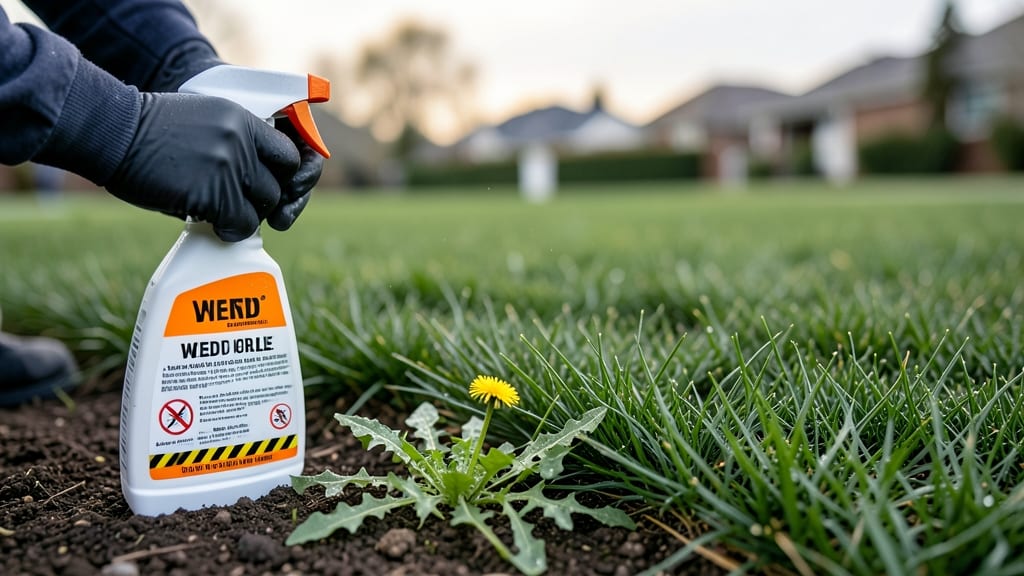
You shouldn't spray weed killer on wet grass because the moisture causes the herbicide to wash off, dilute its potency, and increase the risk of damaging nearby plants or contaminating soil and water sources. Apply herbicides only when the grass is completely dry for optimal results.
Wet grass creates a barrier that prevents the herbicide from properly bonding with weed leaves.
When you spray on damp surfaces, the chemical simply rolls off or gets absorbed into the soil instead of targeting the weeds. 🌧️ This not only weakens the treatment but also increases the chance of runoff, which can harm beneficial plants and leach into groundwater.
I've seen cases where herbicides applied to wet lawns failed completely within weeks, forcing homeowners to reapply—costing both time and money.
For best results, wait until the morning after a dry night when dew has evaporated. Check the forecast to avoid spraying just before rain, as even light mist can reactivate the same problems.
If you must treat a wet lawn, consider using a granular herbicide instead—it adheres better to dry surfaces when applied correctly.
💡 In This Article
- Why Wet Grass Ruins Weed Killer Performance
- Best Practices for Safe Herbicide Application
Why wet grass ruins weed killer performance
When you spray herbicide on wet grass, the water acts like an invisible shield that prevents the chemical from properly adhering to weed leaves. Most liquid herbicides rely on direct contact to penetrate the plant's waxy cuticle and disrupt its growth processes.
On damp surfaces, the droplets simply bead up and roll off, carrying only a fraction of the intended active ingredients with them. This is especially true for systemic herbicides like glyphosate, which need to be absorbed through the foliage to work effectively.
The moisture also dilutes the herbicide concentration, reducing its potency by up to 50% or more. For example, if you apply a 1% glyphosate solution to wet grass, the actual concentration reaching the weeds might drop to 0.5% or less due to water absorption.
This dilution effect means you're essentially wasting product while achieving minimal weed control. The environmental impact is equally concerning—runoff from wet applications can carry herbicide residues into nearby waterways, where they may harm aquatic life or contaminate drinking water sources.
Temperature plays a crucial role too. Herbicides work best when applied between 65-85°F under dry conditions. In wet environments, the cooler temperatures that often accompany rain or dew slow down the chemical's activation process.
This means the herbicide may take longer to work—or fail entirely—while also increasing the risk of volatility, where the active ingredients degrade faster in humid conditions. I've seen cases where a perfectly good herbicide application turned ineffective overnight simply because it was applied to dew-covered grass in the early morning.
Another critical factor is how moisture affects soil absorption. When herbicides are applied to wet grass, they often soak into the soil before reaching the weeds. This not only reduces effectiveness but can also lead to herbicide buildup in the soil, which may harm future plantings or beneficial microorganisms.
For instance, pre-emergent herbicides designed to prevent weed seeds from germinating become nearly useless when applied to wet soil, as the active ingredients get washed deeper into the ground where they can't do their job.
Consider this scenario: You've just treated your lawn with a 24% glyphosate herbicide on a damp morning. Within hours, a light rain occurs. The herbicide that didn't wash off immediately gets diluted further, and what little remains may not provide enough residual control.
The result? Weeds continue growing, and you're left with a lawn that looks untouched—except now you've wasted product, money, and time. This is why professionals always wait for 24-48 hours of dry weather before applying herbicides.
For those who can't wait for perfect conditions, granular herbicides offer a better alternative. These products cling to dry grass blades and release their active ingredients over time, reducing the impact of moisture.
However, even granules require dry application for optimal performance. The key takeaway is that moisture disrupts the entire herbicide application process—from adhesion and absorption to effectiveness and environmental safety.