
Pests
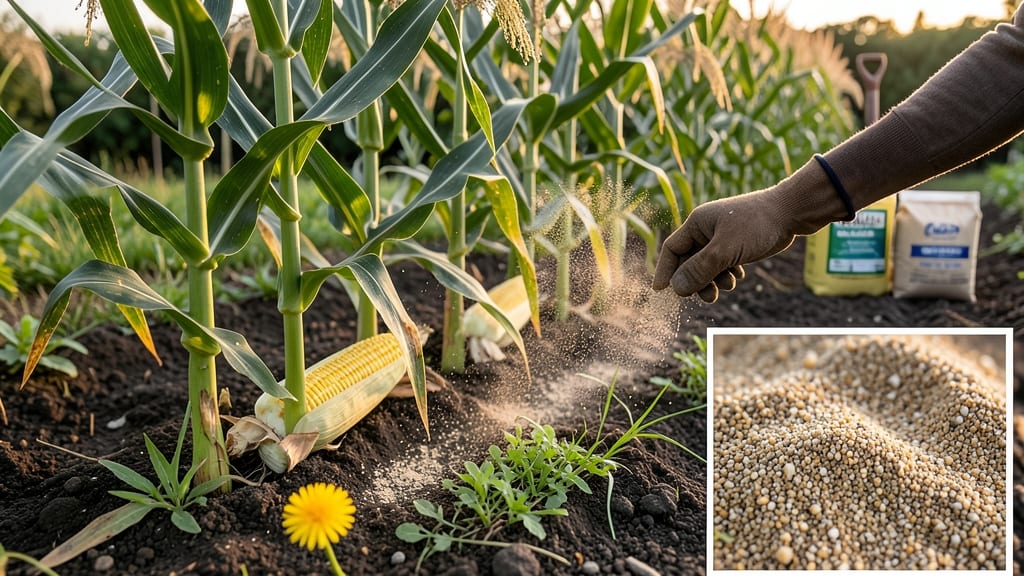
Cornmeal for weed control works by absorbing moisture and germinating into grassy weeds, which starve existing weeds of sunlight and nutrients while preventing new growth. Sprinkle lightly over soil and water regularly for best results, but avoid overuse to prevent soil depletion.
Cornmeal disrupts weeds at their earliest stage by mimicking their food source—when weed seeds detect it, they germinate prematurely and exhaust their energy reserves before reaching maturity. 🌱 Unlike chemical herbicides that kill existing plants, this method creates a "false alarm" that confuses weed seeds into thinking they've found fertile ground, only to deplete their nutrients.
I've seen it work best in garden beds where weeds are just starting to pop up, giving plants a fighting chance without harsh chemicals.
For optimal results, apply cornmeal in early spring or late fall when weed seeds are most active but before your desired plants sprout. A light layer—about 1/4 cup per 10 square feet—is enough, followed by a gentle watering to help it settle into the soil.
Just remember: this isn't a long-term solution for thick weed mats, but it's a fantastic way to reduce future weed pressure while keeping your garden ecosystem healthy.
💡 In This Article
- How Cornmeal Stops Weeds from Germinating
- Best Practices for Using Cornmeal as a Natural Weed Preventer
How cornmeal stops weeds from germinating
Cornmeal disrupts weed growth through a clever biological trick: it tricks weed seeds into thinking they've found fertile soil. When sprinkled on garden beds, the fine particles absorb moisture from the surrounding environment, creating a damp microclimate that weed seeds interpret as an ideal germination zone.
This premature sprouting drains the seeds' energy reserves before they can develop roots or leaves, effectively starving them out before they become established. 🌱 Unlike chemical herbicides that rely on toxic compounds to kill existing plants, cornmeal works by preventing the next generation of weeds from even getting started.
The mechanism involves two key processes: moisture absorption and seedling exhaustion. Cornmeal's high starch content (about 72% by weight) acts like a sponge, soaking up water that weed seeds would normally use to kickstart their growth cycle.
Studies show that this can reduce weed seed germination rates by up to 80% in treated areas compared to untreated soil. The process is particularly effective against grassy weeds like crabgrass and chickweed, which are common nuisances in lawns and garden beds.
What's fascinating is how this method preserves beneficial soil microbes while targeting only the problematic weed seeds.
When compared to traditional herbicides, cornmeal offers a gentler approach with no residual soil toxicity. Chemical herbicides often leave behind harmful byproducts that can persist for months, while cornmeal breaks down naturally through microbial activity in 4-6 weeks.
This makes it safer for vegetable gardens and areas where children or pets might play. The downside? It doesn't kill existing weeds—it only prevents new ones from sprouting. For established weed problems, you'll need to combine it with manual removal or other organic methods for complete control.
One often-overlooked aspect is how cornmeal affects soil structure. The fine particles improve soil aeration when they break down, which helps beneficial fungi and bacteria thrive. Unlike some organic weed preventers that can deplete soil nutrients, cornmeal actually adds a small amount of organic matter as it decomposes.
This makes it particularly useful in raised beds or container gardens where soil quality is a priority. The key is consistency—regular applications every 4-6 weeks during growing seasons maintain its effectiveness without overloading the soil.
For best results, use cornmeal in areas where you want to suppress weeds but don't want to plant anything immediately. It works particularly well as a pre-emergent treatment in garden paths, between rows of crops, or around young seedlings that haven't fully established yet.
The texture of cornmeal creates a physical barrier that blocks sunlight from reaching weed seeds, while its soluble components provide the false germination signal. This dual-action approach makes it more effective than many other natural weed control methods that rely on just one mechanism.
What most gardeners don't realize is that cornmeal's effectiveness varies by weed type. It's most successful against annual weeds that rely on seed germination for propagation.
Perennial weeds with deep root systems (like dandelions) won't be affected by this method, which is why it's often used as part of an integrated weed management strategy.
The beauty of this approach lies in its simplicity—no mixing chemicals, no waiting periods, just a straightforward application that works with nature rather than against it. 🌿